
Last updated November 25, 2026
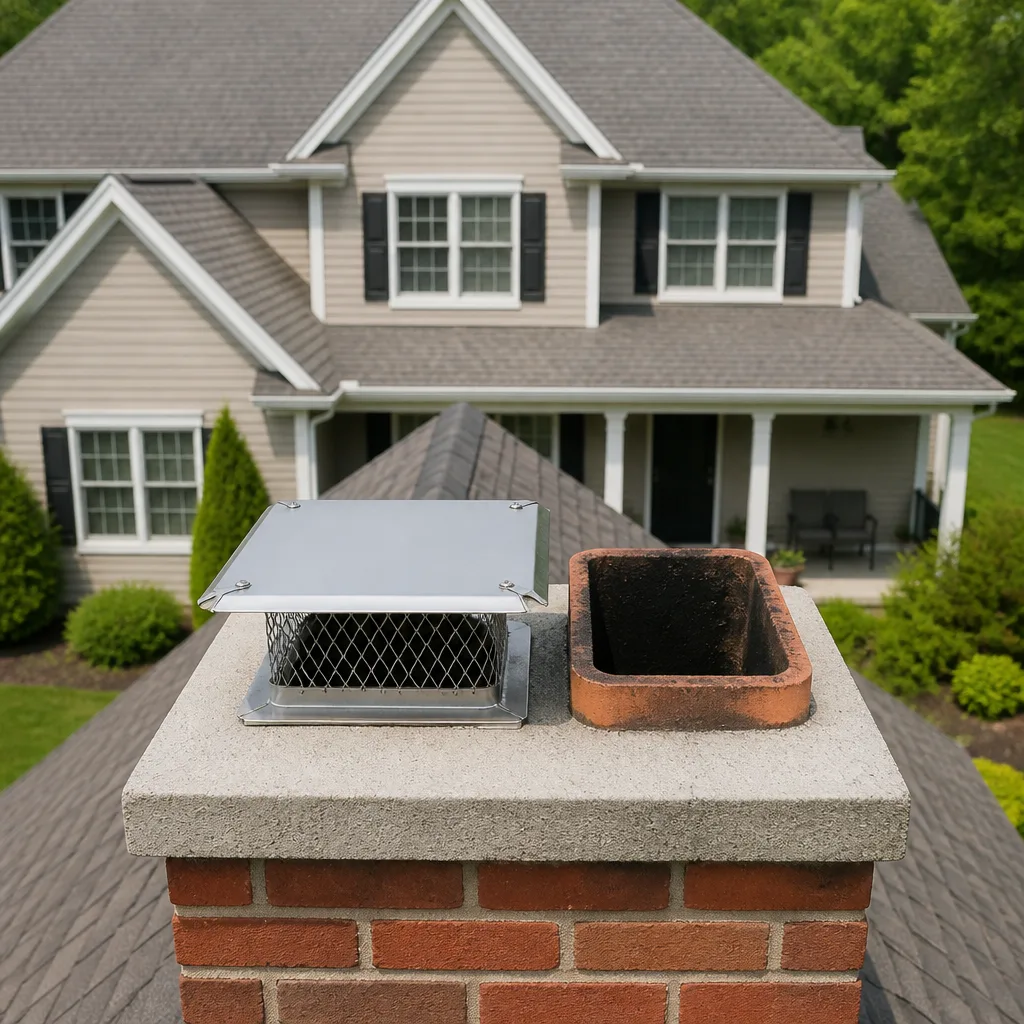 Sweep & inspection
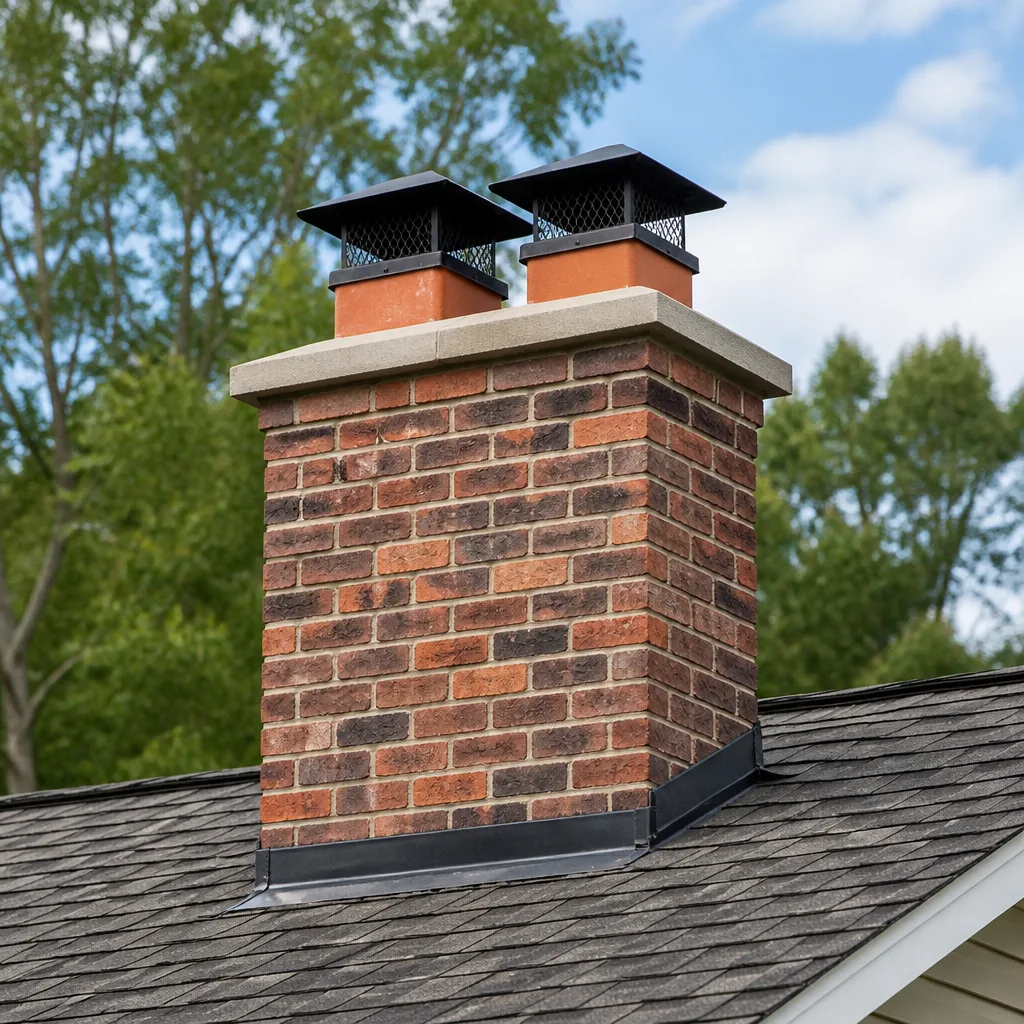 Caps & crowns
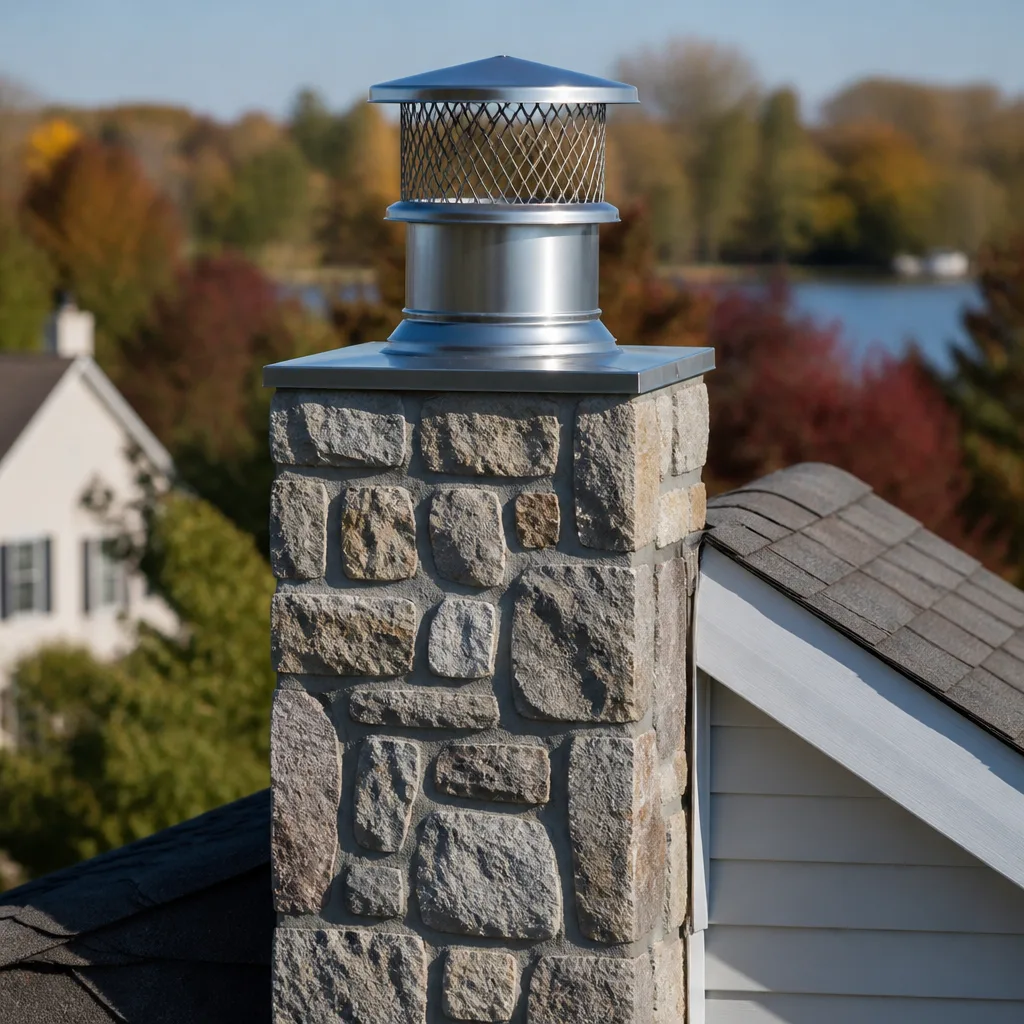 Flue relining
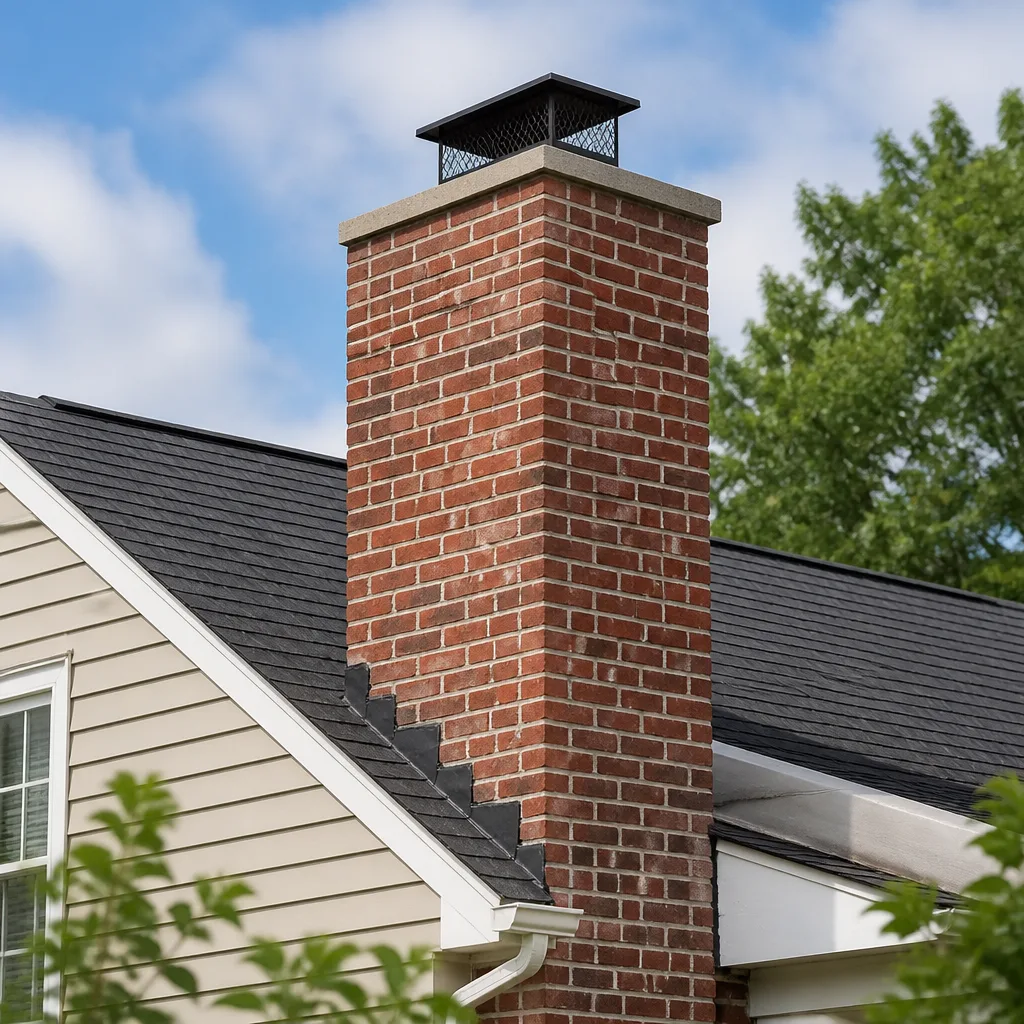 Masonry repair
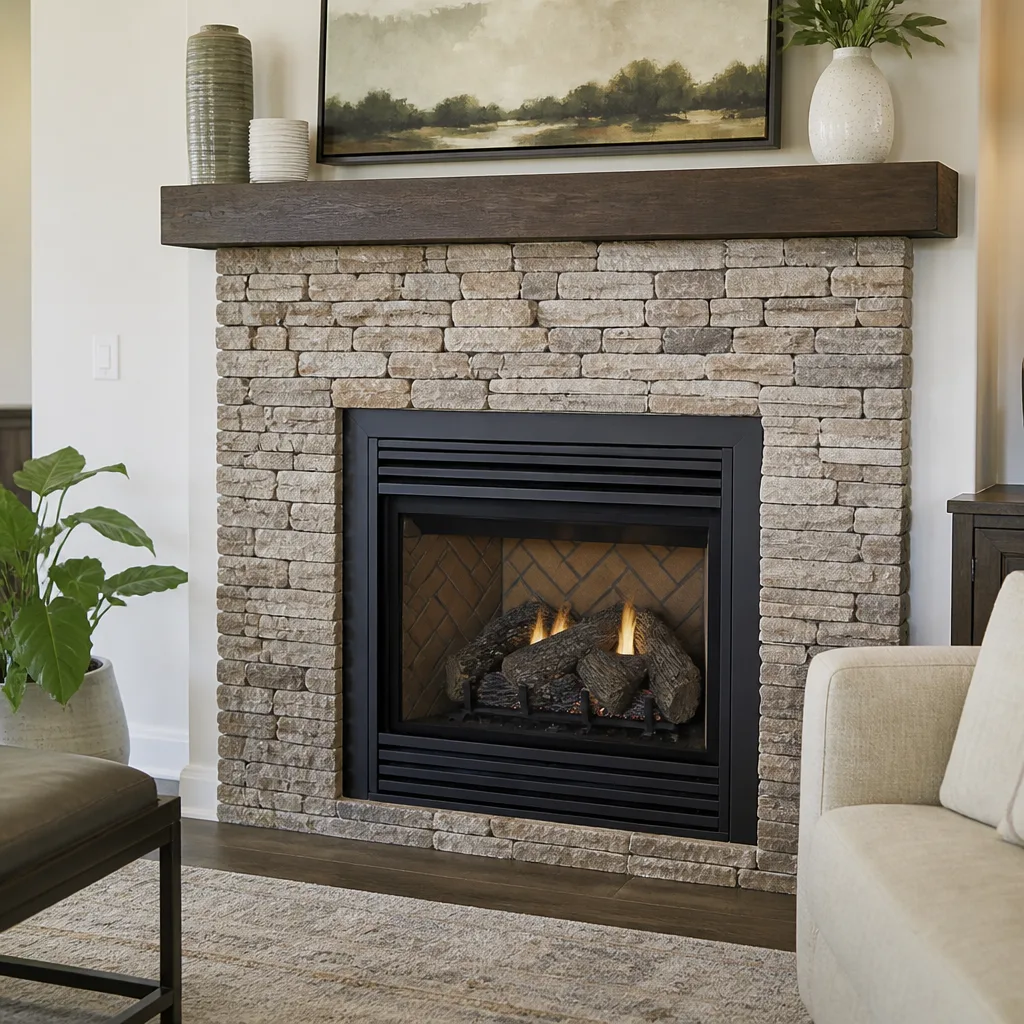 Gas fireplace service
Level 1 sweep and inspection to the NFPA 211 annual standard - flue, crown, cap, and flashing checked and photographed
Chimney sweep logs do not sweep chimneys. They loosen some creosote - which then falls where a brush and vacuum still have to collect it.
Chimney Sweep Maintenance Checklist for Charlestown Homeowners
Most chimney maintenance checklists you’ll find online are ten generic items with no calendar attached. They tell you to “inspect the cap” without saying that here the cap inspection matters most in the week after a nor’easter rolls through, when a chase cover that was fine in October starts rattling against the flue. That timing gap is why homeowners miss failures until water is already inside the chimney. This guide is built the other way around: what goes wrong in Charlestown, when it goes wrong, and which of those things you can safely check from the ground. We’ll cover the task calendar, what to look at after a storm, and how logging what you see makes every future sweep smarter.
Quick Answer
A homeowner’s chimney maintenance in Charlestown should run on a yearly sweep and inspection plus a short post-storm visual check of the cap, crown, and flashing. Ground-level checks happen monthly and after major storms; the flue cleaning and full inspection need a trained sweep on the roof. Log what you observe with dates, and the pattern across visits tells your sweep more than any single observation.
Styles & brands we work with
- Sweep & inspection
- Caps & crowns
- Flue relining
- Masonry repair
- Gas fireplace service
Table of Contents
- Why a Generic Checklist Fails Charlestown Homes
- The Charlestown Maintenance Calendar, Month by Month
- What You Can Safely Check From the Ground vs. What Needs a Sweep
- Post-Storm Cap and Chase Cover Protocol
- What Failing Caps and Covers Actually Look Like
- How to Log Your Observations So They’re Actually Useful
- What Happens at the Annual Sweep and Inspection
- When a Checklist Item Turns Into a Repair
Why a Generic Checklist Fails Charlestown Homes
The stock advice – sweep once a year, call if something looks wrong – assumes a fairly forgiving climate and a fairly simple chimney. Charlestown gives you neither. The housing stock here is dominated by older masonry chimneys in tightly packed blocks, many with tall exterior chases where the chimney sits fully exposed on a gable end. Those chimneys take wind load and driven rain at the top that an interior chimney never sees. The result: cap, crown, and flashing failures show up here sooner than the flue-lining problems people read about.
Then there’s the wind. Nor’easters and the strong frontal systems that come through don’t just drop rain, they drive it sideways at wind speeds that lift and loosen a chase cover that has been quietly working itself free for two seasons. A cover that was seated in September can be sitting ajar in November, and once it is, water has a straight path into the flue. That’s the failure most homeowners never see coming.
One more thing the generic list doesn’t account for: the sequence matters. If your chimney sweep cleans the flue in October and you notice a loose cover in February, the two observations are being made months apart by two different people. A dated log ties those together. Your sweep sees the trend; you see the result.
Charlestown’s dense streets and shared walls also mean a chimney issue is rarely just one house’s problem. A failed flashing on a party wall can push water toward a neighbor’s brick, and a cap that’s been down for a winter is usually visible from the sidewalk before it’s visible from the living room. Keeping your chimney sound is a maintenance habit and a small gesture of neighborliness.
The Charlestown Maintenance Calendar, Month by Month
Timing in Charlestown follows the weather, which means the calendar is anchored to heating season and the storms around it. Here’s how we’d lay out a year of chimney care for a working fireplace or wood stove.
- September: Book your annual sweep and inspection before heating season starts. This is when problems get found with time to fix them, not the week you want a fire.
- October: Get the sweep done. First fires bring a rush of calls; the earlier you’re in the queue, the easier it is. Ground-level look at the cap and crown.
- November through February: Heating season. Monthly ground checks of the cap, crown, and flashing. Log any change: a new crack, a missing cap, a piece sitting off-center.
- March: Late-winter check. This is when the freeze-thaw wear of the season shows up on crowns and the mortar at the chimney top.
- April through June: Schedule non-urgent repairs – crown work, cap replacement, masonry repointing – so the work is done in mild weather and the chimney is sound before the next fall.
- July and August: Off-season is the cheapest window for scheduling, since most homeowners have taken their eyes off the chimney. Also the time to fix anything your spring inspection flagged.
- Year-round, after any significant storm: The post-storm protocol below. Cape Ann, the November gales, the February nor’easters – each gets the same short inspection.
If you only remember one item on this list, remember that first entry. A Charlestown chimney that gets its annual sweep and inspection in September enters heating season with a clean flue, a checked cap, and a documented baseline for the year ahead. Everything else on the calendar is easier once that baseline exists.
What You Can Safely Check From the Ground vs. What Needs a Sweep
This is where most checklists overreach. A homeowner standing on a ladder with a flashlight is not doing a chimney inspection and shouldn’t try. There’s a clear line between what’s safe and useful from ground level and what needs a trained technician on the roof.
Safe from the ground
- The cap and cover: is it there, is it sitting straight, are there obvious holes, cracks, or loose pieces?
- The crown: the concrete top around the flue. Look for visible cracks or pieces of concrete in the ground below the chimney.
- The flashing at the roofline: does the metal around the chimney base look lifted, discolored, or separated?
- The chimney shell itself: any change in shape, obvious spalling on the visible brick, or vegetation growing between bricks.
- Interior signs: any new staining on the ceiling or wall near the chimney, or rust on a damper or firebox grate after a storm.
All of these can be checked from a window, the sidewalk, or the bottom of the yard with binoculars. Take a photo each time you look, and you’ll have something to compare against.
Requires a credentialed sweep on the roof
- Full flue inspection from top to bottom, including the smoke chamber and any offset.
- The condition of the liner – visible only from the flue or with a camera. A deteriorated flue liner is a fire risk, which is why this isn’t a see-for-yourself task.
- Creosote deposits. Sweeping and measuring the buildup that produces chimney fires belongs to trained work.
- Crown and cap work at height. Even a small repair is height work, and falls do more damage than a failing chimney ever will.
Post-Storm Cap and Chase Cover Protocol
Charlestown’s coastal position doesn’t get much attention in chimney guides, but the weather absolutely shapes chimney failure – and after a major storm, this is where the checklist earns its keep. Chase cover and cap failures that show up weeks later almost always trace back to a known nor’easter, which means the pattern is visible if you look in the right week.
Here’s the sequence we’d run after any significant wind event, whether it’s a nor’easter, a tropical remnant, or just a strong frontal system.
- Wait until conditions are calm. Don’t go up on a roof in the weather. Look from the ground.
- Check the cap first. Is it still seated? Any part missing? Any piece tilted or hanging? A cap that’s moved is a direct opening into the flue, so this comes first.
- Look at the chase cover if you have one. Chase covers on exterior chimneys take the full wind load. Look for it lifted, warped, or sitting uneven. See below for how a failing cover actually looks.
- Look for wind-borne debris. Limbs, shingles, and branches that landed on the roof can damage a chimney cap or the crown even if the chimney itself looks fine.
- Check interior for water. Staining near the chimney, rusty damper, damp firebox. If the cap was down during rain, water came in.
- Log the observation with the date.
Call for a professional inspection immediately if any of the following is true after a storm: the cap is visibly off its base, the chase cover is lifted or missing, the crown has new pieces broken off, there’s staining inside the house near the chimney, or you can see daylight or feel a draft coming down the flue that wasn’t there before. Any of those means the chimney’s weather protection is compromised and needs to be seen by a trained technician, not deferred to next season.
What Failing Caps and Covers Actually Look Like
A chimney cap does a lot with very little material. It needs to vent smoke up and away while keeping rain, animals, and debris out. When a cap fails, it usually fails at a specific point – the seam where the top meets the mesh, the legs where it’s anchored to the flue, or a weld on the band. Knowing whether your cap is stainless or galvanized tells you what stage of failure you’re looking at, and when to expect it.
- Stainless steel caps: These hold up longest, especially on a chimney exposed to coastal weather, and when they do fail it’s usually mechanical – a weld that cracked under wind load, a leg that pulled loose, mesh that got bent. If you went with a stainless product from a maker like Olympia Chimney or Copperfield, a mechanical failure is what you’d look for; the steel itself will still look like steel.
- Galvanized caps: These fail by rusting. You’ll see rust-colored streaking down the cap, flaking on the mesh, and eventual holes in the top. Once it’s rusted through, it’s a replace-not-repair situation. A rusted-through galvanized cap is not doing the job it exists for.
- Chase covers: These fail at the seams and the bends. Look for spider-webbing cracks in the finish, paint flaking and rust starting underneath, and the cover sitting uneven. A warped chase cover is a water path straight into the flue.
When it’s time to replace, the material matters more than the price difference. We specify professional-grade caps from makers like Famco and Olympia Chimney, because a galvanized substitute will be back on the same roof with the same rust within a few seasons. Contractor-grade materials, properly installed, is a cheaper conversation over ten years than buying twice.
How to Log Your Observations So They’re Actually Useful
Most homeowners keep no chimney records at all, which is fine if nothing ever changes and unfortunate if something is slowly going wrong. A basic log turns scattered glances into a pattern, and a pattern is what tells your sweep whether a crack is stable or growing.
- Start with the sweep date and inspection findings. Write down what your sweep found: cap condition, crown condition, amount of creosote, anything flagged for next time.
- Add every ground-level check with a date. Even “checked cap, no change, 12/3” is a useful entry. The dates are the point.
- Photograph the same angle every time. Stand in the same spot in the yard, frame the same chimney, and take the photo. Now you have a comparison, not just a picture.
- Note weather events. Write down that a nor’easter came through, then check the day after. This is how you catch the storm-only failures that don’t show up on calm days.
- Note anything you saw inside. A damp smell, a stain that appeared, a draft that started. All of it gives your sweep more to work with.
- Bring the log to the annual sweep. Hand it over. A build-up pattern across two or three years is more valuable than any single observation on inspection day.
This is a five-minute habit, and it’s the difference between finding a problem while it’s still small and finding it after water has been inside the flue for a season. Your future self – and your sweep – will thank you.
What Happens at the Annual Sweep and Inspection
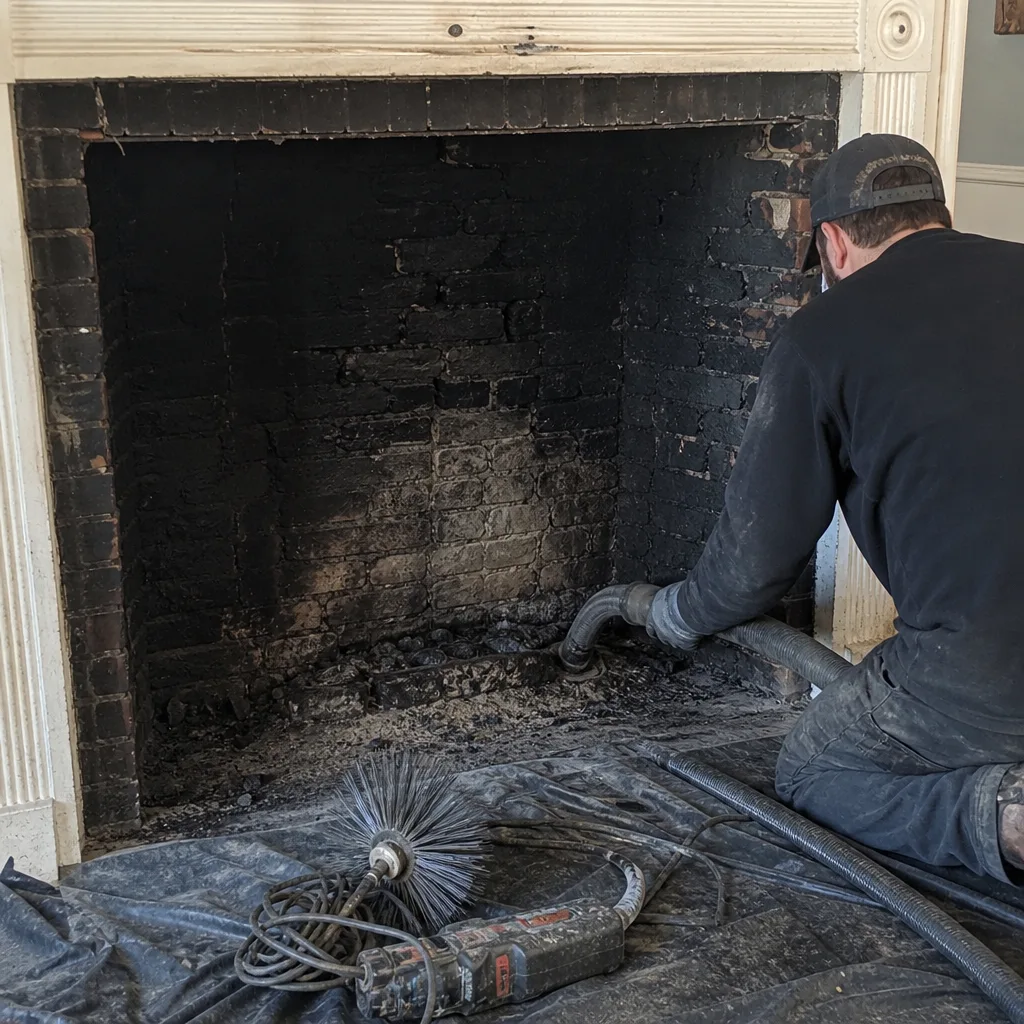
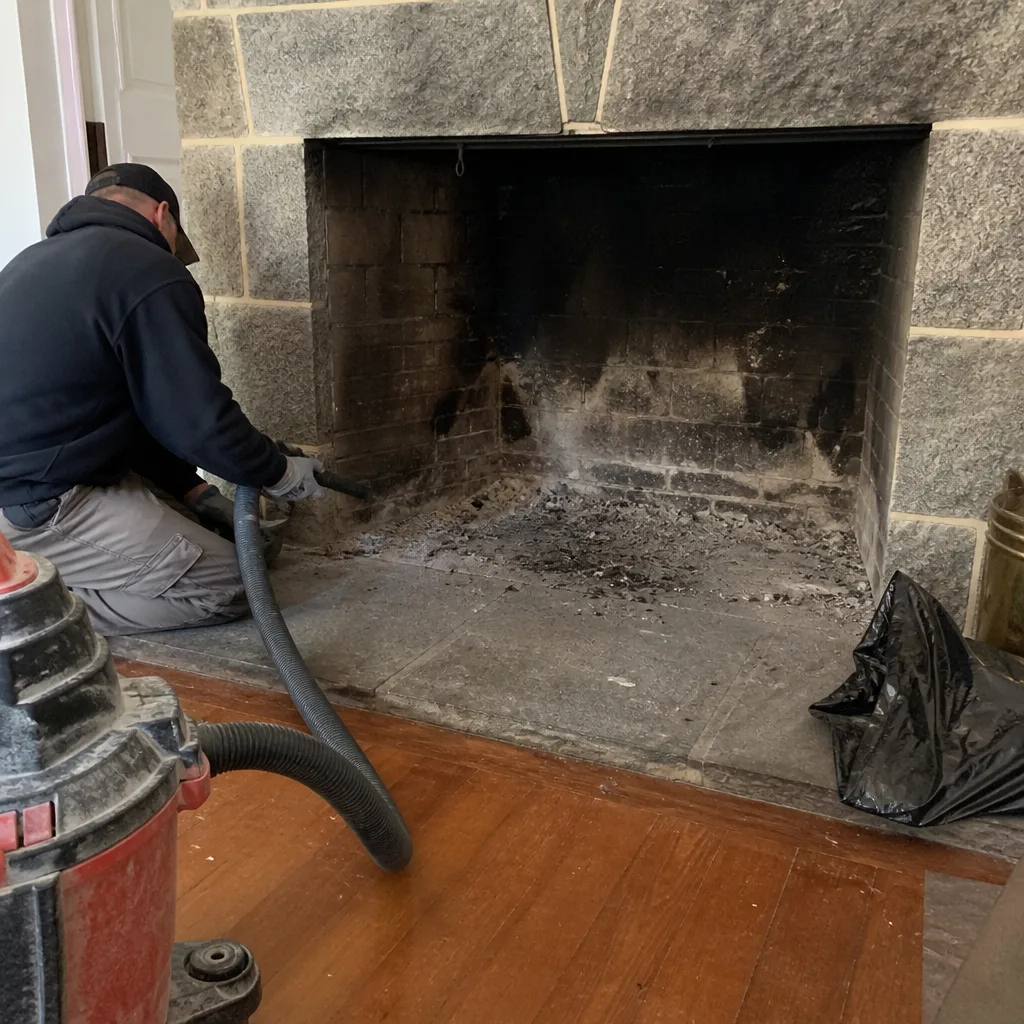
An annual chimney sweep in Charlestown is the foundation of the whole schedule, and it’s worth knowing what a proper visit actually involves so you can recognize one. A chimney sweep visit starts with protecting the work area, then cleaning the firebox, damper, smoke chamber, and flue with the right brushes for your liner. A good sweep doesn’t just clean; they check. While they’re in the chimney they’re looking at the liner condition, any creosote buildup, the damper operation, and the cap and crown above.
Then comes the inspection, and this is where a proper specialist separates from a general handyman. An inspection should tell you what’s wrong and what it costs to fix it – we do both on the same visit. That’s why we keep both on the same phone call. If your flue inspection turns up a deteriorated liner, you don’t want a referral to a second contractor; you want a quote. That’s the whole reason Chimney Sweep Charlestown handles sweep, inspection, cap and crown, fireplace repair, and full chimney repair in one visit cycle.
For long-term care, the sweep is also your baseline. Every year’s findings become the reference point for the next. If your sweep notes a hairline crack in the crown this October, next spring’s check will tell you whether it’s grown. That’s how a maintenance habit turns into early detection. There’s a related read for homeowners dealing with chimney cap & crown problems in between annual visits.
When a Checklist Item Turns Into a Repair
Some checklist items are just observations. Others cross a line into “call now” territory when they turn into a repair. Here’s how to tell.
- Crown cracks: A hairline crack is a monitoring item. A crack that’s widening, or pieces of crown material showing up on the ground, is a repair. Cracks let water into the masonry behind the chimney shell, and once it’s wet inside, freeze-thaw seasons do the rest.
- Flashing issues: Lifted or separated flashing means water has a direct path down the chimney chase. This is a repair, not a monitor.
- Cap damage: Rusted-through, warped, or off its base – replace the cap. A missing cap is an open door to rain, nests, and animals.
- Deteriorated liner: This is the one to take seriously, because a damaged flue liner isn’t just a water problem, it’s a structural and fire-safety problem. Damage here is what rehabilitation products like HeatShield are for: resurfacing a failed liner in place rather than tearing it out. Where a liner is badly corroded, offset, or undersized, a flexible DuraFlex liner handles the full reline. Both are real repair options, not upsells; the difference is a call your sweep makes on inspection day.
- Fireplace issues: A failing damper, cracked firebox brick, or smoke drafting into the room all fall under fireplace repair, and they’re worth fixing before the fireplace gets used again.
A chimney inspection should tell you what’s wrong and what it costs to fix it. If you’re unsure whether a checklist item is urgent or can wait a season, the safe move is a professional look – not a bet that it’s nothing.
Common Mistakes to Avoid
- Skipping the post-storm check. The one that matters most here. Cape Ann and November storms are exactly when a chase cover fails silently, and the damage is done before the next calm look. Look after any major wind event.
- Treating the annual sweep as a chore you’re doing for the flue, not the whole chimney. The sweep is the moment the sweep finds the cap, the crown, and the liner all at once. If you only think of it as “cleaning,” you miss the inspection benefit.
- Buying the cheapest galvanized cap. It’ll rust back to the same condition in a few seasons. The stainless version you should have bought the first time is the one you’re buying next anyway.
- Monitoring a crack for years without recording it. A hairline crack you keep “checking” with a fresh look each time isn’t being checked. It’s being forgotten. Write it down with a date.
- Deferring the crown repair through the winter. Freeze-thaw on a compromised crown is when summer plays catch-up in the masonry. Get it pinned down before the cold.
- Letting a chimney inspection turn into “call us back later” when a repair is already indicated. One company should be able to quote the fix on the same visit. If your sweep needs to refer you out, you’re talking to the wrong one.
- Waiting for the first cold week to schedule. October is when the phone line lights up. The homeowner who scheduled in September isn’t the one who can’t get an appointment.
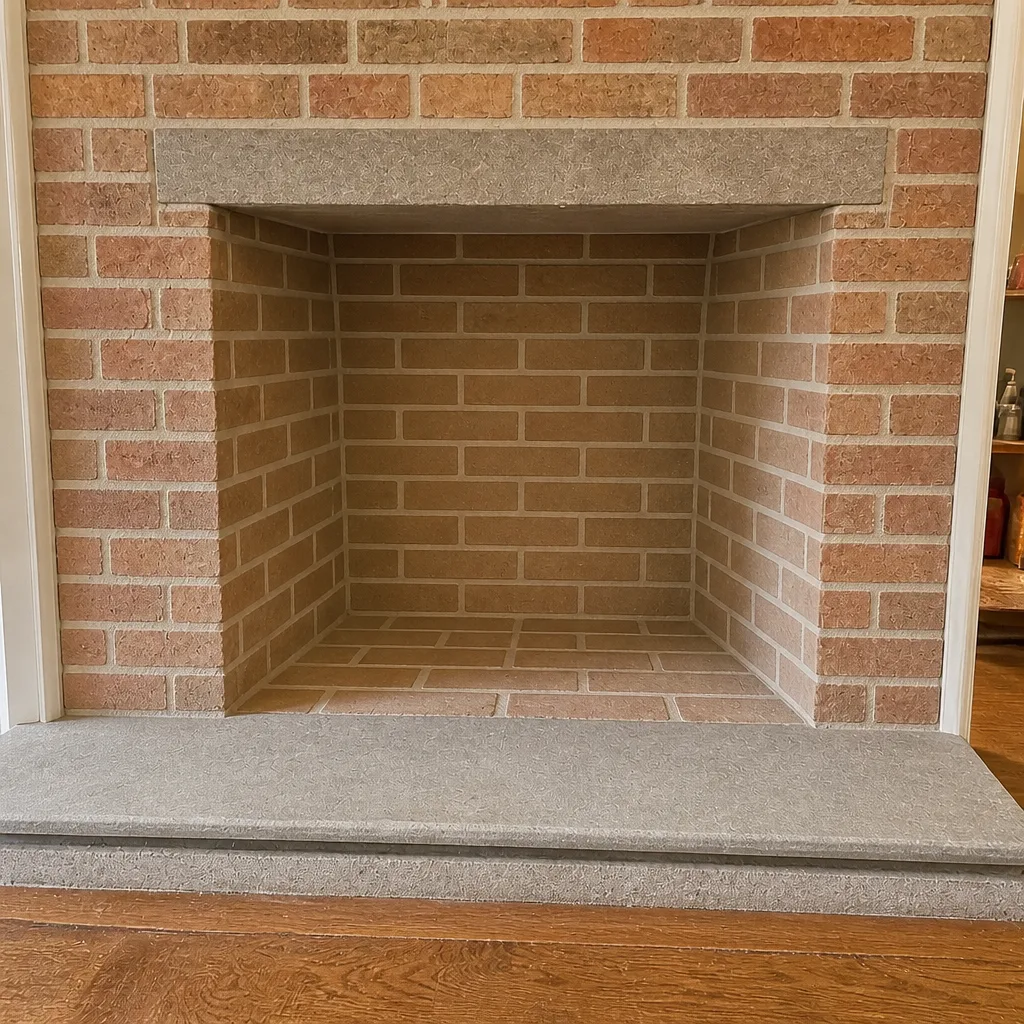
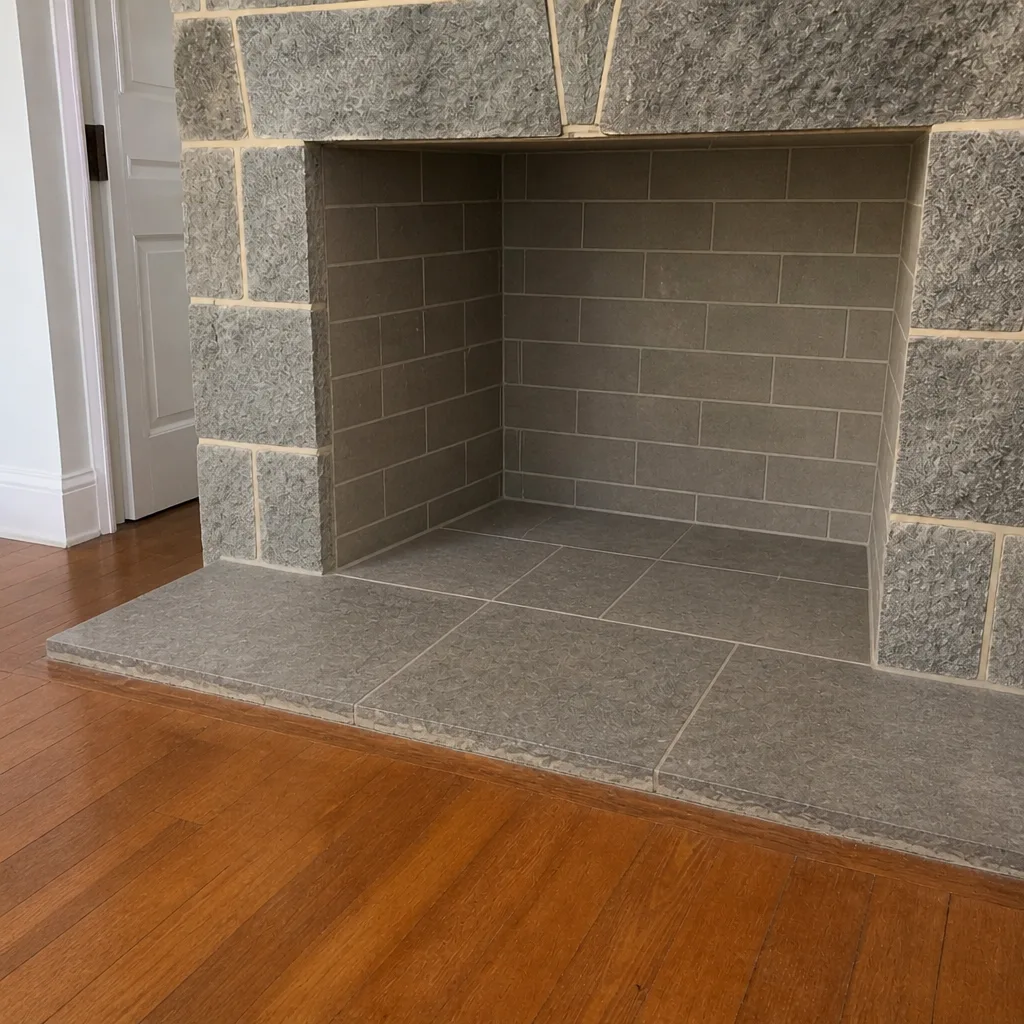
See the difference
 Before
 After
 Before
 After
 Before
 After
When to Call a Professional
Call a professional sweep if any of these apply: your flue hasn’t been cleaned in the past year and gets regular use; a storm knocked the cap off or left the chase cover sitting uneven; you’ve seen new staining, a draft, or rust on the damper inside the house; you’ve noticed pieces of concrete or brick on the ground near the chimney; or your annual inspection is simply due. Anything to do with the flue liner, the smoke chamber, or the top of the chimney is a trained-technician job – a flue liner failure is a fire and carbon monoxide concern, not a DIY project. Chimney Sweep Charlestown offers free estimates in Charlestown – call (877) 792-6155. We answer 24/7. Fast dispatch from 7am to 7pm, Sunday through Friday. Our technicians have up to 13 years of experience.
Frequently Asked Questions
Once a year for a fireplace with regular use, and more often if you burn a lot of wood or notice a heavy creosote build-up. The annual sweep doubles as an inspection, so it also catches caps, crowns, and liners before they become repairs. Call (877) 792-6155 to get on the schedule.
Start with the cap and chase cover: is the cap still seated and the cover sitting flat and even? Look for new cracks in the crown and any staining inside the house near the chimney. If the cap is off its base or the cover is lifted, that’s a call to a professional, not a wait-and-see. We answer 24/7 at (877) 792-6155.
Creosote builds up in the flue and loses its ability to vent safely, and small cap or crown failures go unnoticed until water gets in behind the masonry. A chimney that skips a season usually costs more to put right the next one. Get an inspection quote – estimates are free at (877) 792-6155.
A liner needs replacing only when the inspection shows it’s damaged, corroded, got an offset, or is undersized for the appliance – and a good sweep can photograph and show you the reason. Where it’s resurfacing rather than a full tear-out, a HeatShield application may be the right fix; where the liner is badly compromised, a DuraFlex reline is. Either way, you should see the evidence, not just be told. Call (877) 792-6155 for a clear answer on your chimney.
No. A ground-level look at the cap, crown, and flashing is safe and worth doing; the flue interior and the crown and cap work require a trained technician – falls from height cause serious injury, and a flue liner can’t be properly assessed without a camera. Keep your checks to the ground and let a sweep do the rest.
Stainless stays silver-grey and fails mechanically – a weld cracks, a leg pulls loose, the mesh bends. Galvanized rusts: red-brown streaking on the cap and flaking on the mesh is your sign it’s on the way out. If it’s rusted through, it’s replacement, not repair. Call (877) 792-6155 and we’ll tell you what’s up there.
The Bottom Line
The Charlestown chimney maintenance checklist that actually works has two things the generic list doesn’t: timing anchored to the local weather, and sequence that lets observations build on each other. Get the annual sweep and inspection in September, run monthly and post-storm ground-level checks, log everything with a date, and know which items are monitoring jobs versus repair jobs. That’s a maintenance habit that catches the small stuff before it becomes masonry work. Chimney Sweep Charlestown covers the full spectrum – sweep, inspection, cap and crown, fireplace repair, chimney repair – so a checklist item that turns into a repair gets handled properly by the same team. From annual sweep to full liner replacement, one call covers it. Call (877) 792-6155 for a free estimate. We answer 24/7. Fast dispatch from 7am to 7pm, Sunday through Friday.
Written by the team at Chimney Sweep Charlestown.