
Last updated November 25, 2026
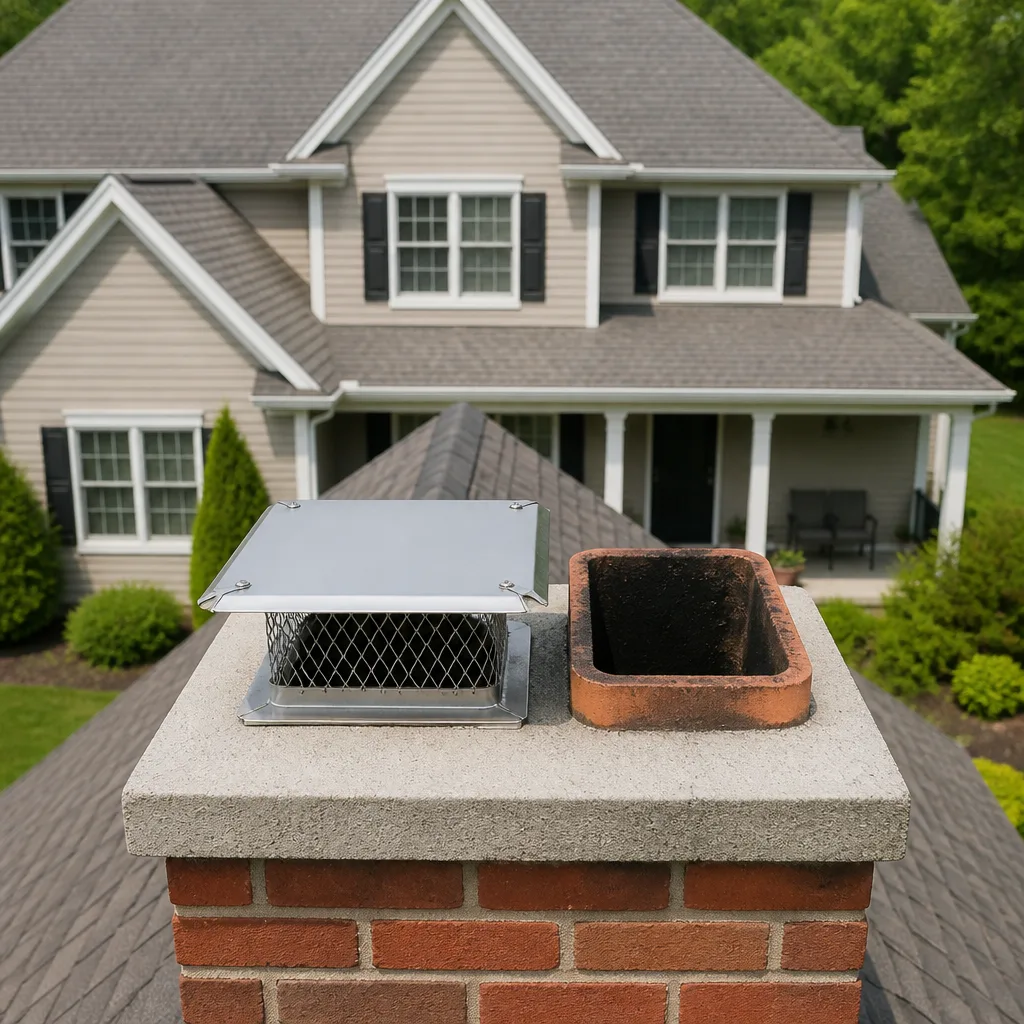 Sweep & inspection
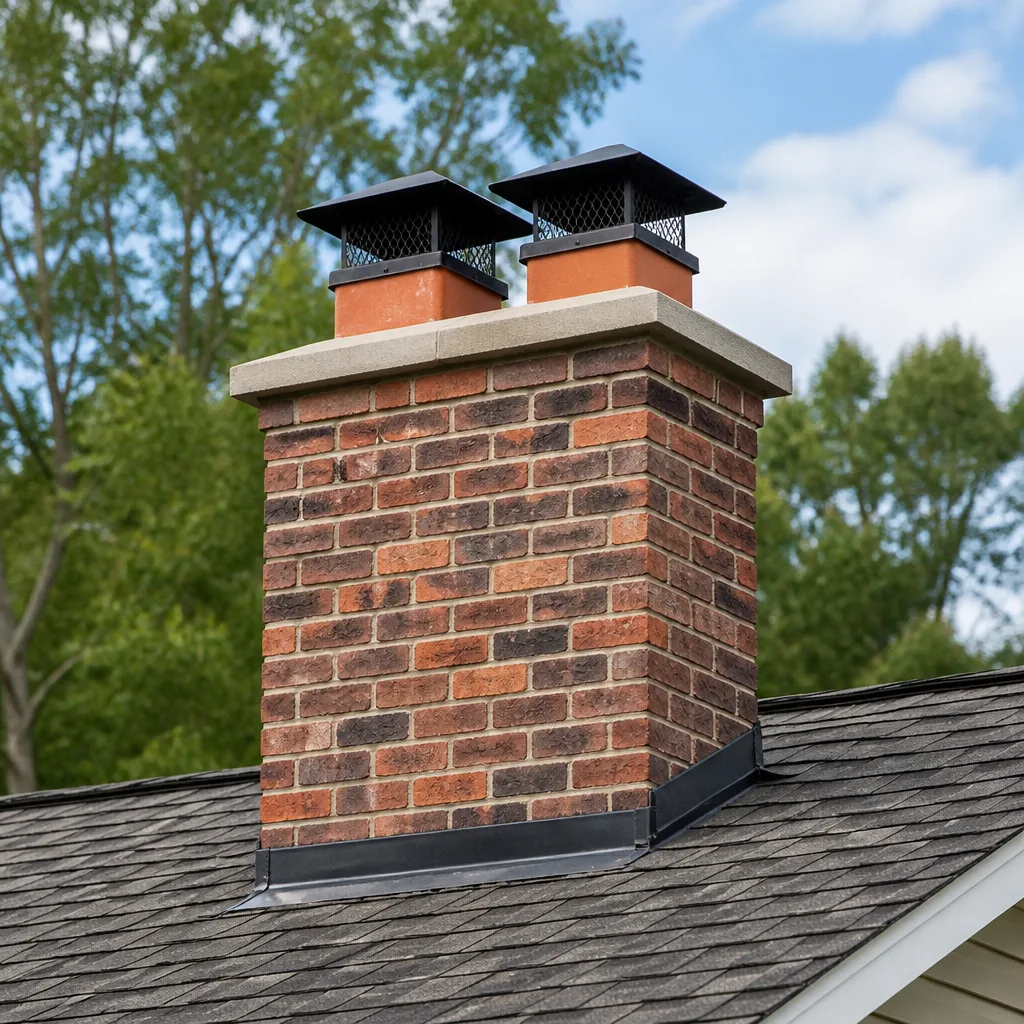 Caps & crowns
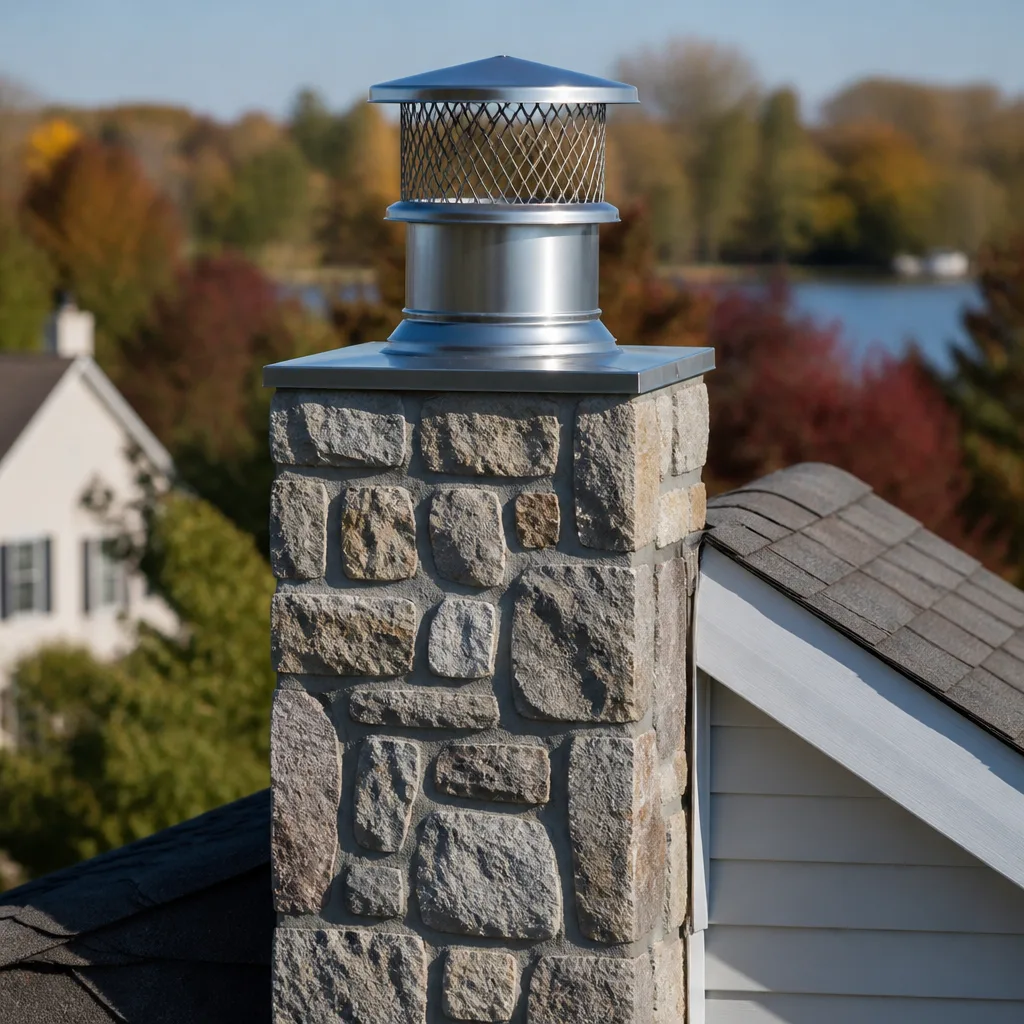 Flue relining
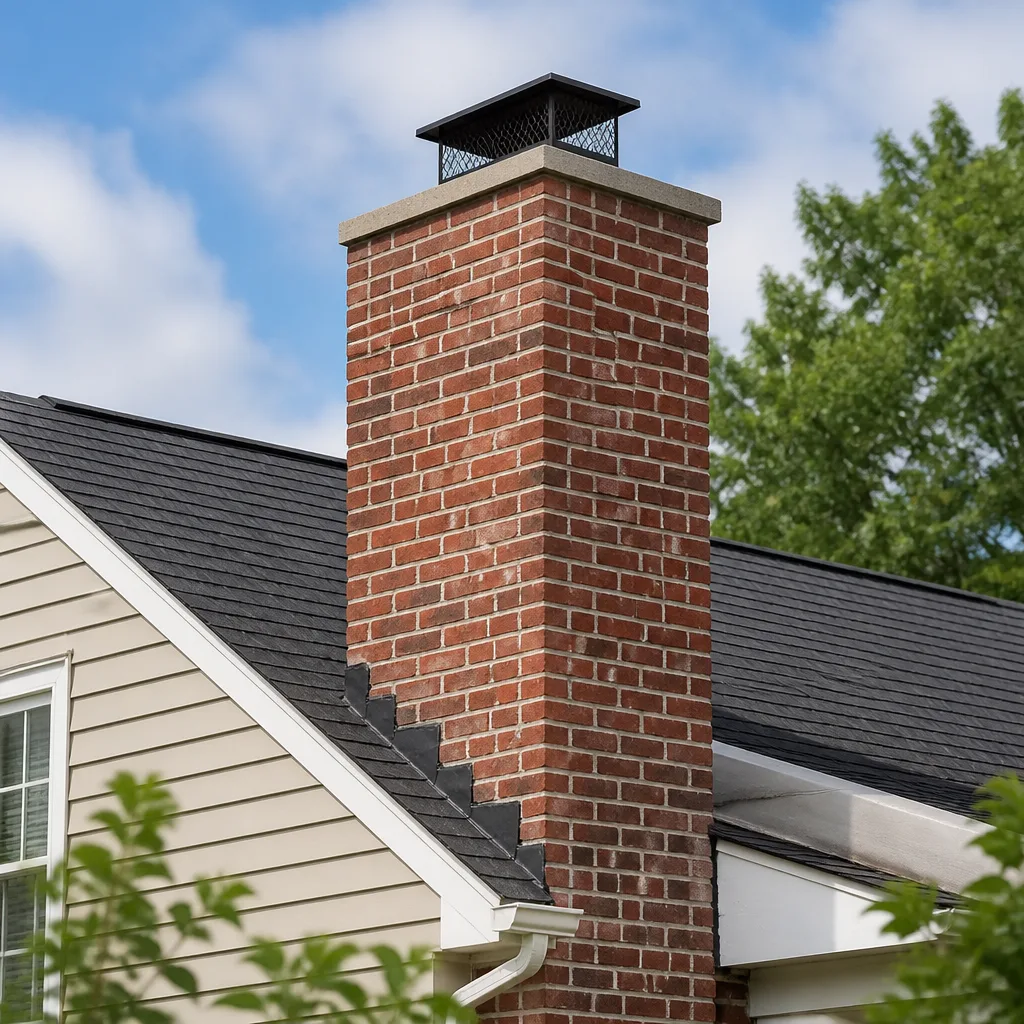 Masonry repair
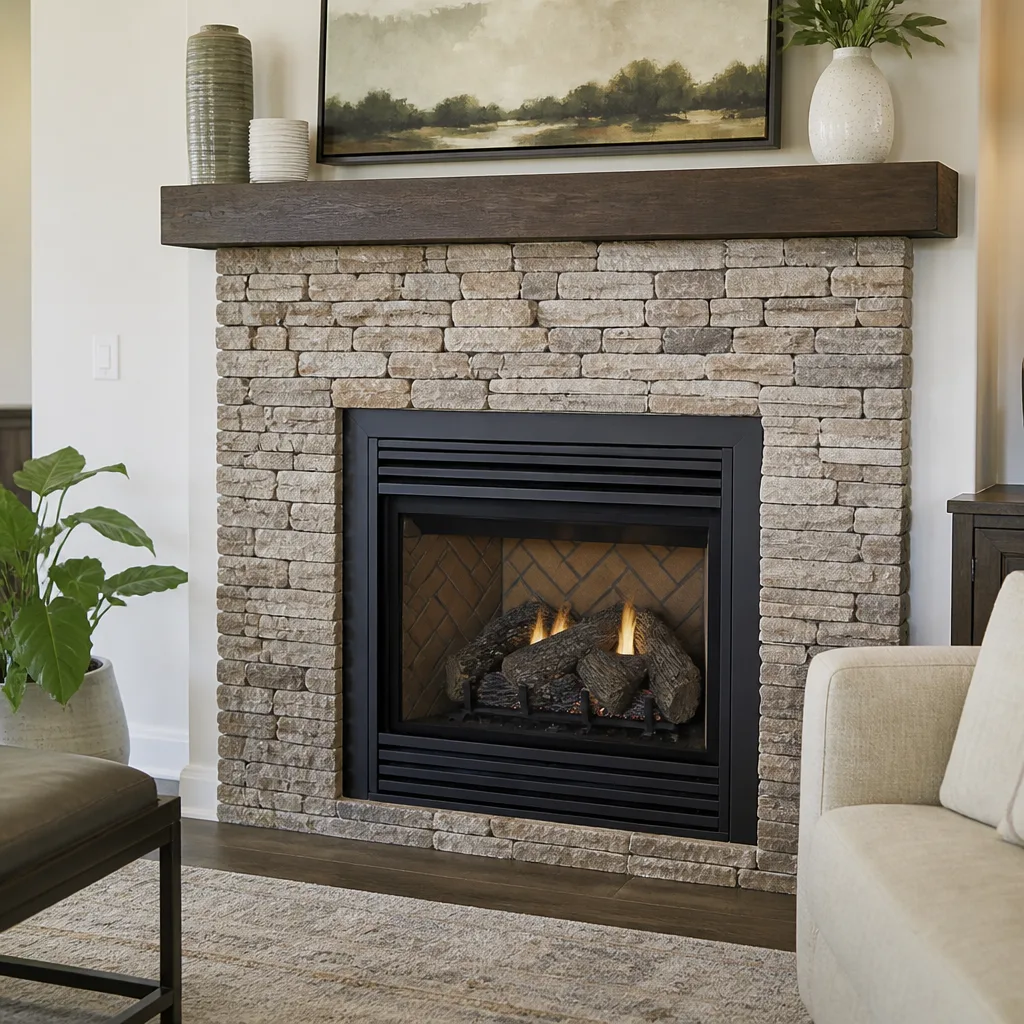 Gas fireplace service
Level 1 sweep and inspection to the NFPA 211 annual standard - flue, crown, cap, and flashing checked and photographed
Chimney sweep logs do not sweep chimneys. They loosen some creosote - which then falls where a brush and vacuum still have to collect it.
Chimney Sweep Troubleshooting in Charlestown: Common Problems and How to Fix Them
If your fireplace drafted fine for years and then quit, the chimney probably isn’t what changed. Your house did. Sealing attic bypasses, swapping old windows, and tightening up a triple-decker are the changes most often behind a sudden smoke problem in Charlestown, because a fire needs air to leave as much as it needs air to burn. A tight house starves the flue. This guide maps each symptom you’re likely to see (smoke spilling into the room, a weak fire, a smell with no fire at all) to the mechanical cause behind it, so you stop paying for the wrong repair. We’ll walk through creosote restriction, height-deficient draft, pressure-driven backdraft, cold exterior flues, and the inspection level each problem actually warrants.
Styles & brands we work with
- Sweep & inspection
- Caps & crowns
- Flue relining
- Masonry repair
- Gas fireplace service
Quick Answer
Most chimney problems in Charlestown are one of three things: a restricted flue from creosote or a blockage, insufficient effective flue height, or negative pressure inside a tightly sealed house fighting the draft. Each has a different fix, and the symptom tells you which one you’re dealing with. A chimney inspection should tell you what’s wrong and what it costs to fix it, and we do both.
Table of Contents
- Why Charlestown rowhouses and triple-deckers draft differently
- The three causes of poor draft and how to tell them apart
- The cold flue problem on exterior brick walls
- Symptom-to-cause decision tree
- Which inspection level your symptom warrants
- Smoke, odor, or both?
- Common mistakes to avoid
- When to call a professional
Why Charlestown rowhouses and triple-deckers draft differently
A freestanding house has four walls of outside air around it. A Charlestown rowhouse has neighbors pressed against both sides, and a triple-decker stacks living units above one another, often sharing a single original chimney chase. That shared construction changes how a fire behaves, and not always in your favor.
Here’s the core mechanic. A chimney works on pressure difference: hot combustion gas is lighter than outside air, so it rises up the flue, and replacement air has to come in from somewhere to feed the fire. In a loose old house, that makeup air leaked in through gaps and gaps everywhere. In a house that’s been weatherized, it can’t, so the chimney pulls against a sealed envelope. The result is a weak fire, a smoky smell, and sometimes smoke that refuses to go up at all.
Charlestown’s dense housing stock makes this worse in a few specific ways:
- Shared and adjacent flues. Your neighbor’s chimney and yours may sit in the same masonry mass. When their fire is running and yours isn’t, pressure dynamics shift between them, and a smoldering fire next door can push odor back through your damper.
- Stack effect across floors. A triple-decker’s height exaggerates the pressure difference between the basement and the top floor. The top unit tends to draw air up through the building, which can starve a lower-unit fireplace, and the reverse happens when somebody opens a door downstairs.
- Exterior end walls. The chimney on an outside brick wall (common at the ends of a rowhouse block) runs cold, which we cover in its own section below.
If you’ve recently insulated or replaced windows and your draft got worse at the same time, that timing is the tell. The fix is often a dedicated combustion air supply or a top-mounted damper, not another cleaning. Our Chimney Sweep Charlestown team sees this pattern repeatedly in tight, modernized units that once drafted perfectly.
The three causes of poor draft and how to tell them apart
Poor draft has three root causes, and confusing them means paying for the wrong repair. Here’s how to distinguish creosote restriction, height-deficient draft, and pressure-driven backdraft using what you can observe.
1. Creosote-restricted draft
The flue is narrowed by soot and creosote buildup, or physically blocked by a nest or debris. The measurable indicators: the fire burns but smokes at startup and clears slowly, the smoke smells sharp, and the problem is worse the longer it’s been since the last cleaning. The fix is a straightforward cleaning, and routine chimney sweep service prevents it from returning. This one responds to cleaning alone.
2. Height-deficient draft
The flue doesn’t extend high enough above the roofline or a nearby obstruction, so wind curls down over it and wins the pressure fight. The indicators: smoke on windy days specifically, a fire that won’t come to full draft, and a history of chronic poor performance that cleaning never fixed. The fix is a proper cap and extension, sized to the flue. Our chimney cap & crown work addresses exactly this.
3. Pressure-driven backdraft
The house is fighting the chimney for air, usually after weatherization or in a tightly sealed unit. The indicators: smoke that appears when another exhaust fan runs, a fire that dies when the dryer or bath fan kicks on, and a house that feels airtight. The fix is a dedicated combustion air supply or a top-mounted damper that seals the flue when not in use.
The key diagnostic is timing. Note exactly when the smoke appears. Cleaning fixed, wind-triggered, or fan-triggered each point to a different cause, and an honest inspection confirms which one before anyone quotes a repair.
The cold flue problem on exterior brick walls
Many Charlestown rowhouse chimneys run up an outside brick end wall, not through the heated interior of the house. That exterior location has a direct consequence: the flue is cold when you start a fire, and a cold flue doesn’t draft. Warm air only rises through a flue that is warmer than the outside air, so the first fire on a cold evening struggles until the mass heats up and the draft establishes.
Homeowners often describe this as “my chimney takes forever to start.” It’s a real mechanical issue, not a personal failing. Signs of a cold-flue problem:
- Smoke puffs at first light but draws once the fire is established.
- Draft is worst on cold days and acceptable on mild ones.
- A cold draft actually falls down the flue when no fire is burning, bringing odor with it.
The practical fix is a top-mounted damper that seals the flue when the fireplace isn’t in use, keeping the flue from continuously cooling and stopping the downdraft of cold air into the room. Some homeowners also warm the flue before lighting (a lit newspaper held near the damper is the old trade method), but a properly fitted top damper solves the underlying problem. Brands like Copperfield and Olympia Chimney have components suited to this kind of retrofitting, and specifying the right one is what prevents a callback.
A properly sealed flue is also a heat-loss fix: an open flue in winter pulls heated room air straight up and out. That’s part of why fireplace repair often starts with the damper.
Symptom-to-cause decision tree
Use this decision tree to narrow down what you’re actually dealing with before you call anyone. It won’t replace an inspection, but it will keep you from paying for the wrong service.
- Odor but no smoke (fire off). Likely glazed creosote, a failing damper seal, or animal intrusion into the flue. A glazed, shiny, hardened creosote layer smells strongly and is a clear stage-3 condition that needs professional removal, not a surface brush. Animal nesting can also cause odor, so an inspection confirms which.
- Smoke but no odor (fire on). Likely a structural blockage or a cap failure. A cracked or missing cap lets debris, rain, and birds into the flue; a structural blockage narrows it. In both cases, cleaning access requires the obstruction handled first.
- Both smoke and odor, on and off. Likely an active stage-2 or stage-3 creosote situation with restriction and glazing together. That’s a genuine cleaning-plus-inspection job.
- Smoke only when exhaust fans run, no smell. Pressure-driven backdraft. Cleaning won’t touch it; you need combustion air or a top damper.
- Smoke only on windy days. Height-deficient draft or a failed cap. A cap and extension are the likely fix.
- A chimney that draws slowly but is otherwise fine. Could be exterior cold-wall behavior. A top damper helps.
Two symptoms that share one cause (smoke plus smell) usually mean a more advanced creosote condition than either alone. Stage-2 creosote, the hard, flaky, crusted kind, and stage-3, the shiny glazed kind, don’t brush out easily; they require proper removal. Don’t assume a quick sweep covers it.
Which inspection level your symptom warrants
Not every symptom needs the same level of inspection. Paying for more than you need is a waste; paying for less can miss a structural problem. The NFPA 211 standard defines three levels, and here’s where each applies.
Level I inspection
This is the routine check that comes with an annual cleaning. It covers the readily accessible portions of the chimney, fireplace, and flue, without moving any part of the structure. Choose a Level I when your system has been running normally, you clean it on schedule, and nothing about the operation has changed. It’s the maintenance baseline, not a diagnostic tool.
Level II inspection
This is the inspection you want the moment a symptom shows up. A Level II includes everything in a Level I plus a full video camera inspection of the internal flue, and it’s required when a property is changing hands, when a liner or appliance has changed, or after an event like a chimney fire. This is what you ask for if you have smoke, odor, a persistent draft problem, or you’ve just bought a Charlestown unit and don’t know its chimney history.
Level III inspection
This is a full diagnostic that may involve moving parts of the building to reach concealed areas. It’s for severe conditions, usually after a known incident, and is rarely the first step.
- Symptom: no problems, routine cleaning due. Level I.
- Symptom: smoke, odor, or a draft change. Level II, with camera.
- Symptom: after a chimney fire or a structural concern. Discuss a Level III.
Our inspections pair the camera findings with a written report and photos, so you see what we see. A trustworthy inspection should tell you what’s wrong and what it costs to fix it, and we do both. If a generalist sweeper only offers a Level I sweep, ask for the camera or expect to be referred out; we can go straight from inspection to a repair quote.
Smoke, odor, or both? What each points to
The presence or absence of smoke versus odor is the sharpest diagnostic clue a homeowner has. Use it.
Odor with no fire, no smoke
Glazed creosote is the most likely culprit. Stage-3 creosote hardens into a shiny, tar-like layer that gives off a strong smell, especially on warm or humid days when airflow up the flue is weakest. A failing damper seal also lets odor rise into the room, and so does animal intrusion. The fix is a cleaning or camera inspection to identify which of these it is.
Smoke with no odor, fire running
This points to restriction: a blocked flue, a failed cap letting in debris, or a structural narrowing. A cracked or displaced cap is common on Charlestown’s older rowhouse stacks. The fix starts with an inspection and flows into cap replacement or structural repair.
Both smoke and odor
This combination suggests an active creosote issue at stage 2 or 3 plus restriction. It’s the pattern that warrants a Level II inspection and a real repair quote, because a routine sweep may not clear glazed creosote fully. The chemistry behind it is worth understanding: creosote forms in three stages, and the hard and glazed forms need proper removal, not a quick brushing. If you’ve had a chimney fire, which can start quietly, treat that as an automatic Level II.
Don’t guess between them with your nose alone. A camera inspection settles it in minutes and tells you which fix (cleaning, cap, combustion air, or liner) the house actually needs.
Common Mistakes to Avoid
- Calling for a cleaning when the real problem is pressure. If a tight house is fighting the flue, another sweep won’t help and you’ll pay twice. Describe your symptoms to the inspector so the first visit includes pressure diagnostics if needed.
- Skipping the camera because the sweep “looks clean.” A flue can be visually clean from the top and still have a hidden crack behind a damper or a glazed layer the brush skips. Insist on a documented inspection, not a verbal “looks fine.”
- Assuming the cap can wait because it’s just a lid. On a Charlestown rowhouse stack, a missing or cracked cap invites rain, birds, and debris straight into the flue, and it fails the draft more often than homeowners expect.
- Treating every smoky fire as a chimney problem. In a weatherized triple-decker, the cause may be makeup air, not the chimney structure. Check whether the smoke appears when another exhaust fan runs before you book a repair.
- Waiting after a chimney fire. A chimney fire can damage liner and masonry quietly. A Level II inspection after any suspected fire is the standard, not an upsell.
- Buying a bigger fire or warmer wood to “fix” draft. A slow flue isn’t cured by a hotter fire if the restriction is structural or pressure-based. Diagnose first, then fix.
- Hiring a generalist for an exterior chimney repair. Brick and mortar at the end of a rowhouse needs proper products and a masonry repair standard, not a handyman patch. Ask who installs the cap and crown and which materials they use.
When to Call a Professional
Some symptoms you can diagnose yourself; some you shouldn’t touch. The trade-off matters here because the wrong fix, or a delayed one, can affect safety.
Call for a sweep and inspection if you have smoke spilling into the room, a persistent odor with no fire, a draft that changed after weatherization, a suspected chimney fire, a cap that’s cracked or missing, or it’s simply been more than a year since the last documented cleaning. We answer 24/7 for scheduling. A camera inspection and photo report come with every inspection, and any repair that shows up is quoted the same day, not referred out to a second contractor. Our technicians have up to 13 years of experience, and they specify the right product, from Gelco and Famco components to HeatShield for liner resurfacing, rather than whatever ships cheapest.
For a chimney inspection in Charlestown, call (877) 792-6155 for a free estimate. We answer 24/7. Fast dispatch from 7am to 7pm, Sunday through Friday.
Frequently Asked Questions
A chimney sweep in Charlestown is typically quoted per job based on what your flue needs, and the written estimate sets the final price. Expect the estimate to be free and itemized, so you know whether you’re paying for a cleaning, an inspection, or both. Call (877) 792-6155 for an exact quote.
Only if a camera inspection shows the existing liner is corroded, cracked, or misaligned enough to let flue gases or heat through. Not every smoky chimney needs a reline. Sometimes a HeatShield resurfacing rehabilitates a deteriorated liner without a full tear-out, which is a repair option worth asking about before anyone quotes a full replacement. Call for an inspection and you’ll get a straight answer with photos.
Most wood-burning fireplaces should be swept once a year, or sooner if creosote builds up faster than that. In a heavily used Charlestown fireplace, annual cleaning is the baseline, and a documented annual inspection is what tells you whether a busy season pushed you past it.
Creosote builds up, the flue narrows, draft weakens, and the risk of a chimney fire rises with the creosote load. Skipping also lets small problems, a cracked cap, a failing damper, become structural ones. None of that is an emergency on day one, but it doesn’t fix itself. Call (877) 792-6155 to book a sweep before the next burning season.
Probably not. In a tight, weatherized Charlestown unit, the house changed before the chimney did. When a house is sealed, the chimney can’t pull makeup air, and draft fails. That’s pressure-driven backdraft, and the fix is combustion air or a top damper, not a cleaning. An inspection confirms it.
Yes. Our inspections include a camera inspection and photo report, and any repair identified is quoted the same day. You don’t have to coordinate a separate contractor for a cap, crown, or liner fix identified during the inspection. Call (877) 792-6155 to book.
The Bottom Line
The symptom in your fireplace maps to one of three causes: creosote or blockage, insufficient height, or negative house pressure. Match the symptom to the cause before you pay for a fix. Odor with no smoke points toward glazed creosote or animal intrusion; smoke with no odor toward a structural blockage or cap failure; both together is stage-2 or stage-3 creosote and warrants a Level II inspection. A cold exterior flue on a brick end wall needs a top damper, not a sweep. The wrong repair is the expensive one. Get a camera inspection, see the photos, and get a quote that tells you what’s actually wrong.
From annual sweep and inspection to cap and crown work, fireplace repair, and full liner work, one call covers it. For chimney problems in Charlestown, call (877) 792-6155 for a free estimate. We answer 24/7. Fast dispatch from 7am to 7pm, Sunday through Friday.
Written by the team at Chimney Sweep Charlestown.
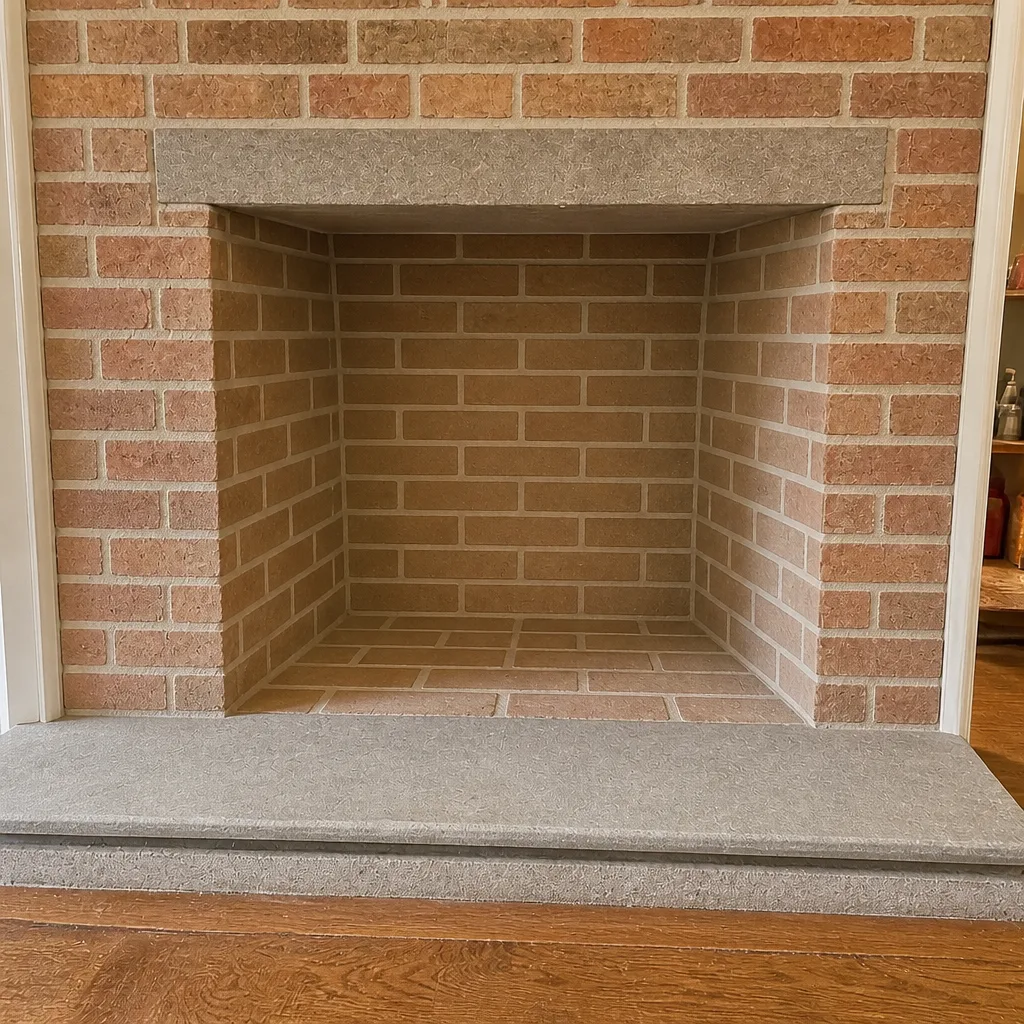
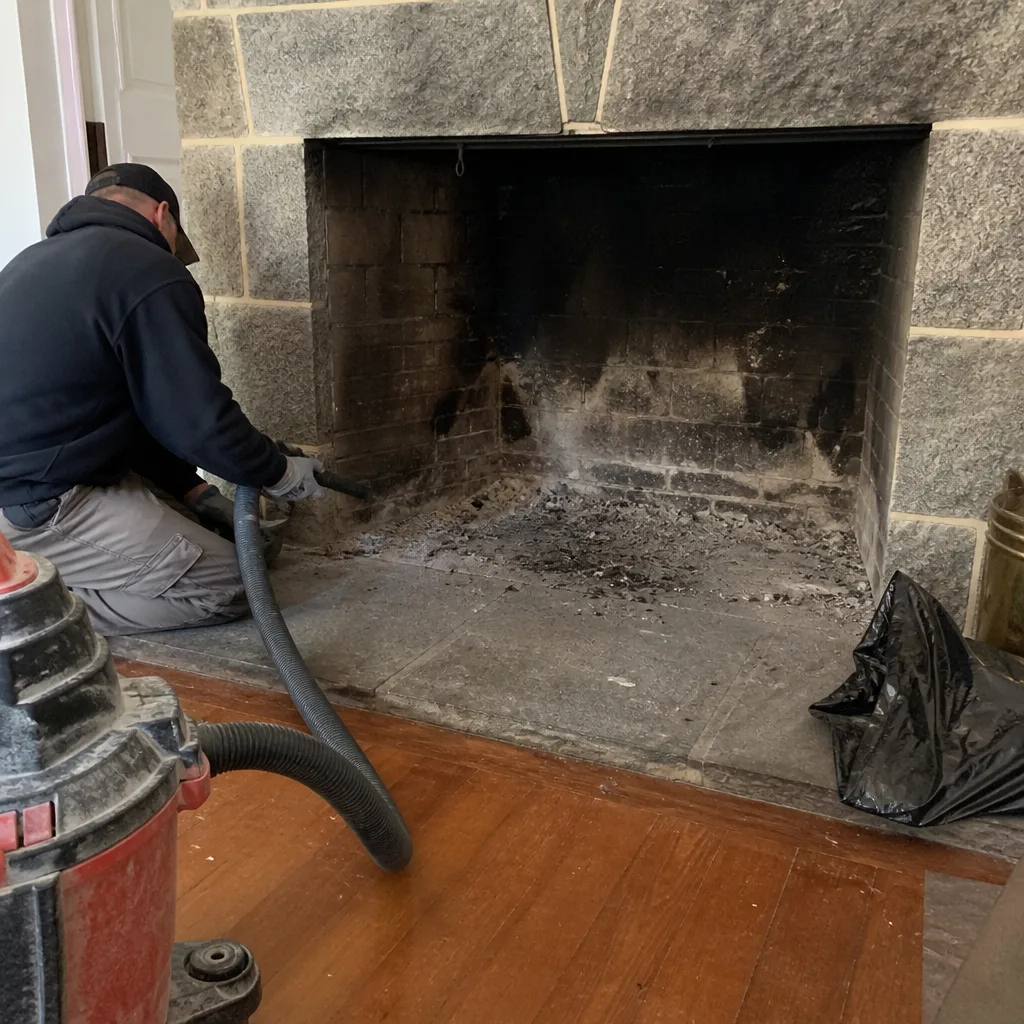
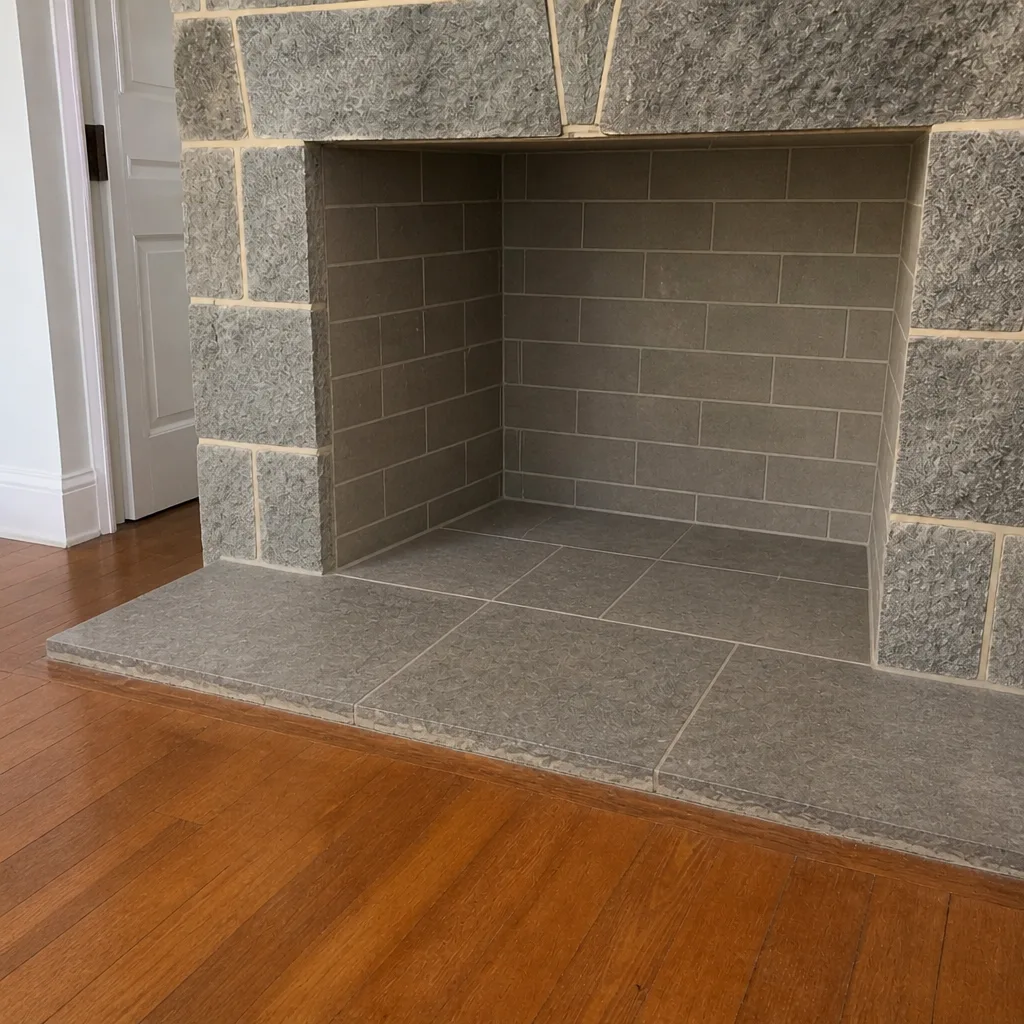
See the difference
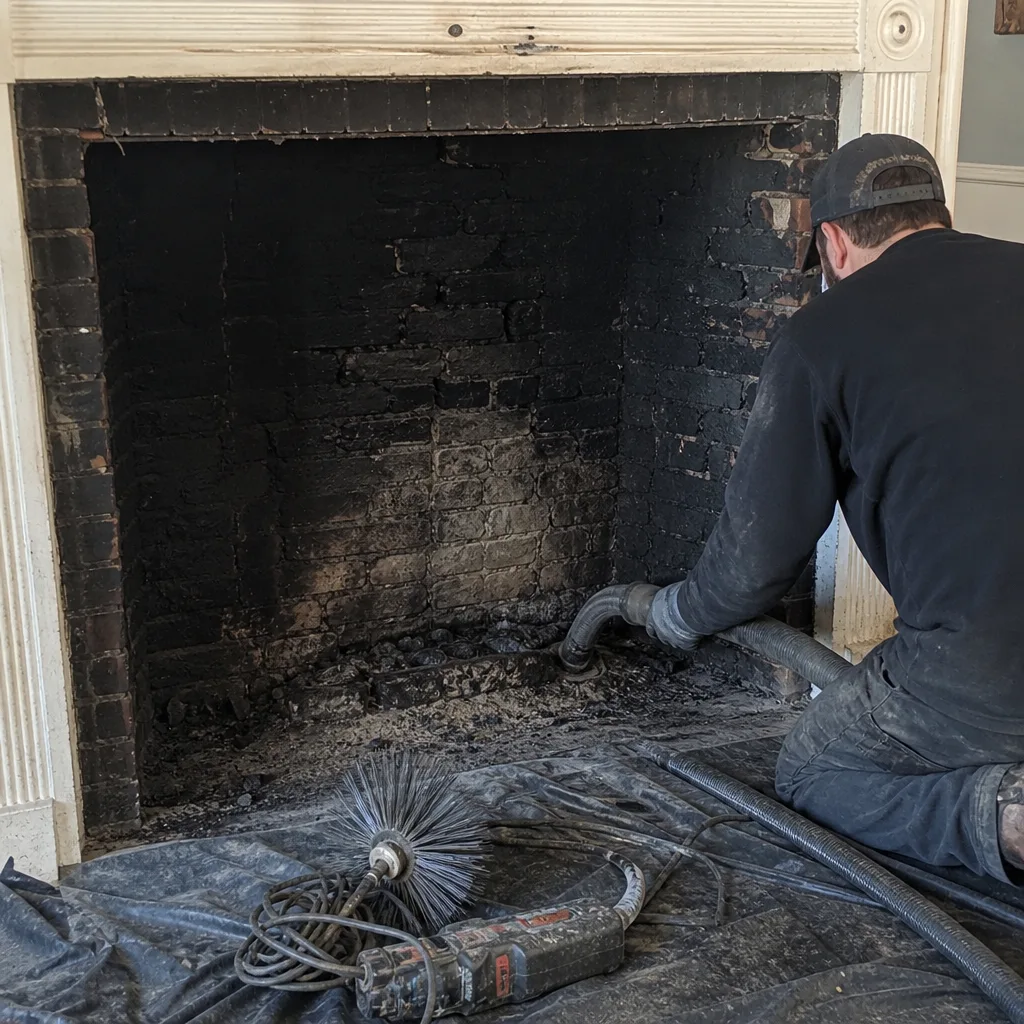 Before
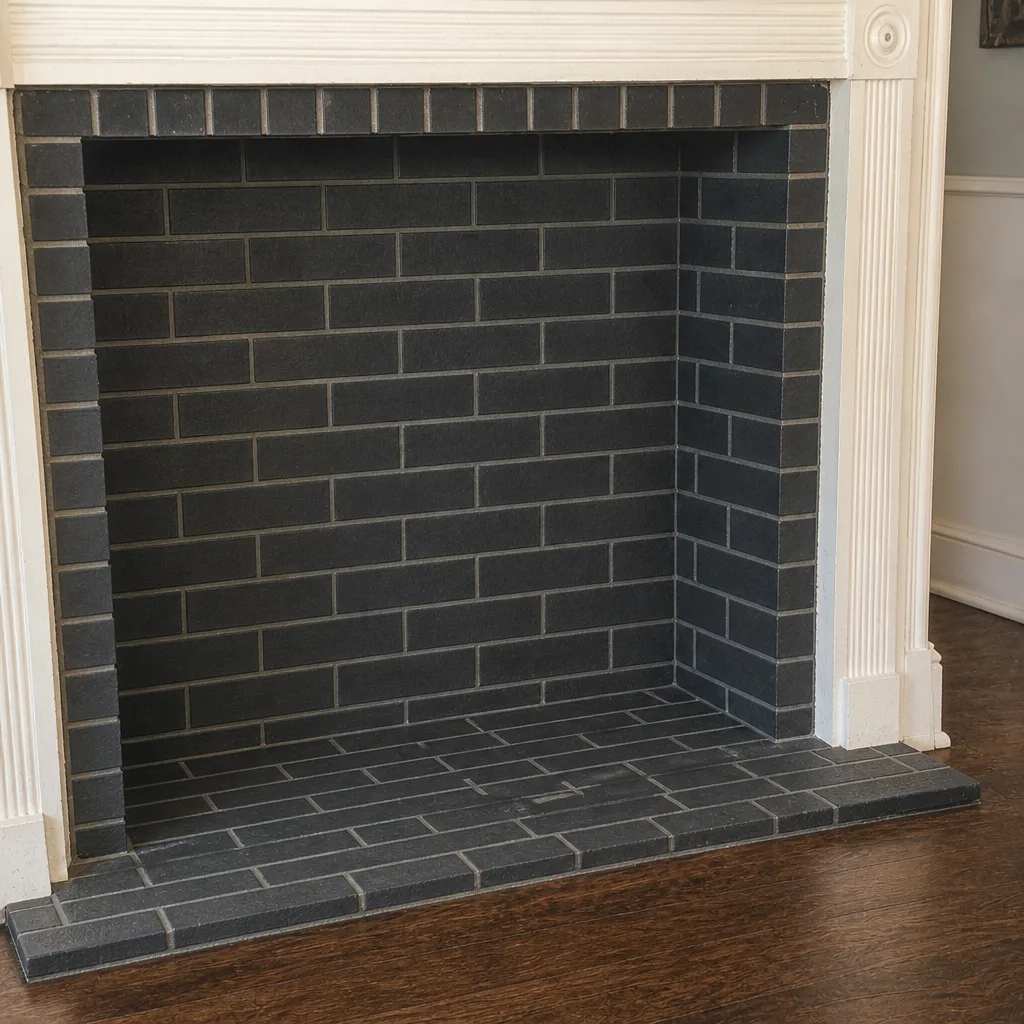 After
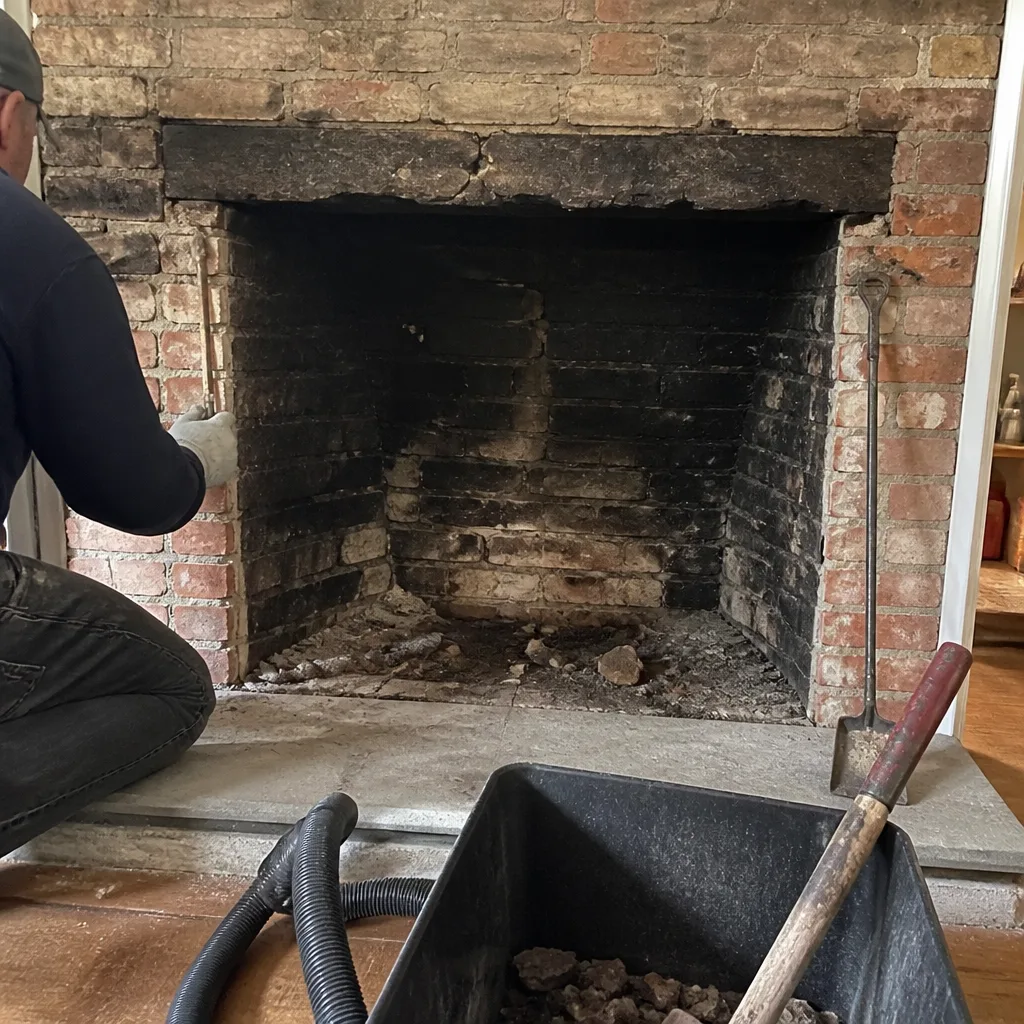 Before
 After
 Before
 After