
Last updated November 25, 2026
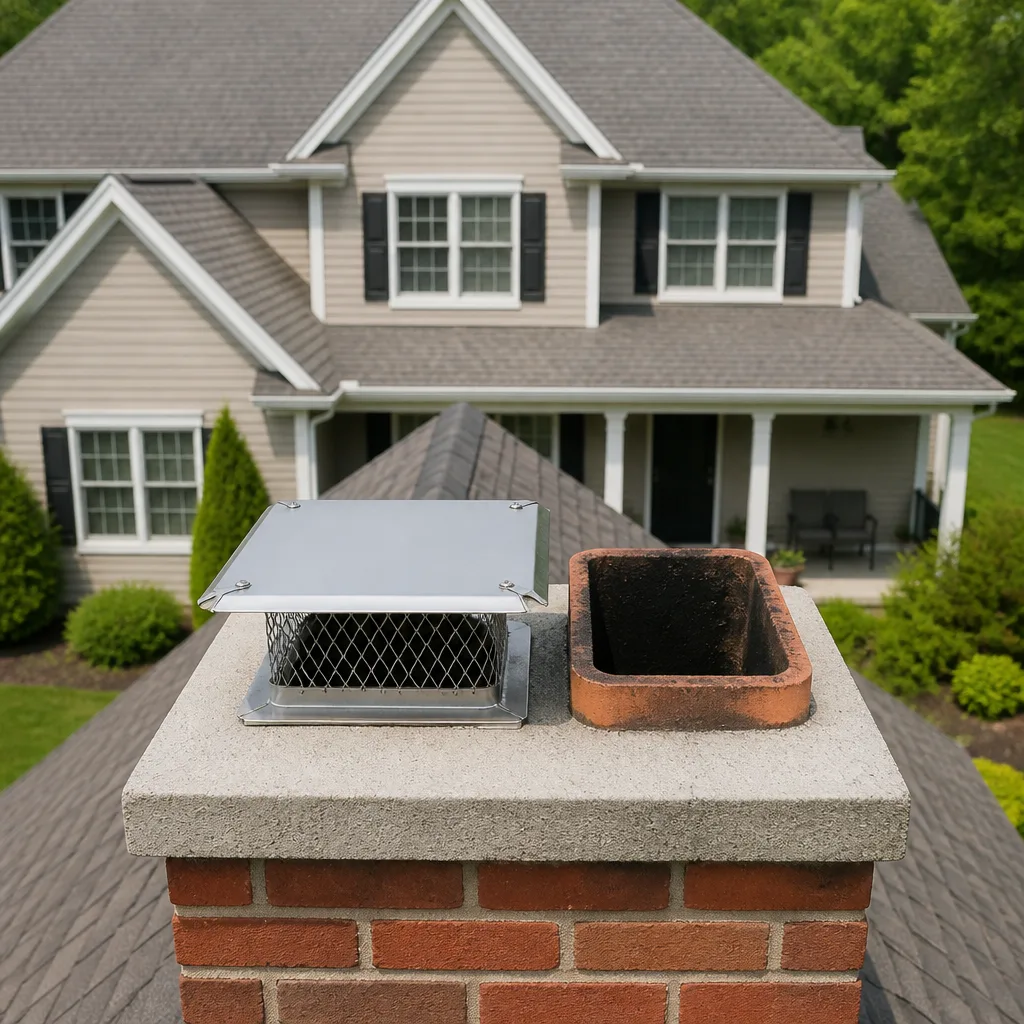 Sweep & inspection
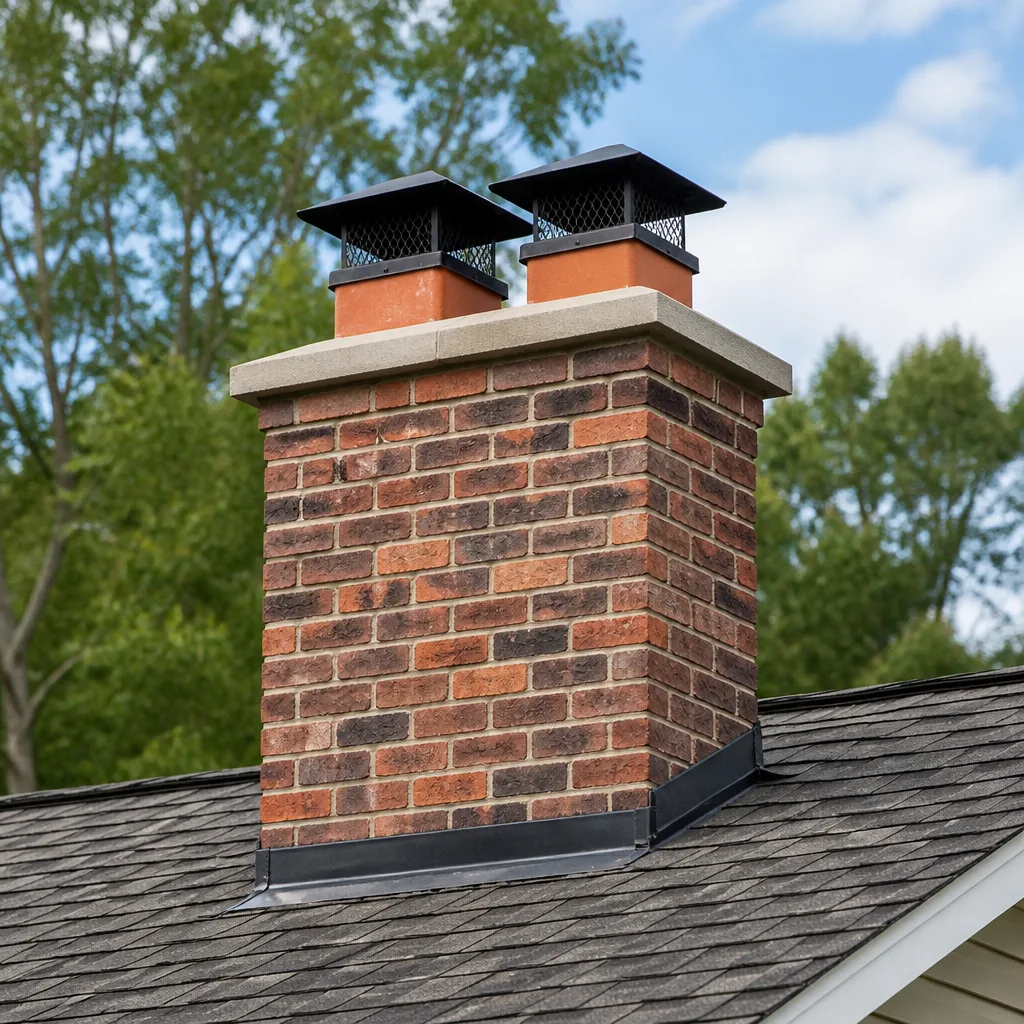 Caps & crowns
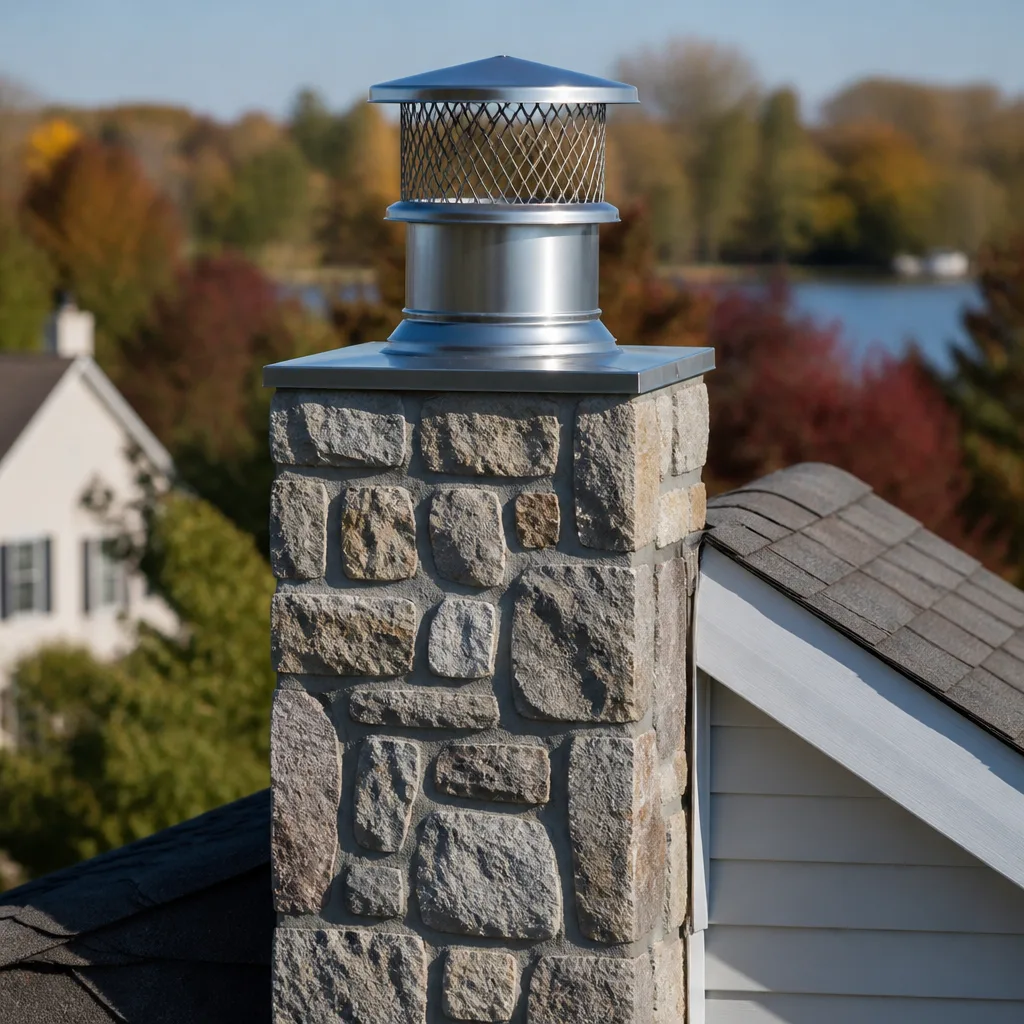 Flue relining
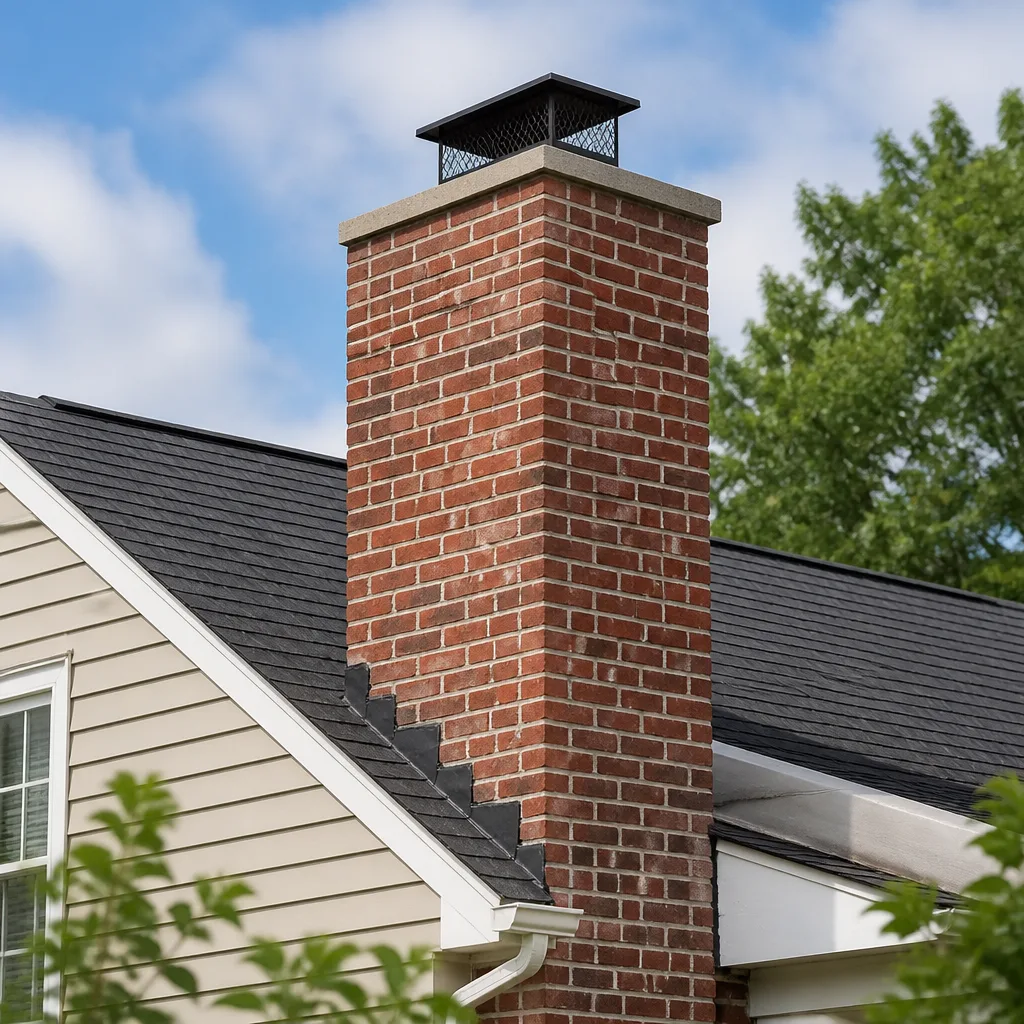 Masonry repair
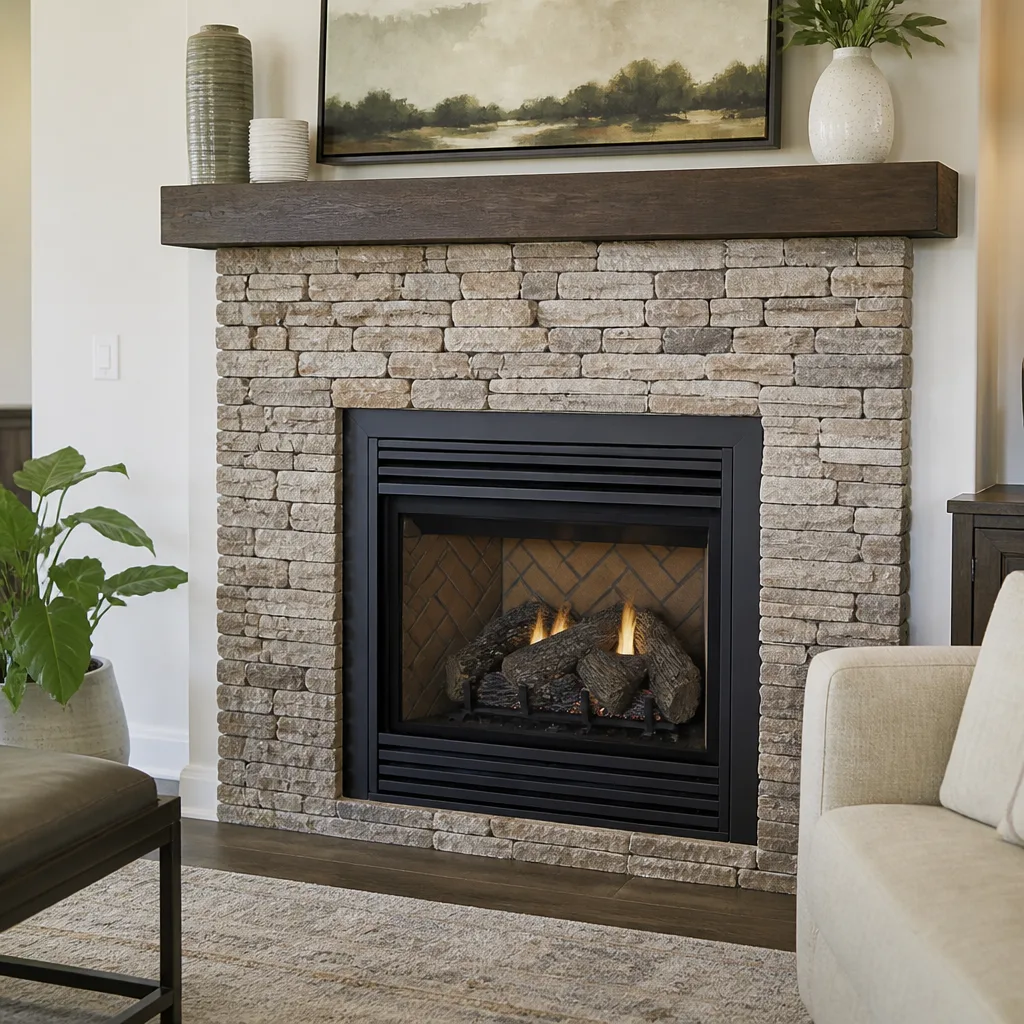 Gas fireplace service
Level 1 sweep and inspection to the NFPA 211 annual standard - flue, crown, cap, and flashing checked and photographed
Chimney sweep logs do not sweep chimneys. They loosen some creosote - which then falls where a brush and vacuum still have to collect it.
Chimney Cleaning Emergency Preparedness Guide for Charlestown Homes
When a chimney fire starts, most homeowners lose 60 to 90 seconds trying to decide whether what they’re hearing (a low roar, popping, a vibration in the flue) is actually an emergency. That hesitation is the most dangerous part of the event. It’s not a lack of courage or a lack of smoke alarms. It’s that nobody ever explained what a real chimney fire sounds like, so the brain keeps waiting for confirmation while the clock runs. This guide exists to remove that pause. You’ll learn how to identify a chimney fire fast, the exact order of actions in the first ten minutes and why the order matters, how a carbon monoxide event plays out differently in a tall Charlestown home, and what paperwork an insurer or fire investigator will ask for before they’ll let you light that fireplace again.
Quick Answer
Chimney emergency preparedness in Charlestown has three parts: recognizing a chimney fire or CO event in seconds rather than minutes, following a fixed response sequence (close the damper, get everyone out, call 911, never throw water on it), and keeping a documented chimney history (sweep records, inspection reports, liner information) that emergency responders and insurers will request afterward. A chimney that appears to have survived a fire must get a Level II inspection before anyone uses it again.
Styles & brands we work with
- Sweep & inspection
- Caps & crowns
- Flue relining
- Masonry repair
- Gas fireplace service
Table of Contents
- How do you know it’s a chimney fire and not normal combustion noise?
- What is the correct 10-minute response sequence?
- Why does a chimney that “survived” still need a Level II inspection?
- What does a carbon monoxide event look like in a multi-story Charlestown home?
- What documentation will your insurer and the fire investigator ask for?
- What should a Charlestown homeowner do before the heating season starts?
- Why does creosote buildup behave the way it does in Charlestown’s housing stock?
- What does the recovery process look like after an incident?
How do you know it’s a chimney fire and not normal combustion noise?
A chimney fire has a signature that’s distinct from the ordinary snap and tick of a wood fire, and once you know the signature you won’t waste time second-guessing it. Normal combustion makes irregular, small sounds that follow the wood as it burns down. A chimney fire makes sounds that are louder, more rhythmic, and coming from above the firebox rather than from the logs.
Listen for these cues:
- A low, sustained roar. Not the crackle of a fire but a rumble that sounds like a distant train or a strong wind pulled through a metal pipe.
- Popping and tapping that grows louder. This is often creosote igniting in flakes and expanding as it burns, and it can sound like someone tapping on the flue from inside.
- Vibration you can feel through the floor or hearth. A hot, fast-moving fire in a flue creates a draft that shakes the surrounding masonry or metal.
- Smoke or heat where there shouldn’t be any. Smoke pushing out of joints, seams, or the top of the chimney, or a smell of hot metal in the room.
- A visible plume from the chimney top. Dense, dark, or unusually fast-moving smoke, or sparks coming out of the cap.
Smell matters too. A chimney fire often releases a sharp, acrid odor (burning tar and hot metal) that is different from ordinary woodsmoke. If more than one of these cues is present, treat it as a chimney fire and start the response sequence. Waiting to be certain is the mistake. We’ve seen how quickly a small creosote fire can spread once the flue is hot enough to sustain it, and the time you spend confirming is time the fire has to grow. That’s why a properly maintained chimney, cleaned on schedule, is really the first layer of preparedness. Booking a chimney sweep before the burning season removes the fuel that turns a small ignition into a serious event.
What is the correct 10-minute response sequence?
The sequence is fixed and simple: close the damper, get everyone out, call 911, don’t use water. Each step is ordered deliberately, and understanding why makes it easier to follow under pressure.
- Close the damper if you can reach it safely. Closing the damper starves the fire of the air it needs to keep roaring. Do this only if the fire is still contained and you’re not exposed to smoke or flame. If you can’t reach it, skip to step two.
- Get everyone out of the house. A chimney fire can spread into the structure through cracked masonry, so the building stops being a safe place to stand. Leave doors closed behind you to slow smoke spread.
- Call 911 from outside. Tell the dispatcher it’s a chimney fire and give your exact street address and floor. Fire departments treat chimney calls as structure calls until they see otherwise.
- Do not throw water on it. A sudden burst of water into a firebox and flue that are already at high temperature can cause thermal shock, cracking masonry and sending steam and hot debris back into the room. The fire service has the right tools for a flue fire.
Why this order? Closing the damper comes first because it’s the only step that directly affects the fire and it takes a second. Getting out comes second because the building is no longer yours once a fire has a hold on it. Calling 911 comes third because you call from safety, not from the firebox. And the “no water” rule exists because the instinct to fight a small fire with a bucket is the most common way homeowners turn a survivable chimney fire into a structural repair.
What happens after the crews leave is where most homeowners are unprepared. The fire being out is not the end of the event.
Why does a chimney that “survived” still need a Level II inspection?
A chimney is not “fine” just because the house is still standing and the fire went out. A chimney fire, even a short one, can damage parts of the flue you cannot see from the firebox. The bricks can crack. The mortar joints can fail. A clay tile liner can spall or separate. A stainless liner can warp or pull loose at a seam. Any of those hidden failures lets heat and carbon monoxide into the structure on the next fire, which is why every chimney that has had a fire needs a Level II inspection before anyone uses it again.
A Level II inspection is the standard inspection for this situation. It covers all accessible parts of the chimney and connects to the flue interior with a camera, not just a flashlight up the firebox. The inspector is looking for:
- Cracked, separated, or displaced flue tiles, or gaps in a stainless liner.
- Failed mortar joints in the flue and any offset or misalignment.
- Damage to the firebox, damper, and smoke chamber.
- A crown or cap that cracked from heat and is now letting water in.
- Creosote that re-formed or remains after the fire.
This is exactly where the inspection-and-repair capability matters. A Level II inspection with camera photos tells you what is actually wrong. When the flue has deteriorated but the chimney has not failed structurally, ceramic resurfacing products like HeatShield can rehabilitate the liner without a full tear-out. Where the liner is badly damaged or corroded through, a flexible system like DuraFlex can reline the flue. The point is that a camera-first inspection turns a scary diagnosis into a scheduled repair with a clear scope. That’s why we pair the two under one roof: a problem found on inspection day can be quoted the same visit rather than referred out, and you’re not left calling around for a second contractor to make sense of the first contractor’s report.
What does a carbon monoxide event look like in a multi-story Charlestown home?
Carbon monoxide is the other chimney emergency, and it plays out differently from a fire. CO is colorless, odorless, and doesn’t make smoke, so there’s no visual cue. In a three-story Charlestown rowhouse or a converted upper-floor unit, the person most at risk is often the one on the top floor, and the reason has nothing to do with the chimney’s condition that day. It’s physics. CO mixes easily with warm air rising through the building, and an upper-floor occupant can accumulate it without ever smelling smoke from the fireplace below.
The warning signs you can actually notice are physical, not visual:
- Headache, dizziness, or nausea that everyone in the home feels at the same time and that relieves when they leave.
- Confusion, drowsiness, or the feeling of being “flushed” without a fever.
- Shortness of breath, especially in an upper-floor bedroom.
- A CO alarm sounding anywhere in the house (treat it as real, every time).
If any of those are present, get everyone outdoors into fresh air and call 911. Do not re-enter to open windows or investigate. Do not try to “air it out” first, because the source is still running and the air will re-fill. Firefighters will measure the levels and find the source with their own instruments. This is the one part of chimney preparedness where our advice is purely to leave the diagnosis to the fire service and the repair to a chimney professional.
The prevention side is where a homeowner can act. A CO alarm on every level, especially outside sleeping areas on the top floor of a tall Charlestown home, is the most important piece of preparedness equipment you can install. An annual inspection of the appliance and venting before the heating season catches the cracked flue, disconnected pipe, or blocked termination that produces the CO in the first place. An inspection that flags a problem and then helps you fix it is worth far more than a certificate that says everything looked fine.
What documentation will your insurer and the fire investigator ask for?
After a chimney fire, two parties want to see the chimney’s history: your insurance carrier and the fire investigator. Both are looking for the same thing, which is whether the chimney was maintained to a reasonable standard and whether anyone had notice of a defect. The paperwork you can produce in the first 48 hours sets the tone for the whole claim.
Have these on hand, ideally stored digitally and in one place:
- Sweep records. Dates of each cleaning, by whom, and any notes on creosote levels or obstructions.
- Inspection reports. The most recent Level I or Level II report, including camera photos of the flue interior.
- Liner documentation. The product and size of any installed liner, and the installation record. If the chimney was relined with a DuraFlex system, keep the record on file.
- Repair history. Cap and crown work, firebox repairs, damper work, with dates and materials used.
- Appliance details. The make and model of the wood stove or insert, and its venting configuration.
This is where the disciplined choice of contractor-grade materials pays off twice. When a liner was installed with a named professional-grade product rather than an unmarked one, the documentation is clean, the product can be verified, and the insurer can see exactly what’s in the flue. Consider keeping a simple folder (physical or digital) with the last three years of sweep and inspection records in it. If you ever need it, you won’t be reconstructing it from memory while a claims adjuster waits.
What should a Charlestown homeowner do before the heating season starts?
The best chimney emergency is the one you prevent in October. Charlestown’s housing stock (older brick rowhouses, converted multi-family buildings, and homes with chimneys that were designed for coal or oil and later adapted to wood) has some specific needs. Many flues were never sized for the appliance that’s now using them, and older masonry has had decades to develop the hairline cracks that a seasonal inspection catches.
Work through this before the first fire:
- Book the annual sweep. Creosote is the fuel for a chimney fire. Removing it before the burn season is the single highest-value step you can take.
- Get an inspection alongside the sweep. The sweep clears the flue; the inspection tells you whether the flue is sound, correctly sized, and properly vented for the appliance you’re using.
- Check the cap and crown. A cracked crown lets water into the masonry, and water freezing and thawing through a New England winter is how a small crack becomes a flue failure. Cap and crown work is part of pre-season readiness, not just cosmetics.
- Test the smoke and CO alarms. One on each level, CO alarms outside sleeping areas on the top floor as well as near the appliance.
- Have the fireplace and damper checked. A damper that doesn’t close properly changes how the fire behaves, and fireplace repair is best done before the first cold night rather than after it.
- Store your records in one place. Sweep dates, inspection reports, and any liner documentation, ready if you ever need them.
Our technicians have up to 13 years of experience, and most of what they find in Charlestown is caught early precisely because a homeowner booked the sweep before the burn season instead of after a scare. From annual sweep to full liner replacement, one call covers it.
Why does creosote buildup behave the way it does in Charlestown’s housing stock?
Creosote is the tar-like residue left behind when wood burns incompletely, and it’s the main fuel load for a chimney fire. It forms in three stages: a light soot you can brush away, a flaky crust, and a hard, glazed deposit that’s much harder to remove. Glazed creosote is the dangerous one, and it forms faster when the fire is run cool or with wet wood. In a drafty older Charlestown home, the instinct to damp a fire down overnight to stretch the wood is the same instinct that builds glazed creosote in the flue.
Two other local factors matter. First, Charlestown’s older chimneys were often built with flues sized for the appliances of an earlier era. An undersized flue for a modern insert drafts poorly, and poor draft means incomplete combustion and more creosote. A flexible relining system corrects the flue size and restores draft, which is a structural fix, not just a cleaning. Second, many homes have a masonry chimney with no liner at all, or with an original clay tile liner that has cracked over time. A camera inspection is the only reliable way to know which situation you have, because you can’t see behind the firebox from the living room.
The practical rule is straightforward: burn dry, seasoned wood, run the fire hot enough to burn cleanly, and get the flue swept and inspected on schedule. If the inspection reveals glazed creosote or a deteriorated liner, the repair can be scoped and scheduled right away. When the case for repair is clear from the camera evidence, we recommend it. When it can safely wait, we say so. That honesty is the point of a documented inspection in the first place.
What does the recovery process look like after an incident?
After a chimney fire or a CO event, recovery runs in a fixed order, and doing it out of order wastes time and money. The fire department leaves, the house is still standing, and the temptation is to light a test fire to see if everything’s fine. Don’t. The chimney has to be inspected and cleared before any subsequent use.
The sequence looks like this:
- Get the Level II inspection first. Camera inspection of the full flue, the firebox, the smoke chamber, the cap and crown, and any liner.
- Review the findings with photos. The inspection should show you what’s wrong, not just tell you. A report you can see makes the repair decision yours, not the contractor’s.
- Scope and quote the repair. Depending on what the camera shows, the fix may be a ceramic resurfacing with HeatShield, a reline with DuraFlex, new cap and crown work, or firebox repair. A product like a Copperfield cap corrects a damaged termination if that’s part of the problem.
- Schedule the work and keep the paperwork. The repair record goes in the same folder as the inspection report, ready for the insurer.
- Light the first fire only after the work is done and signed off. A test fire before the repair is complete tells you nothing useful and risks a second event.
If a professional quotes the work, ask to see the camera evidence behind the recommendation. Any chimney professional worth using will show you, and will tell you plainly when a repair can wait. That’s the standard we hold ourselves to on every Charlestown job.
Common Mistakes to Avoid
- Waiting to confirm it’s a real fire. The 60 to 90 seconds spent deciding is the most dangerous window in the event. If a roar, popping, and a hot metal smell are all present, treat it as a chimney fire and start the sequence.
- Throwing a bucket of water into the firebox. Thermal shock can crack the masonry and push steam and debris back into the room. The fire service has the right tools; you don’t need to improvise one.
- Relighting the fireplace after a fire “because it looks fine.” A chimney that survived can still have a cracked flue tile or a warped liner. A Level II inspection is the only way to know before the next fire.
- Relying on a CO alarm on one floor only. In a three-story Charlestown home, the upper-floor occupant is the most at risk and the least likely to smell smoke. Put a CO alarm on every level, especially outside the top-floor bedrooms.
- Burning wet or green wood to stretch the supply. It’s the fastest route to glazed creosote, which is the hardest deposit to remove and the most likely to sustain a fire. Dry, seasoned wood is a safety decision, not a preference.
- Putting off cap and crown work because it’s “just outside.” A cracked crown lets water into the masonry, and a New England freeze-thaw cycle turns a small crack into a real flue problem.
- Not keeping your records. When an insurer or investigator asks for the sweep and inspection history, a folder with the last three years of reports saves the claim. Reconstructing it from memory after an incident is a bad position to be in.
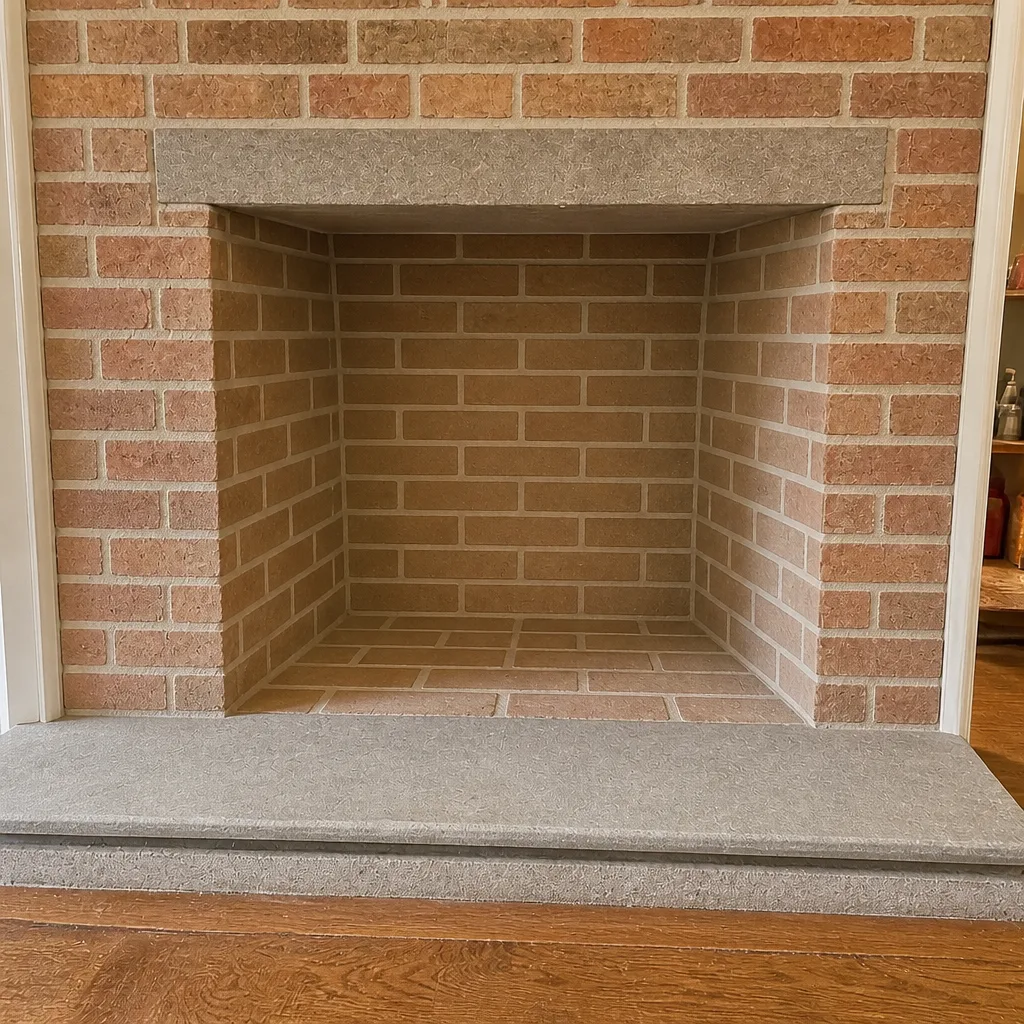
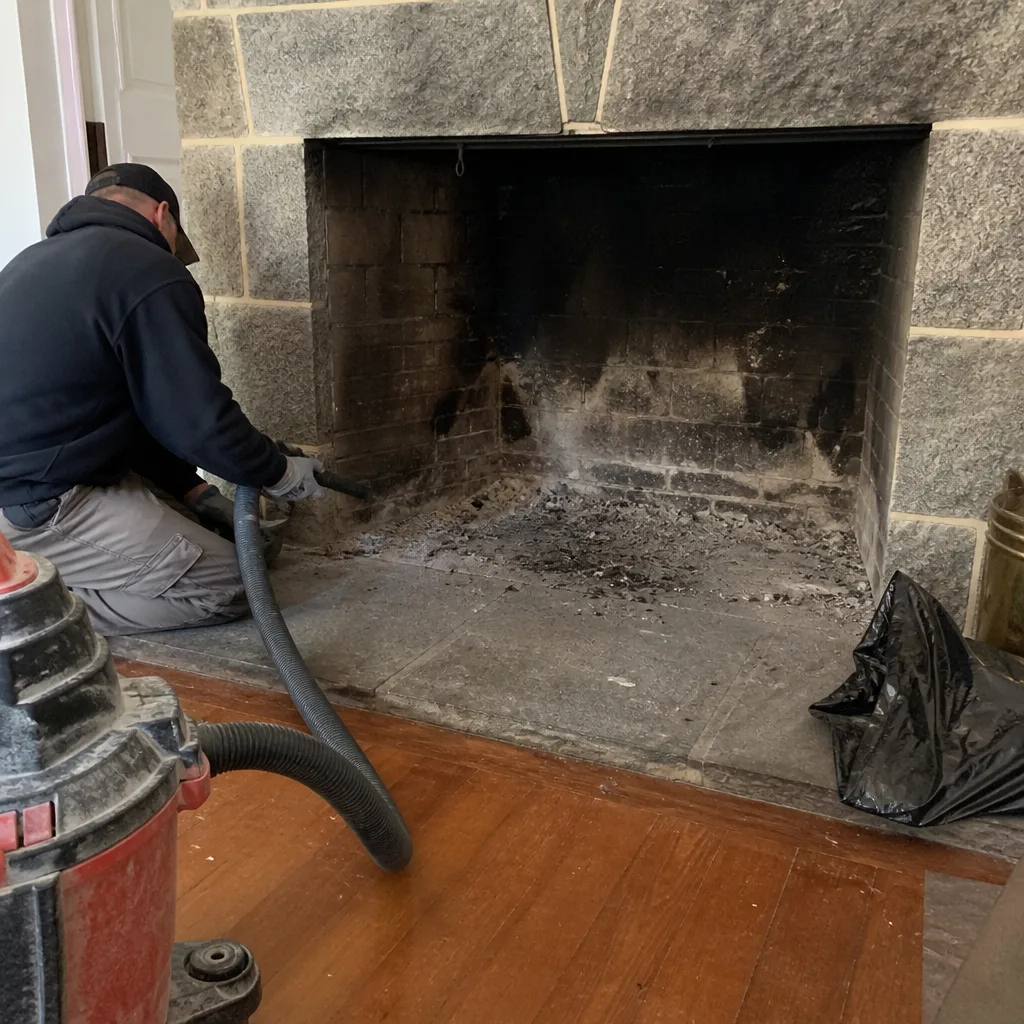
See the difference
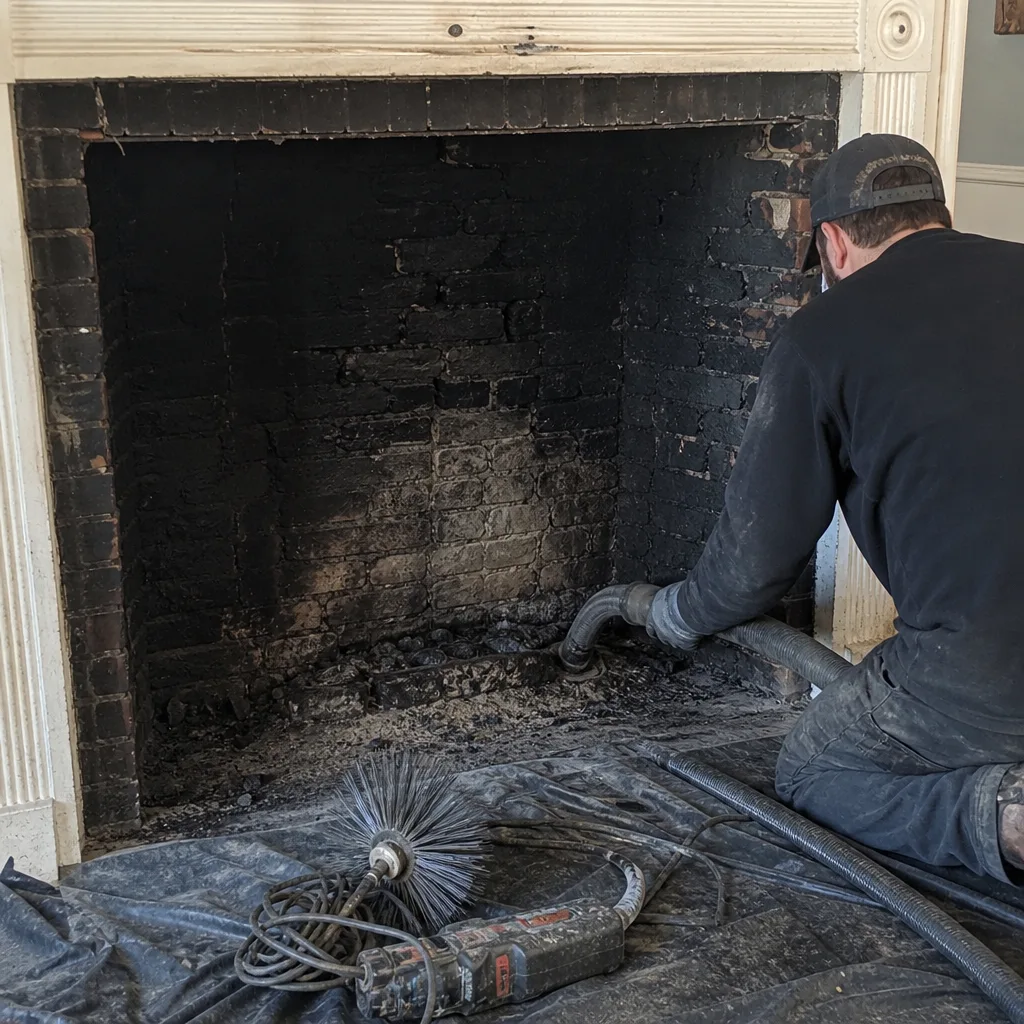 Before
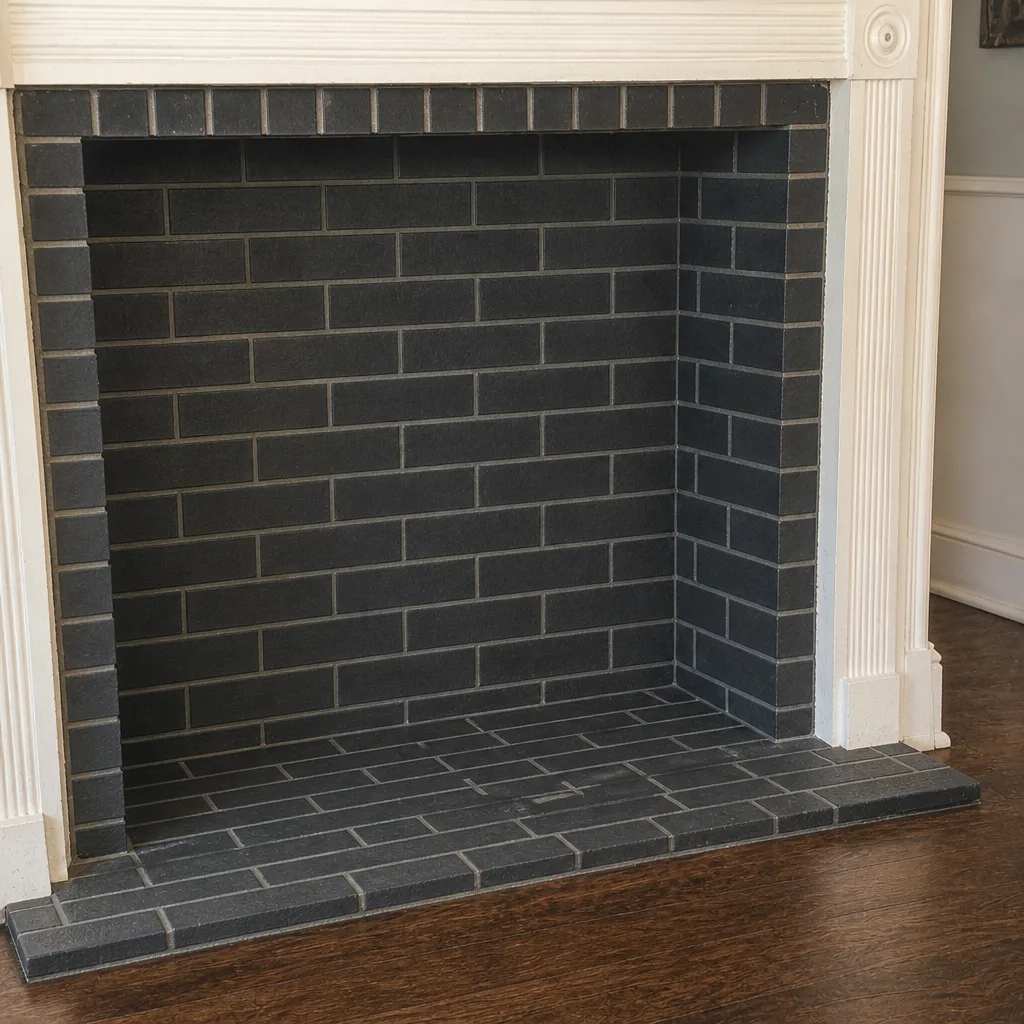 After
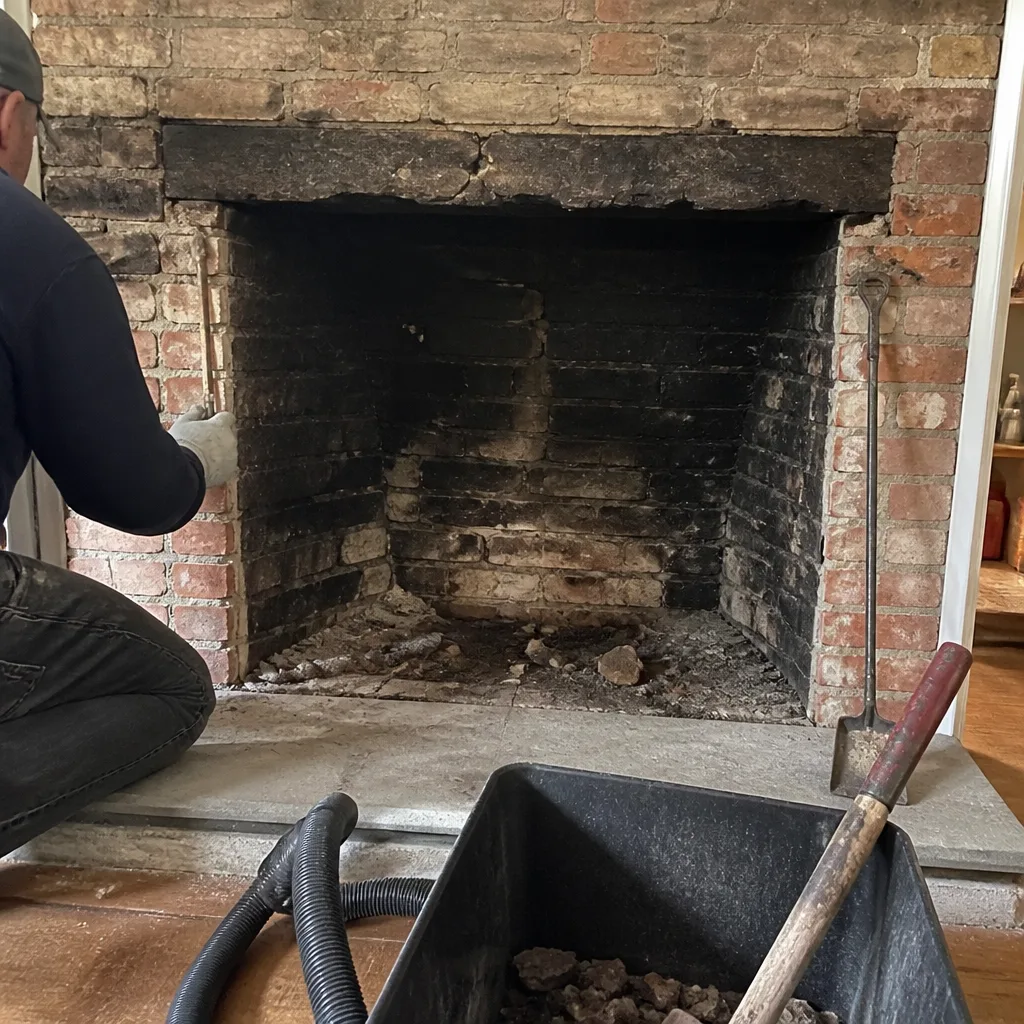 Before
 After
 Before
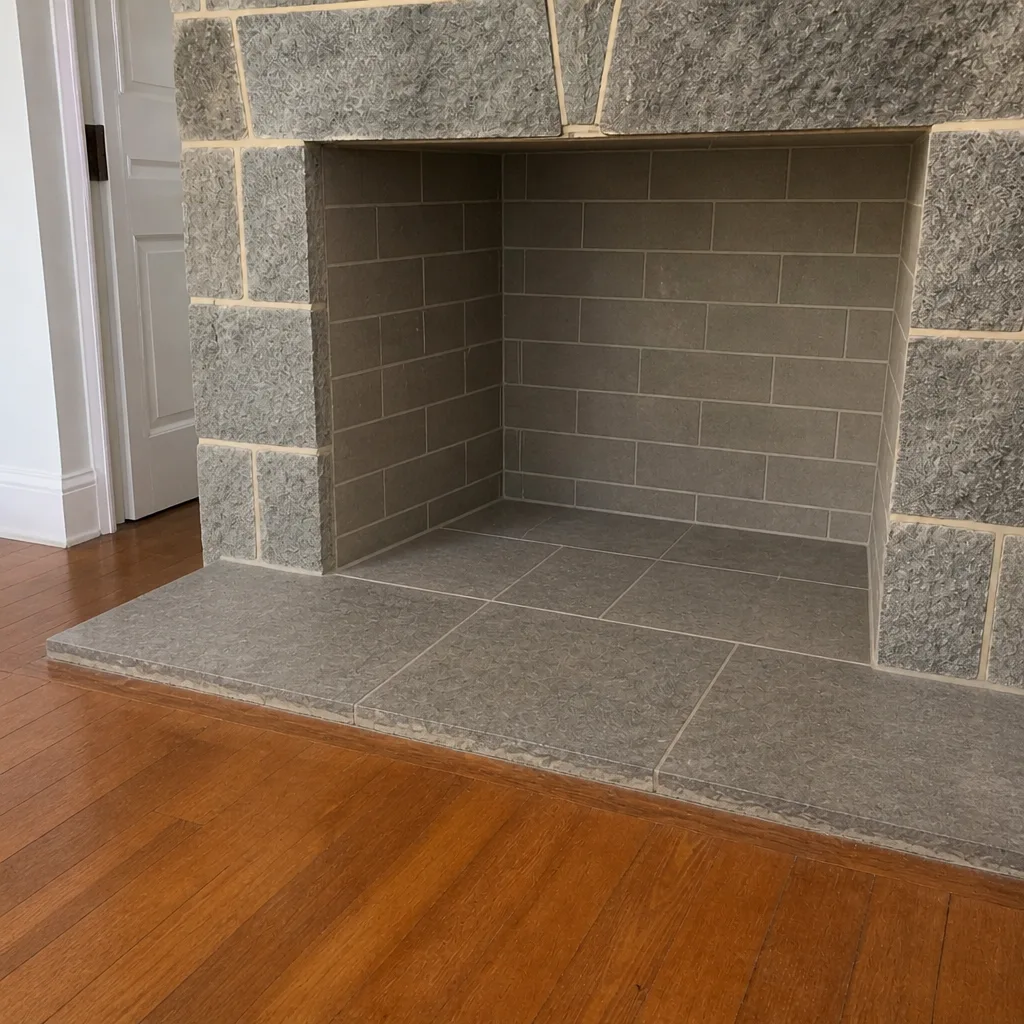 After
When to Call a Professional
Call us when the chimney has had a fire (any fire), when a CO alarm has sounded even once, when the flue smells like tar or hot metal, or when smoke is backing into the room. Call when you’ve moved into a Charlestown home and don’t know the chimney’s history, or when the last inspection was more than a year ago. Call when the cap is missing or cracked, when the crown is spalling, or when you’re planning to install an insert and need the flue checked for size and condition. Chimney Sweep Charlestown offers free estimates in Charlestown. Call (877) 792-6155 and we’ll talk through what you’re seeing. We answer 24/7. Fast dispatch from 7am to 7pm, Sunday through Friday.
Frequently Asked Questions
The clearest signs are a low sustained roar from above the firebox, popping or tapping that grows louder, vibration you can feel through the floor, and a sharp hot-metal smell. Dense smoke or sparks from the chimney top confirm it. If more than one of those is present, treat it as a chimney fire, get everyone out, and call 911. The inspection afterward is what tells you the actual damage.
No. A chimney that looks fine from the firebox can still have cracked flue tiles, failed mortar, or a damaged liner that lets heat and carbon monoxide into the structure. The chimney must receive a Level II inspection with camera access to the flue before any subsequent use. Call us to book it; the estimate for any repair the inspection turns up is free.
CO mixes with warm air that rises through the building, so an upper-floor occupant can accumulate it without ever smelling smoke from the fireplace below. Put a CO alarm outside the top-floor sleeping areas as well as near the appliance, and treat any alarm as real. If anyone has a headache, dizziness, or nausea that clears when they leave the house, get everyone outside and call 911.
Insurers and fire investigators typically ask for sweep records, the most recent inspection report with flue photos, liner documentation, and the repair history. Keep the last three years of records in one folder. If your liner was installed with a named product like DuraFlex, the installation record should be part of that folder, because it lets the insurer verify exactly what’s in the flue.
Once a year for most wood-burning homes, and more often if you burn heavily or notice glazed creosote. The sweep clears the flue and the inspection confirms it’s sound and correctly sized. Booking both before the heating season is the single highest-value preparedness step a Charlestown homeowner can take. Call (877) 792-6155 for an exact quote; estimates are free.
Creosote keeps building, and glazed creosote is the fuel that turns a small ignition into a chimney fire. You also lose the early warning an inspection provides: the cracked tile, the failing crown, the undersized flue. Skipping a season is a calculated risk, and the calculation is worse in an older Charlestown chimney than in a newer one. Call us to get back on schedule; we’ll tell you honestly what needs doing and what can wait.
The Bottom Line
Chimney emergency preparedness in Charlestown comes down to three habits. Know the sound of a real chimney fire so you don’t lose the first 90 seconds deciding. Follow the fixed sequence (close the damper, get out, call 911, no water) because the order exists for a reason. And keep the documented history that proves the chimney was maintained, because after an incident the paperwork is the difference between a smooth claim and a hard one. The prevention side is just as simple: sweep and inspect before the burn season, fix the cap and crown before winter, and put CO alarms on every level. Our technicians have up to 13 years of experience with the full range of chimney work, from Chimney Sweep Charlestown service through chimney cap & crown work and fireplace repair. From annual sweep to full liner replacement, one call covers it.
Get Your Chimney Checked Before the Burn Season
If it’s been more than a year since your last sweep or inspection, now is the time. We work with professional-grade products including DuraFlex, HeatShield, Copperfield, and Olympia Chimney, and every job is scoped from camera evidence so you can see for yourself what’s wrong and what it costs to fix. Call (877) 792-6155 for a free estimate. We answer 24/7. Fast dispatch from 7am to 7pm, Sunday through Friday.
Written by the team at Chimney Sweep Charlestown.