
Last updated November 25, 2026
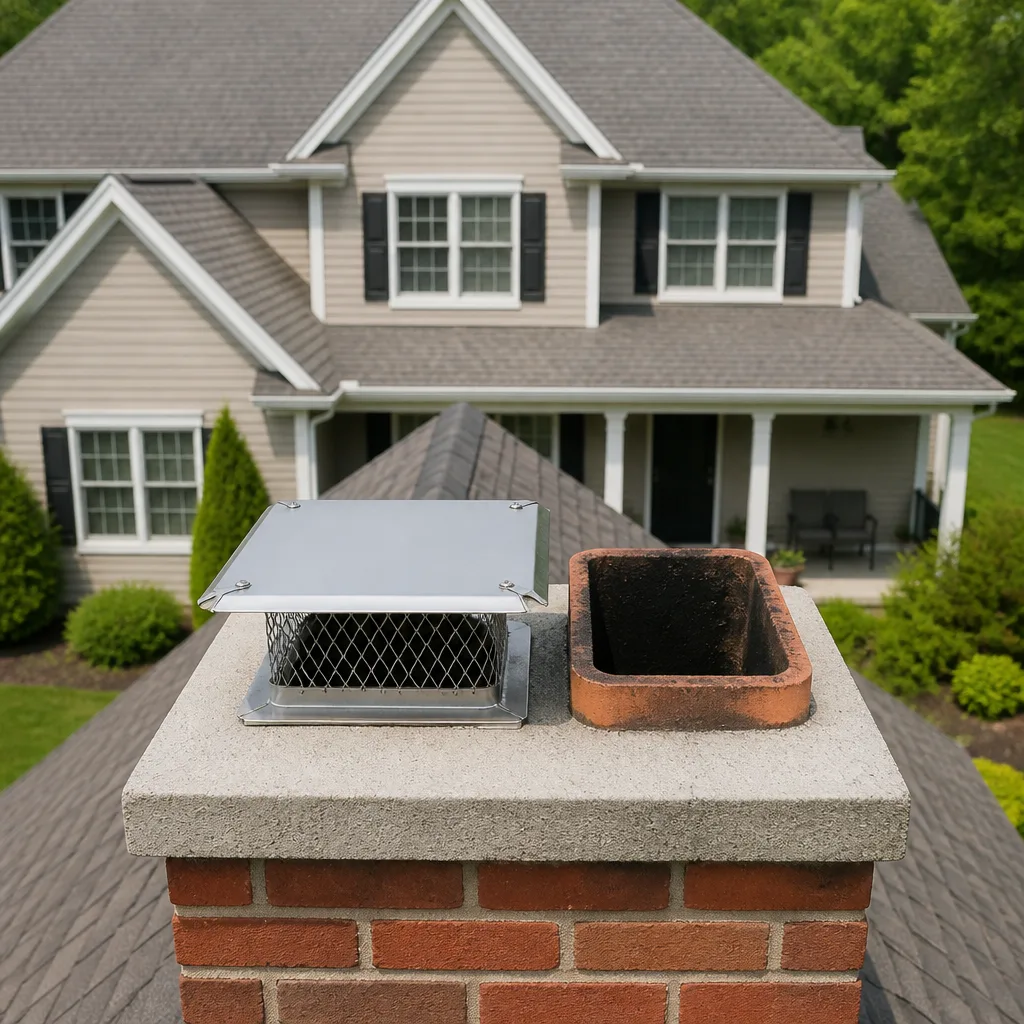 Sweep & inspection
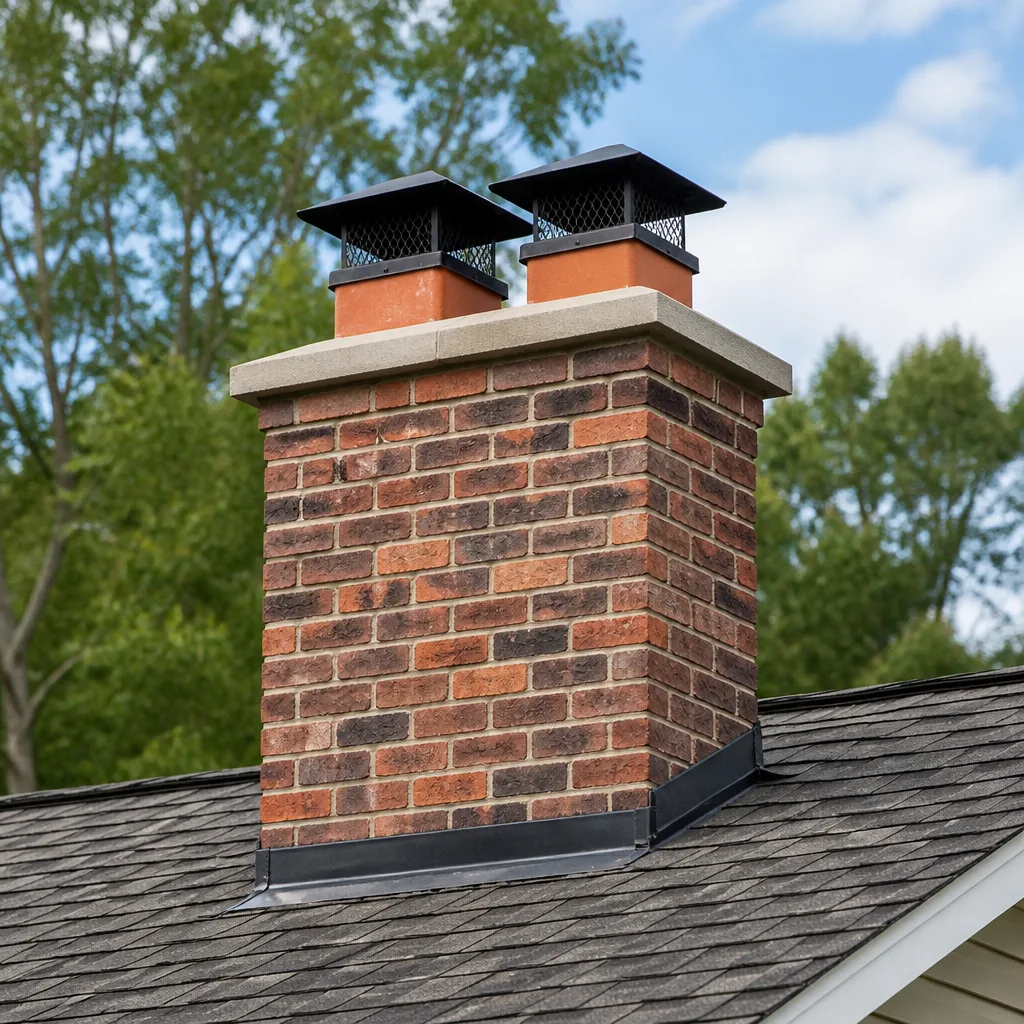 Caps & crowns
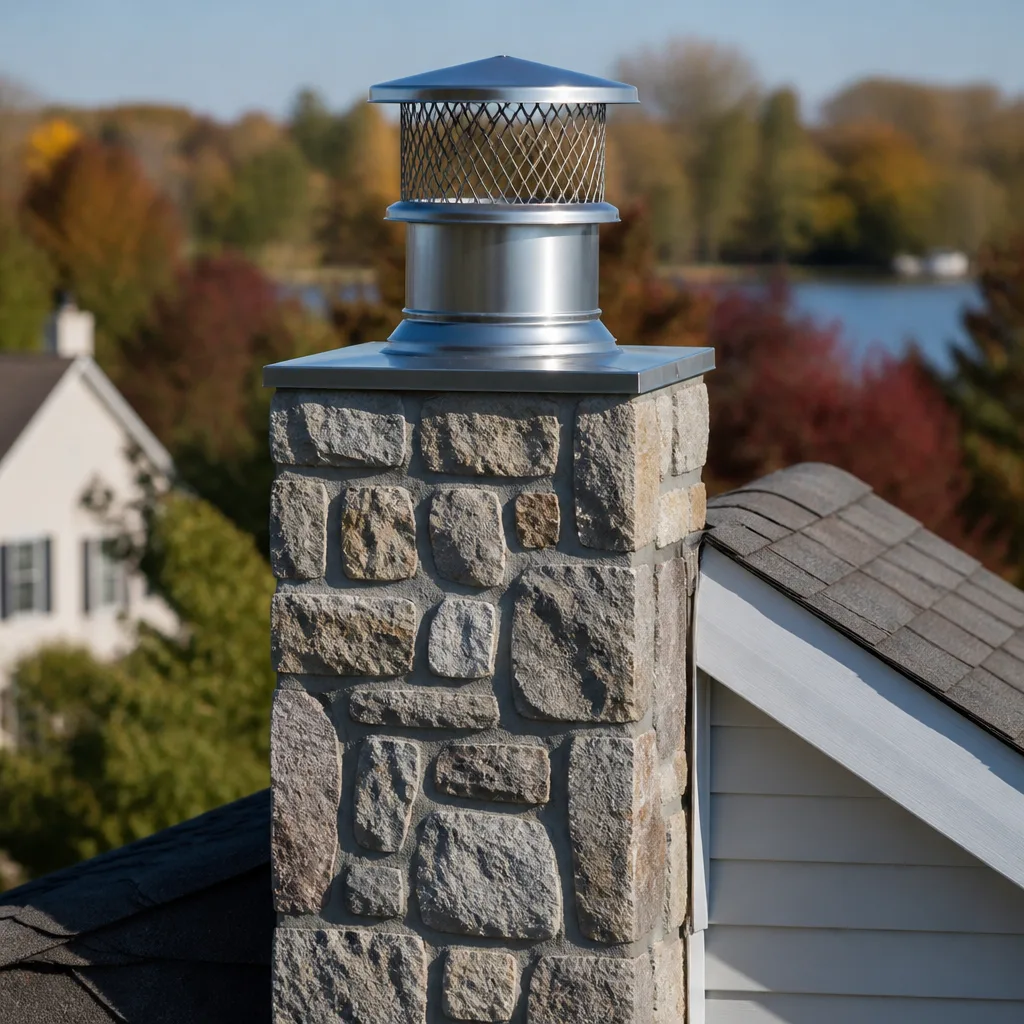 Flue relining
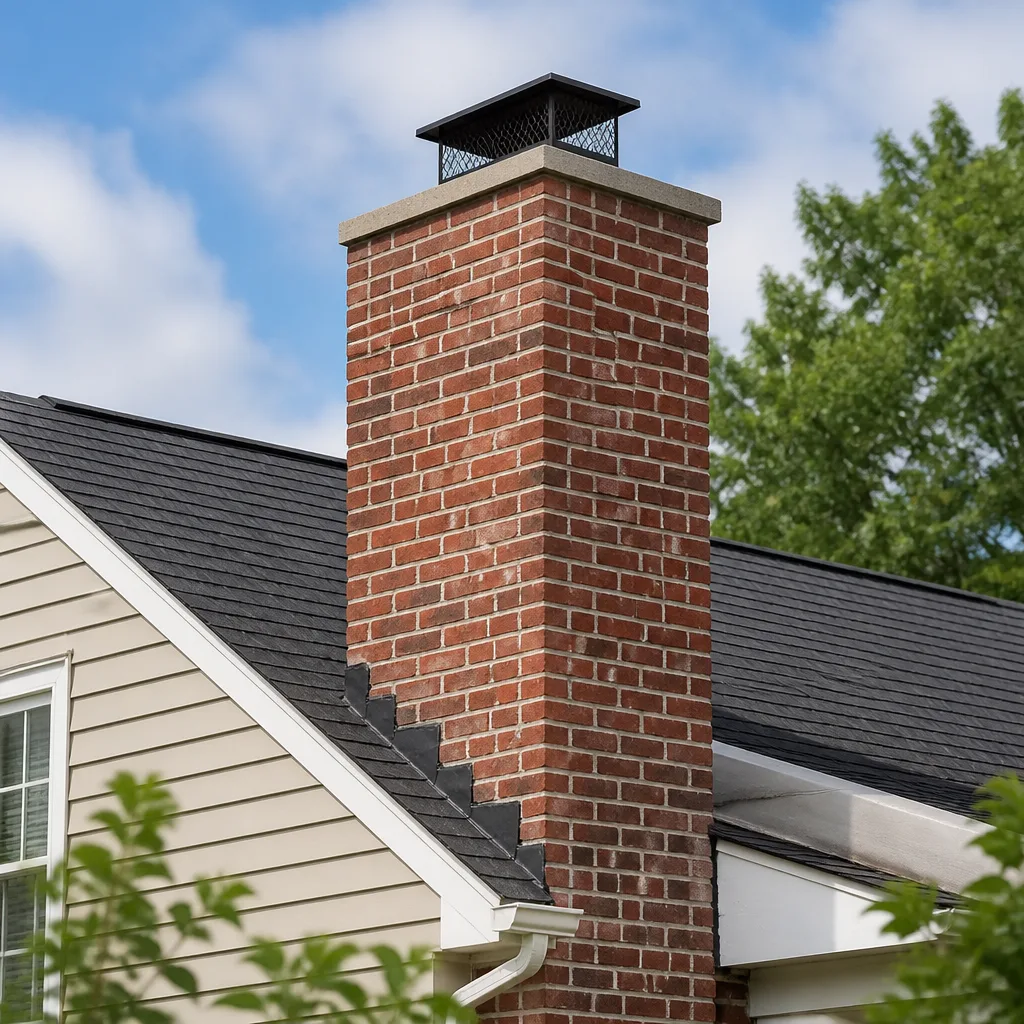 Masonry repair
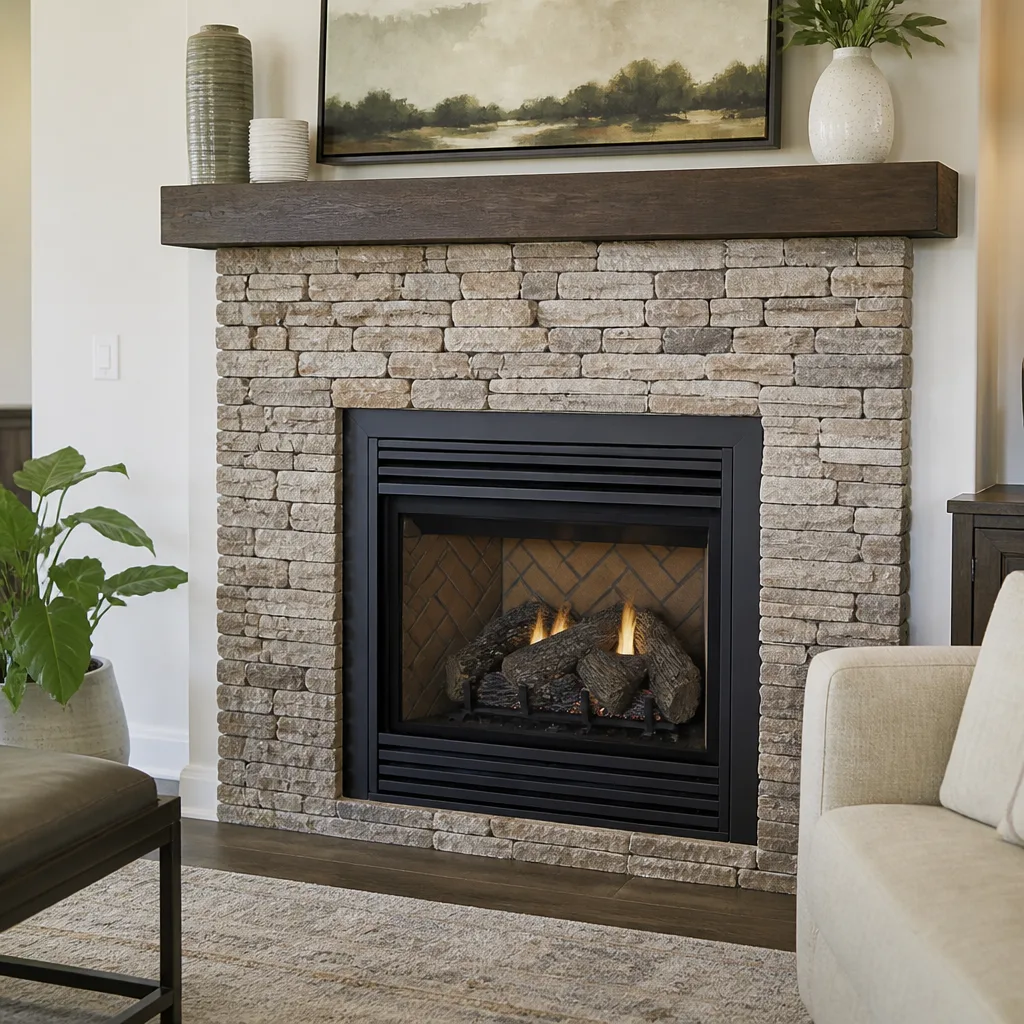 Gas fireplace service
Level 1 sweep and inspection to the NFPA 211 annual standard - flue, crown, cap, and flashing checked and photographed
Chimney sweep logs do not sweep chimneys. They loosen some creosote - which then falls where a brush and vacuum still have to collect it.
DIY vs Professional Chimney Cleaning: The Charlestown Homeowner’s Decision Guide
Most chimney advice splits into two useless camps: “never touch it yourself” or “grab a brush and save the money.” Neither is honest. The truth is that a careful homeowner can do real, useful work on a fireplace, and a careful homeowner can also create a dangerous half-measure without knowing it. The line between those two outcomes isn’t effort or confidence. It’s information. Specifically, it’s what you can see with your own eyes versus what a camera shows when it’s a few feet up a flue. In this guide, we walk through exactly which tasks are safe to handle in Charlestown, where DIY quietly stops being enough, and how urban rowhouse rooflines change the risk calculus from what a suburban video makes it look like.
Quick Answer
A homeowner can safely remove light Stage 1 creosote with a properly sized brush kit, clear firebox ash and debris, and check that the damper opens and closes. Everything structural – flue liner condition, advanced creosote staging, cap and crown integrity, hidden cracks behind soot – requires a camera inspection and trained eyes to evaluate. DIY cleaning without that inspection is a half-measure, not a solution, because you can’t fix what you can’t see.
Styles & brands we work with
- Sweep & inspection
- Caps & crowns
- Flue relining
- Masonry repair
- Gas fireplace service
Table of Contents
- What You Can Safely Do Yourself
- Where DIY Stops: The Structural Line
- Charlestown Rowhouse Rooflines and the Real Risk of DIY Roof Work
- The Real Cost Comparison: Brush Kit vs Professional Sweep
- Insurance and Home-Sale Consequences of Undocumented Cleaning
- A Step-by-Step Look at How a Professional Sweep Actually Runs
- Creosote Stages and Why They Matter
- Signs You Should Stop Cleaning and Call for Help
What You Can Safely Do Yourself
Let’s start with the parts of chimney care a competent homeowner can genuinely handle. These are low-risk tasks that don’t put you on a roof, don’t involve hidden structural components, and don’t require special tools.
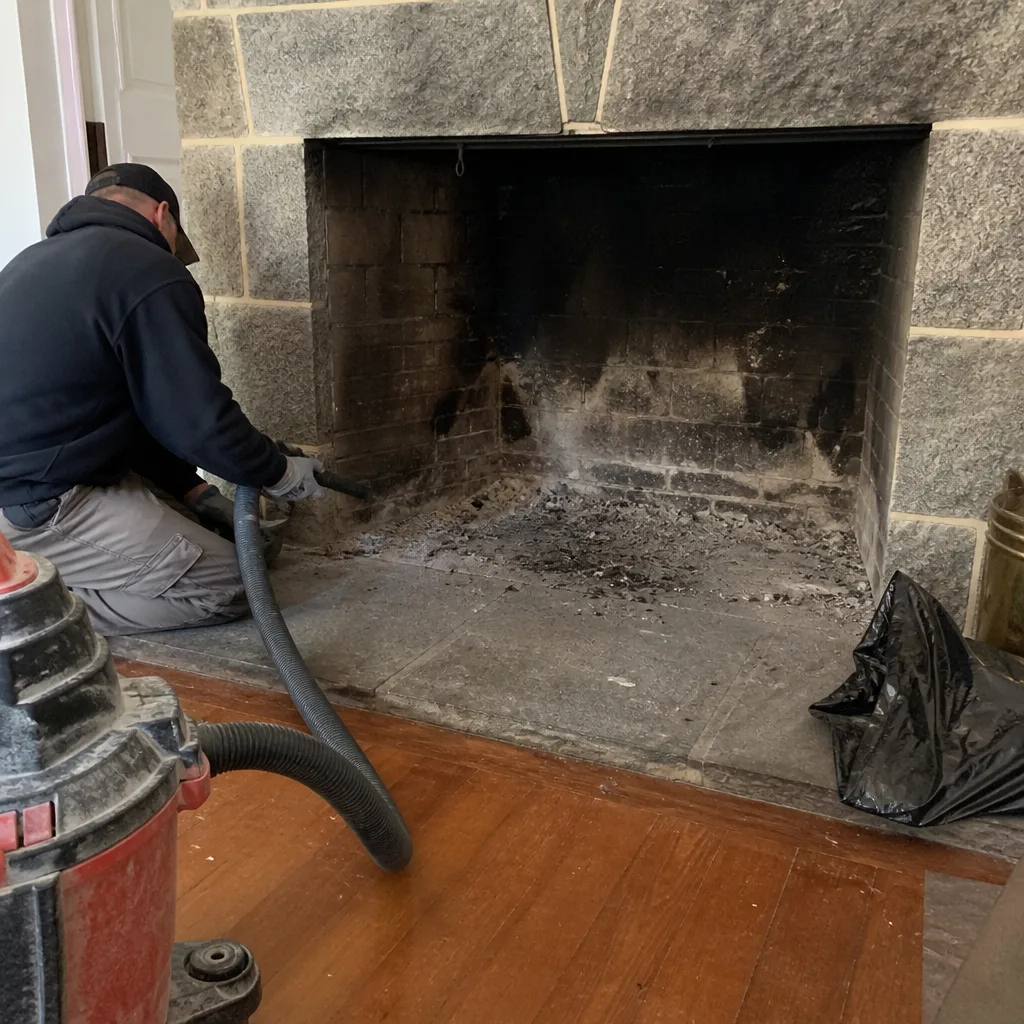
- Firebox debris removal. Clearing ash, leftover wood, and soot from the firebox floor between burn seasons keeps the firebox dry and reduces the material that will eventually end up in the flue. A shop vac rated for fine ash or a sturdy scoop and metal bucket does the job.
- Exterior visual inspection from the ground. You can walk the sidewalk and look up at the cap, the crown, the flashing, and the visible top of the chimney. You can note crumbling mortar, missing cap mesh, or obvious cracks. That’s observation, not diagnosis.
- Damper operation check. A damper should open and close smoothly and sit flush when shut. If it sticks, wobbles, or won’t fully close, that’s useful information to pass along to a technician.
- Surface dust-down of the hearth and surround. Routine cleaning of the fireplace face, hearth, and surrounding masonry keeps soot from migrating into the room. It’s important, and it’s not the same as sweeping the flue.
- Ash pit and grate cleaning. If your firebox has an ash pit door, emptying it before the burn season is a reasonable homeowner job.
What these tasks have in common: none of them require you to climb, none involve dismantling anything with screws or clamps, and none require you to assess a component you can’t see. If the work fits in those three conditions, you’re on solid ground.
Where DIY Stops: The Structural Line
This is where the honest answer gets firm. Below a certain point in the flue, DIY requires equipment most homeowners don’t own and won’t buy – and even if they did, they wouldn’t know what to do with what they see.
The professional sweep is the standard first appointment for a reason, and it’s more than brushing. A trained technician uses a rotary brush matched to the flue’s actual diameter, a HEPA vacuum to control dust, and a camera pushed down from the top or up from the firebox to inspect the interior liner wall.
What the camera reveals that you can’t
- Cracked or spalled flue tiles. A hairline crack in the liner is invisible from the firebox, but it’s the exact pathway that allows heat and carbon monoxide to reach combustibles inside the chimney chase.
- Offset or misaligned flue sections. Older Charlestown brick chimneys often have offset liners that a brush passes but a camera reveals as a structural concern.
- Creosote beyond Stage 1. Stage 2 creosote is tar-like and clings. Stage 3 is glazed and hard. Neither responds to a standard brush. Both are the kindling-equivalent for a chimney fire.
- Cap and crown integrity. The cap sits on top; the crown is the sloped concrete at the top of the masonry stack. A crack in the crown lets water into the chimney body, which then freezes, expands, and spalls the brick from the inside. You can sometimes see this from the ground, but you can’t assess it without getting on the roof safely.
- Hidden obstructions. Bird nests, squirrel debris, and fallen chunks of mortar collect in flues. A sweep with a camera finds them; a brush kit might just compact them.
None of this is scaremongering. It’s what inspection means. Fixing a liner, resurfacing a firebox, or rebuilding a crown are all real repairs, and every one of them depends on seeing a condition a homeowner can’t verify from the hearth. If a contractor tells you your liner is failing and shows you nothing, that’s a red flag worth acting on.
Charlestown Rowhouse Rooflines and the Real Risk of DIY Roof Work
A lot of “how to sweep your own chimney” content on the internet is written for someone with a single-family house, a modest pitch, and a wide lawn to land on. That’s not Charlestown. Much of the neighborhood’s housing stock is rowhouse and attached masonry construction, and the roofline shapes are steeper and tighter than the typical suburban arrangement.
Here’s what that means for a homeowner contemplating roof-level chimney work:
- Steep pitches. Not every Charlestown roofline is steep, but many are steeper than the walkable 4-to-6 pitch that DIY videos assume. A fall from a steeper surface is a nastier fall, and most homeowner ladders aren’t rated for the configuration.
- Shared parapets and party-wall rooflines. Where rowhouses share a wall line, the roof edge can disguise exactly where one property ends and another begins. Walking a shared parapet to reach your chimney isn’t the same as walking your own roof.
- Tight access. Side yards and alleys in Charlestown weren’t designed with extension ladders in mind. Setting a ladder properly needs a stable base and proper angle; on tight urban lots, you often can’t achieve both.
- Height and proximity. Even a modest chimney is higher than it looks from the ground, and pulling a brush down from a rooftop puts weight and torque where a homeowner on a ladder has no easy way to balance.
The honest conclusion: sweeping from the roof, installing or replacing a cap, or examining the crown are the specific tasks that Charlestown’s building stock makes materially more dangerous than the tutorials suggest. This isn’t a knock on DIY effort; it’s a recognition that the physical setting is different.
If you want to keep the annual maintenance side simple, a chimney sweep from a specialist who works Charlestown rooflines regularly is the safer arrangement. It also means the roof-level task gets documented, which matters for resale and insurance – see below.
The Real Cost Comparison: Brush Kit vs Professional Sweep
Cost is where DIY looks appealing until you account for everything the brush kit can’t deliver. A homeowner can buy a brush kit online for less than the cost of a professional visit. But a proper comparison isn’t kit vs sweep – it’s kit plus everything the kit leaves undone vs sweep plus inspection plus camera evidence plus a written assessment.
What the DIY kit actually costs you
- Brush set sized to your flue (a mismatch damages the liner or misses the wall).
- Rods long enough to reach the top of the flue.
- A HEPA-rated vacuum for the soot that comes back down.
- Drop cloths and a respirator.
- Your time – and most of an afternoon if you’re careful.
- A second kit if the first doesn’t fit.
What a professional sweep delivers
- Rotary brush matched to the flue diameter, plus a HEPA vacuum.
- Camera inspection of the flue liner.
- A visual check of the cap, crown, flashing, and firebox.
- A written record of condition that you keep for insurance and resale.
- Assessment of creosote staging beyond Stage 1.
- Because our team also handles chimney cap & crown work and liner rehabilitation, issues spotted on inspection day can be quoted and scheduled without a second contractor visit.
The professional visit is also the only route that produces a defensible record. That record is worth something specific – it’s what an insurance adjuster or a home inspector is looking for. Call (877) 792-6155 to talk through what a sweep and inspection includes for your chimney. Estimates are free.
Insurance and Home-Sale Consequences of Undocumented Cleaning
This is the part of the DIY vs professional decision most homeowners don’t think about until it matters. A chimney fire claim, a carbon monoxide event, or a home sale can all hinge on documentation you can produce.
Homeowners insurance
Most homeowners policies don’t specifically require annual chimney sweeping, but they do require reasonable maintenance. When a chimney fire claim gets adjusted, the question an adjuster asks is often: can you show the chimney was maintained? A receipt from a professional sweep and a written inspection report is that answer. A homeowner’s memory of having swept it isn’t.
We can’t promise a specific outcome for any individual policy; the language is between you and your carrier. What we can say plainly is that the professional route produces a document, and the DIY route doesn’t.
Home sales
A chimney inspection at or before closing is common practice in Charlestown and across Massachusetts, and a buyer’s inspector will often call out obvious exterior conditions – crumbling crown, missing cap, spalled brick. What they can’t easily confirm without a chimney-specific report is the state of the flue liner inside. A clean record from a sweep and inspection shortens that conversation. A missing record often means the buyer requests a chimney inspection before closing, which can hold up the sale.
Carbon monoxide
A cracked liner isn’t just an aesthetic or resale issue. It’s the pathway by which combustion gases can escape into the chimney chase and, in some configurations, into the home. There’s no way to verify that from the firebox. The camera inspection is what makes the assurance real.
A Step-by-Step Look at How a Professional Sweep Actually Runs
Knowing what to expect removes the biggest reason homeowners put off booking. A professional sweep on a Charlestown chimney typically follows this sequence:
- Pre-call questions. We ask about the appliance – open fireplace, wood insert, or wood stove – since each is swept differently. We also ask about the last known sweep, any recent changes in draft or smell, and any visible issues at the cap.
- Protect the work area. Drop cloths go down around the hearth and surrounding floor. A HEPA vacuum is staged before any brushing begins so soot doesn’t migrate into the room.
- Camera inspection first. Before brushing, a camera is run down from the top of the flue (or up from the firebox) to record the liner condition. This establishes a baseline.
- Sweep with the matched brush. The rotary brush is sized to the flue diameter. A brush that’s too small misses wall deposits; one that’s too large can damage a soft liner.
- Second camera pass. After brushing, the camera runs again to confirm the flue is clear and to document conditions that weren’t obvious under soot.
- Exterior and firebox checks. The cap, crown, flashing, damper, and firebox are checked visually. Any crack or spall gets photographed.
- Written summary. Findings are written up, with photos. If repairs are recommended, they’re itemized with pricing. If work can safely wait, that gets said too.
If the inspection turns up firebox damage, the company can move into fireplace repair rather than handing you off. If the liner is deteriorated, HeatShield ceramic resurfacing can often rehabilitate it without a full tear-out. If the flue is offset or corroded enough that resurfacing won’t do it, a DuraFlex flexible liner system handles the full reline. That range is what separates a chimney specialist from a generalist brush-and-go.
Creosote Stages and Why They Matter
Creosote is the residue left when wood smoke cools on flue walls. The reason DIY guides carve out Stage 1 as the exception is that Stage 1 is the only stage a brush reliably removes. Beyond that, the material changes character.
- Stage 1 – soot and light flake. Dusty, easy to brush off. If this were the only stage that existed, DIY brushes would be sufficient everywhere.
- Stage 2 – tar-like deposit. Clings to the flue wall, doesn’t respond to standard brushing alone, and requires more mechanical agitation or chemical treatment.
- Stage 3 – glazed, hardened creosote. Essentially hardened fuel on the flue wall. This is the fire-risk stage, and it takes a professional to remove safely without damaging the liner.
You can’t tell which stage you’re at by looking down from the firebox. You can’t tell by feel from the ground. The only honest way to know is camera inspection. A homeowner who brushed off Stage 1 above a layer of Stage 2 has done the easy 20% and left the dangerous 80% in place – and possibly compacted it.
Famco and Olympia Chimney components often come into play when a homeowner’s flue has progressed past the cleaning stage into repair or replacement. Choosing the correct components matters, because an improper cap or a mis-sized flue component can undo the benefit of a good sweep. That’s why we work with professional-grade brands – DuraFlex, HeatShield, Copperfield, and others – rather than hardware-store substitutes.
Signs You Should Stop Cleaning and Call for Help
If you’re doing the homeowner-safe tasks above and something feels off, stop. These are the cues that mean the work isn’t DIY anymore:
- You can see glazed or tar-like buildup. Stop and call. Forcing a brush through this can damage the liner or compact the creosote further up.
- The damper won’t open or close. That’s a hardware condition, not a maintenance one.
- Draft problems. If smoke rolls into the room instead of going up, the flue has an obstruction, an offset, or a sizing issue. Those need inspection, not more sweeping.
- Visible cracks or spalling on the firebox or exterior stack. Structural. Don’t ignore it.
- Any creosote smell in the house between burns. That’s a sign of deposit buildup or back-drafting that needs proper diagnosis.
- Water staining below the cap. Crown or flashing failure is letting water into the masonry. That’s a cap-and-crown problem, not a cleaning problem.
Every one of these signs points at the exact conditions a camera inspection is designed to evaluate. Outside a trained eye and camera, there’s no honest way to say whether it’s fine or not.
Common Mistakes to Avoid
- Buying a brush kit without checking flue size. An undersized brush skips wall deposit; an oversized one can crack a soft liner. Both are silent failures that only a camera catches later.
- Climbing onto a Charlestown rowhouse roof without fall protection. Steep pitches, shared parapets, and tight side yards make the setup unforgiving. If you can’t identify the property line from the roof, you shouldn’t be up there.
- Assuming a clear firebox means a clean flue. The firebox is the bottom of the system. Soot and creosote accumulate at the top. Sweeping the firebox and calling it done is like cleaning a shelf and ignoring the ceiling.
- Using the wrong brush for a stainless liner. Stainless needs a poly brush. A metal brush on a stainless liner can score or scratch the surface, which then becomes a corrosion site.
- Skipping the camera because the brush “went fine.” A smooth brush pass through a flue with a hairline crack is the exact scenario a camera is meant to catch. The brush tells you about fit; it doesn’t tell you about condition.
- Hiring a sweep who can’t inspect or repair. A specialist who sweeps and inspects but refers repairs is fine. A sweep who says “your liner is bad, hire someone else” and leaves no written report is the situation to avoid. Get a report.
- Treating a yearly sweep as optional because “it looked clean last year.” Fireside conditions change with wood type, moisture content, and burning habits. A clean last year tells you about last year.
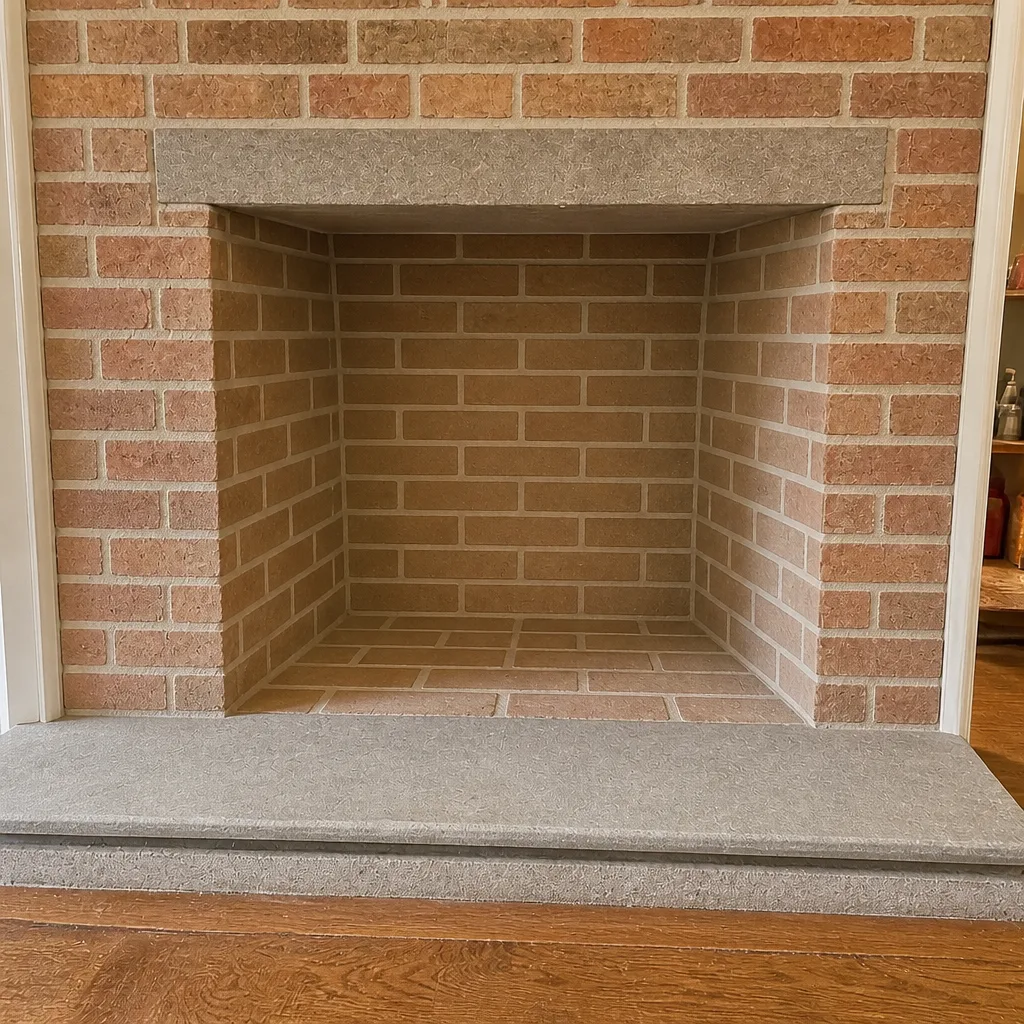
See the difference
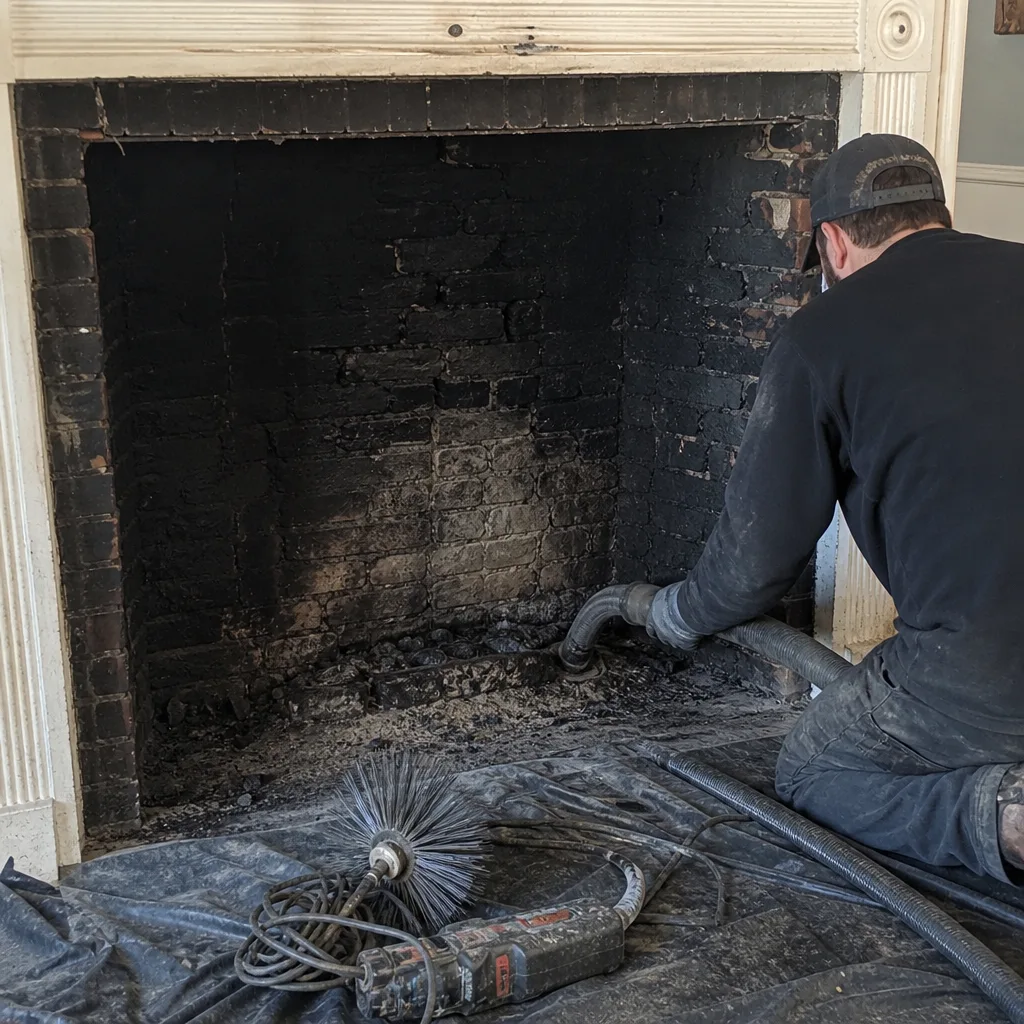 Before
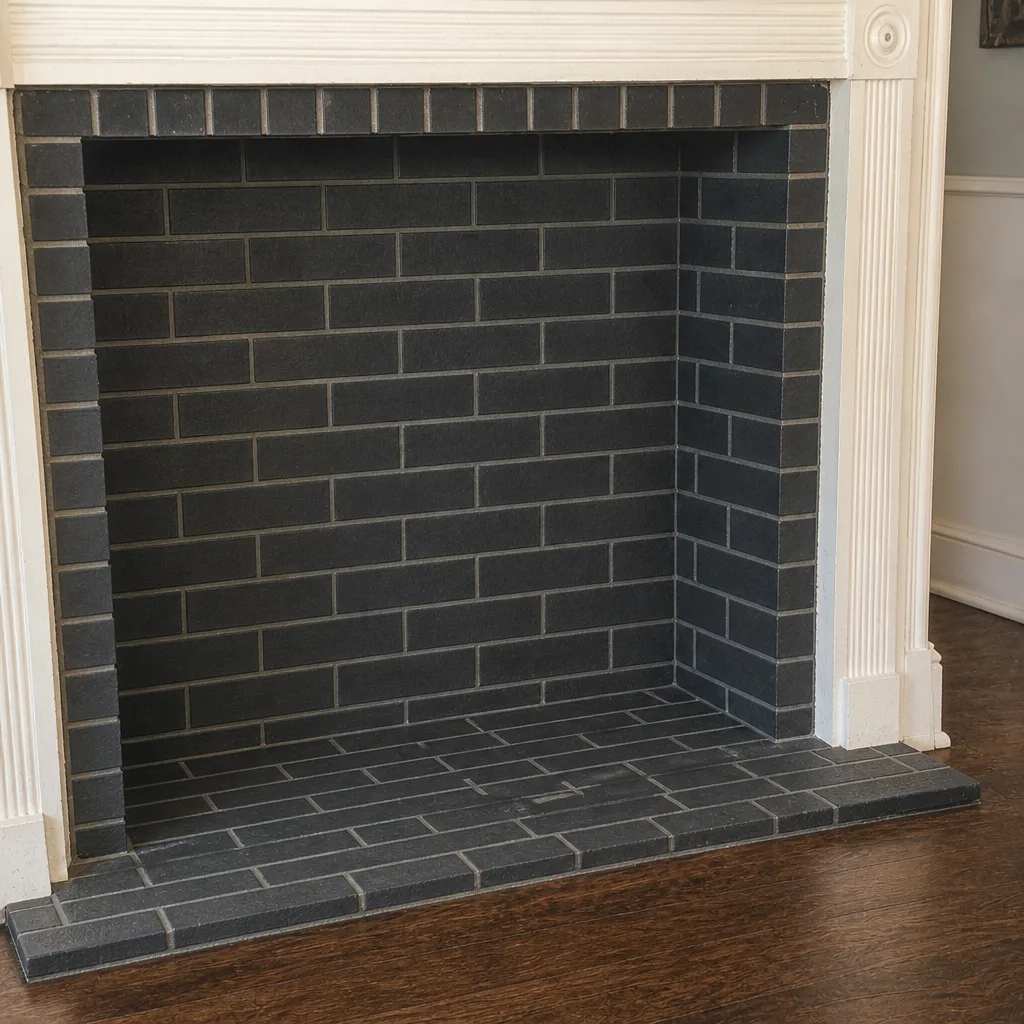 After
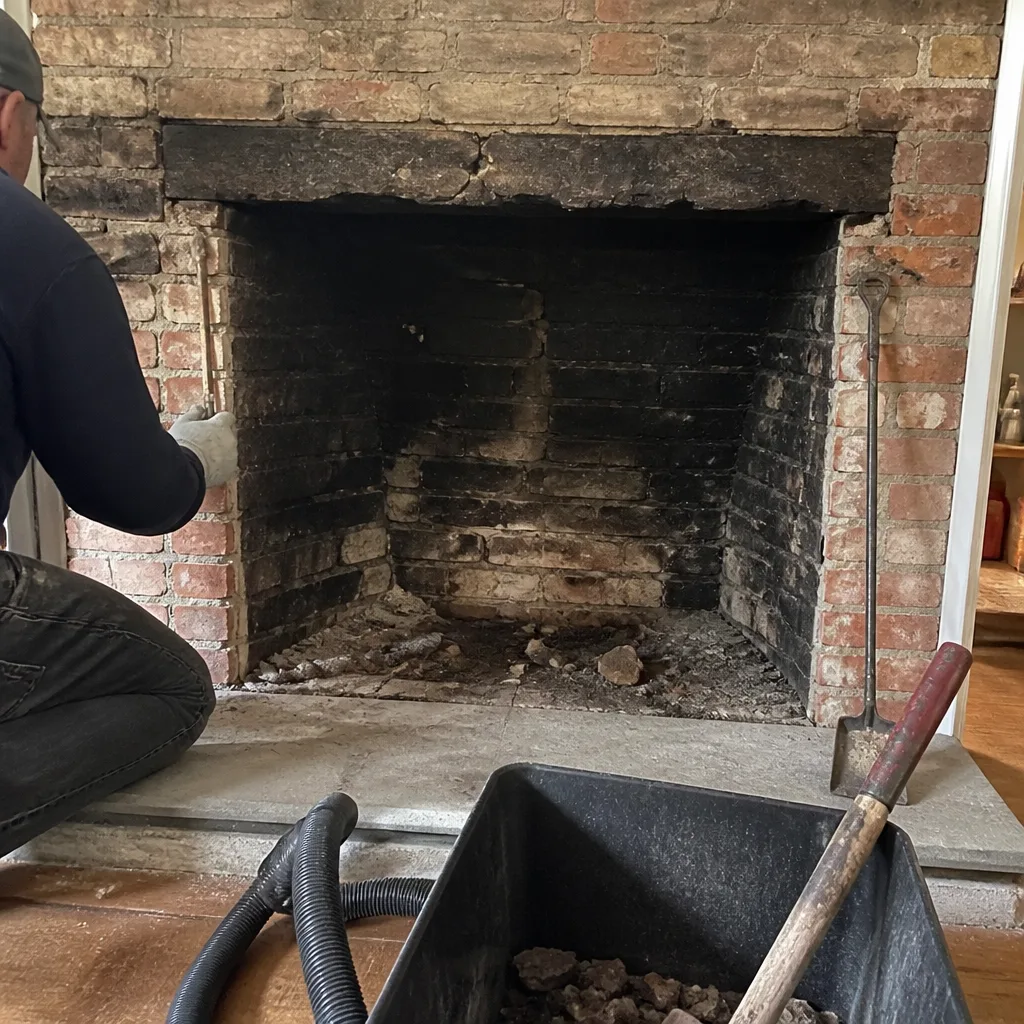 Before
 After
 Before
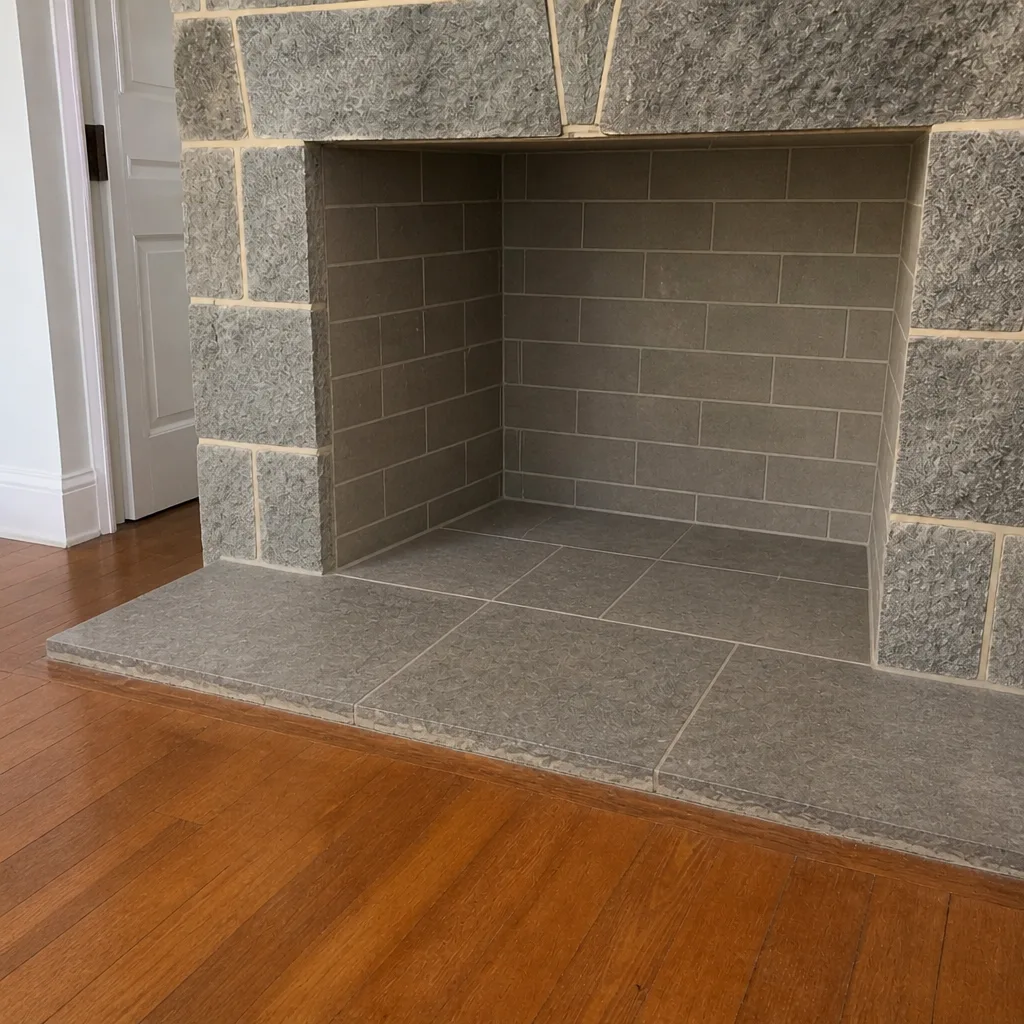 After
When to Call a Professional
The specific moments when a phone call is the right move aren’t philosophical. They’re concrete. Call a professional if you’ve had any chimney fire or suspect one, if you smell creosote in the house between burns, if the damper has stopped working properly, if you’re seeing cracked or spalled brick on the exterior stack or firebox, or if it’s simply been longer than you can remember since the last documented sweep. Call before you plan a season of fireplace use, not after the first cold evening when draft problems show up. And call if you’re considering a DIY roof-level job and the setup doesn’t feel boringly safe. Chimney Sweep Charlestown offers free estimates in Charlestown – call (877) 792-6155. We answer 24/7. Fast dispatch from 7am to 7pm, Sunday through Friday.
Frequently Asked Questions
You can safely remove light Stage 1 creosote, clear firebox debris, and check the damper. You can’t safely evaluate your flue liner, advanced creosote staging, or cap and crown integrity without a camera and training. DIY cleaning is a partial solution at best, and it produces no inspection record. Call (877) 792-6155 if you want to know where your chimney actually stands. Estimates are free.
The general rule is once a year for a regularly used fireplace, more often if you burn frequently or notice draft problems. Charlestown rowhouse chimneys tend to run smaller flue diameters than newer construction, and a smaller flue accumulates creosote faster. An annual sweep and inspection is the baseline, not a maximum. Call (877) 792-6155 to book one.
We don’t quote a single sweep price here because it depends on flue size, access, and whether the chimney has a wood insert or open firebox – the written estimate sets the price after a look. The comparison worth making isn’t kit price vs sweep price; it’s kit price vs sweep plus a documented inspection plus a professional assessment of your liner. That’s a different service. Call (877) 792-6155 for a free estimate.
Not necessarily. A deteriorated liner may be a candidate for HeatShield ceramic resurfacing, which rehabilitates the existing liner without a full tear-out. A corroded, offset, or undersized flue may need a DuraFlex flexible liner. The only way to know is a camera inspection. Nothing should be recommended to you without photographic evidence you can look at. Call (877) 792-6155 to book an inspection.
Creosote accumulates, and the risk is real: chimney fires start from creosote ignition, and a cracked liner allows carbon monoxide to reach the home. Skipping a sweep doesn’t cause these overnight, but it removes the layer of safety that catches them early. The camera inspection that comes with a professional sweep is what actually tells you whether the chimney is safe to use. Call (877) 792-6155 to schedule one.
It can complicate things. Buyers and their inspectors often ask for documented chimney maintenance, and a homeowner’s memory of a DIY sweep isn’t a document. A written inspection report from a professional is what actually answers the question. If you’re preparing to sell, or already under contract, call (877) 792-6155 to get documentation in hand before it becomes a closing item. Estimates are free.
The Bottom Line
DIY chimney care has a real place: firebox debris, damper checks, exterior observation, and hearth cleanup are all reasonable homeowner work. What DIY cannot do is see inside the flue, and that’s exactly where the dangerous conditions live. Charlestown’s rowhouse rooflines make the roof-level jobs more dangerous than the tutorials suggest, and undocumented cleaning leaves you without the record insurers and buyers want. A professional sweep combines the cleaning, the camera inspection, the written report, and – through HeatShield, DuraFlex, and Copperfield-grade materials – the ability to move from diagnosis to repair without handing you off. That’s the line. Call (877) 792-6155 for a free estimate. We answer 24/7, with fast dispatch from 7am to 7pm, Sunday through Friday. Or start with our Chimney Sweep Charlestown page if you’d rather see the full service lineup first.
Written by the team at Chimney Sweep Charlestown.