
Last updated November 25, 2026
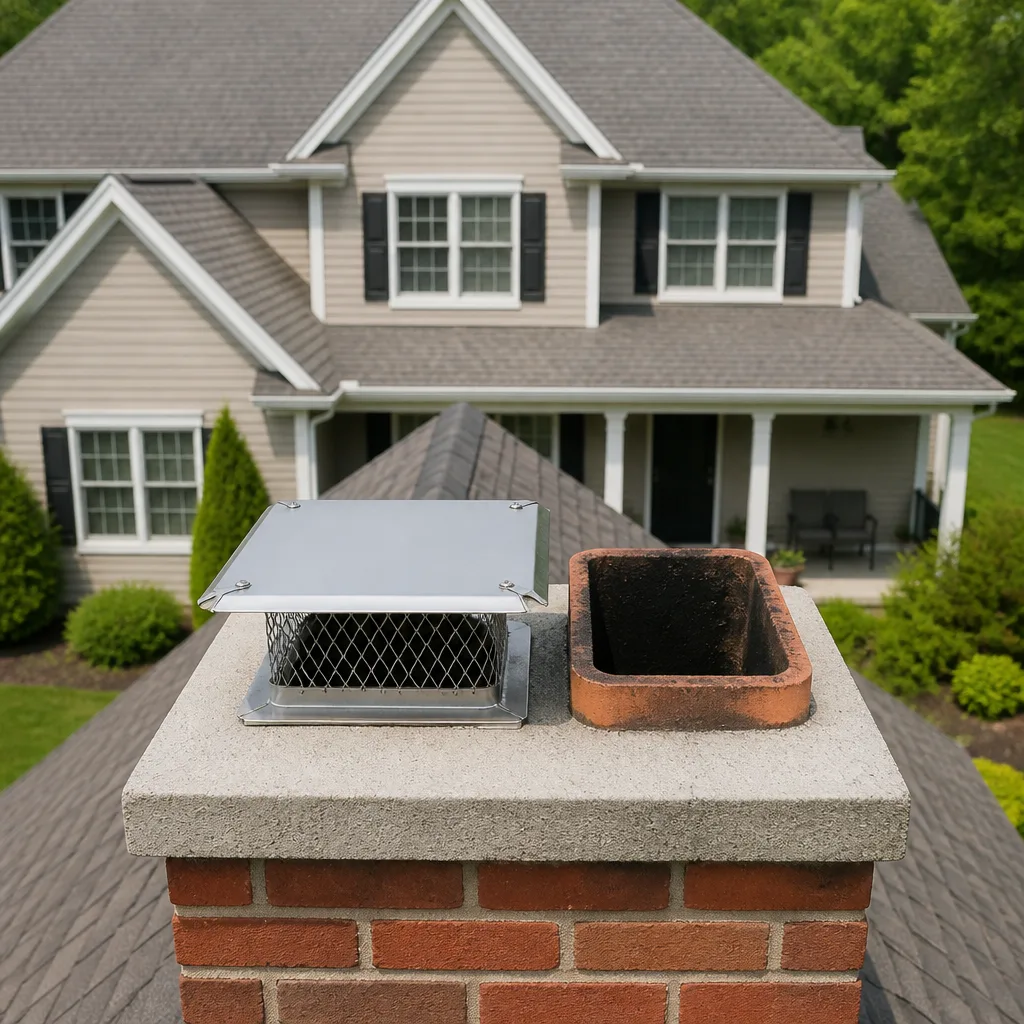 Sweep & inspection
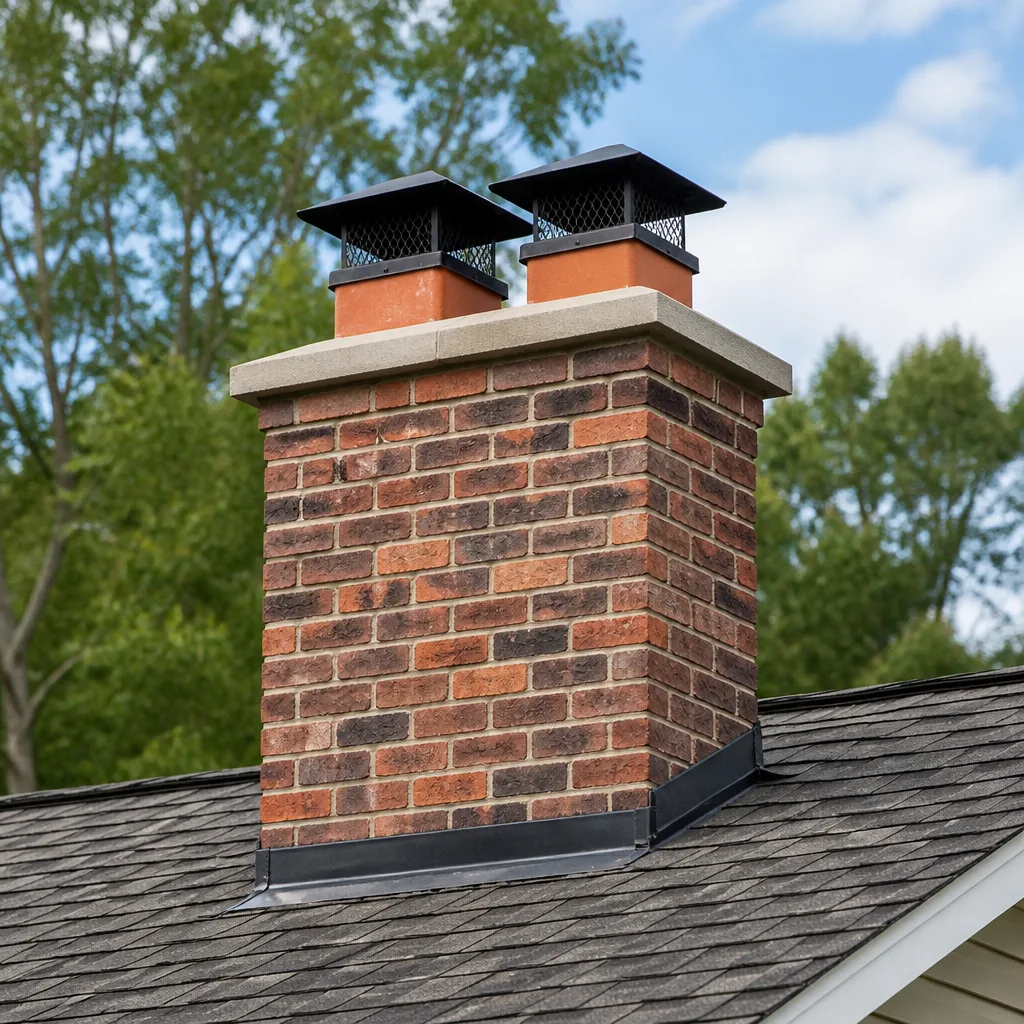 Caps & crowns
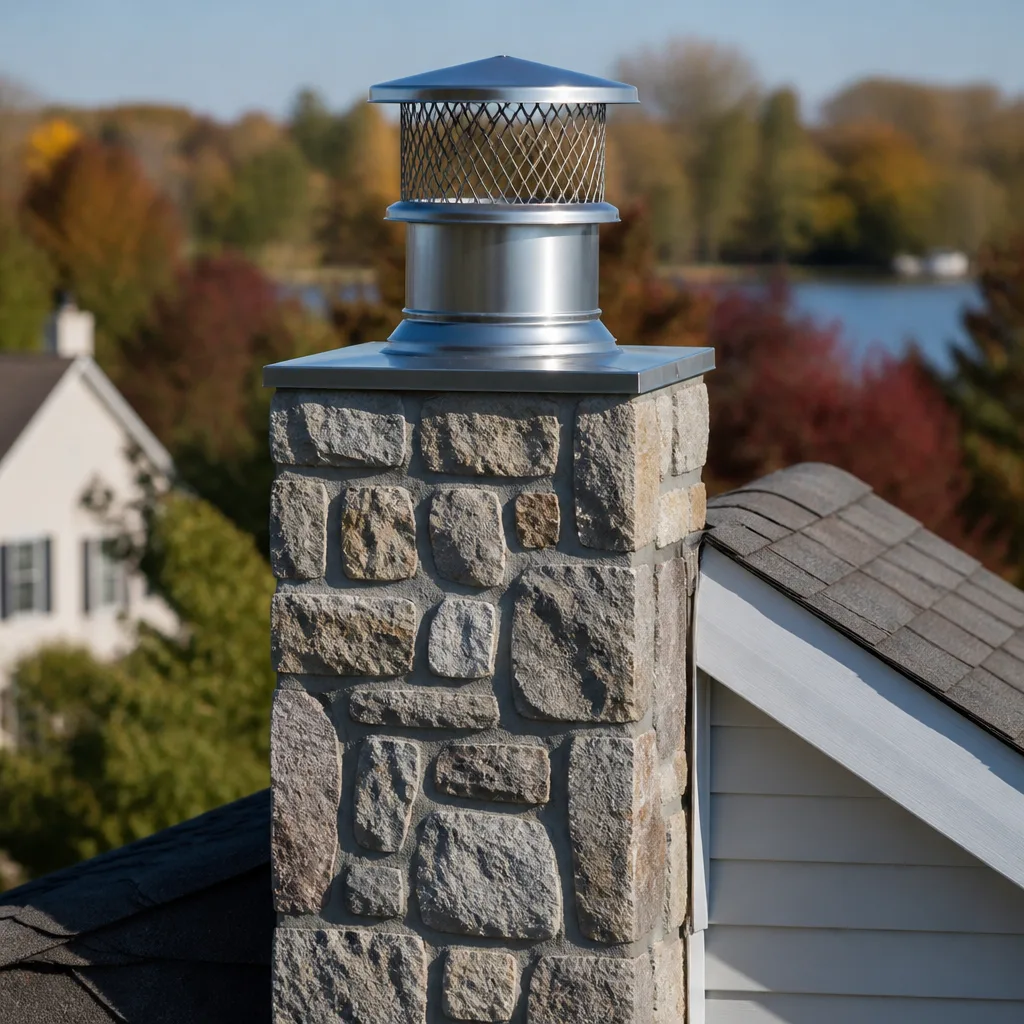 Flue relining
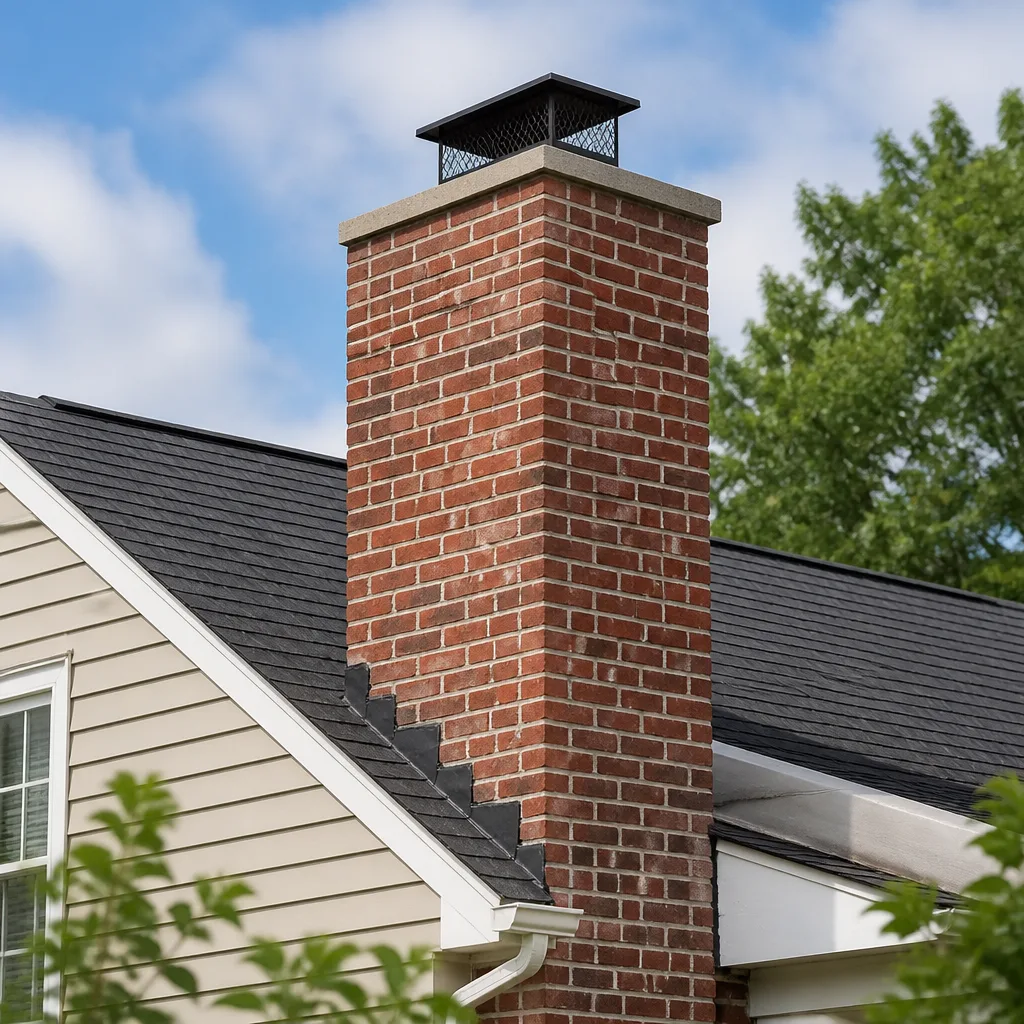 Masonry repair
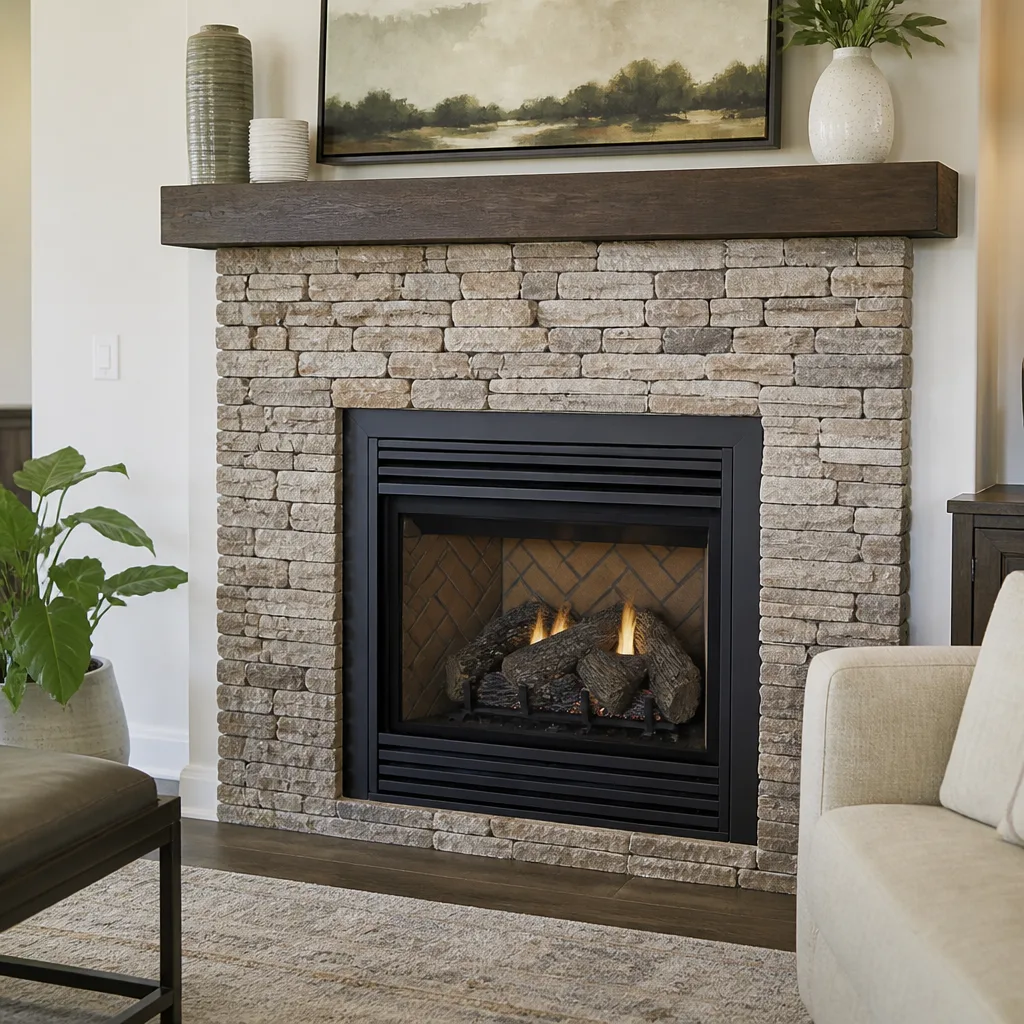 Gas fireplace service
Level 1 sweep and inspection to the NFPA 211 annual standard - flue, crown, cap, and flashing checked and photographed
Chimney sweep logs do not sweep chimneys. They loosen some creosote - which then falls where a brush and vacuum still have to collect it.
Seasonal Chimney Cleaning Care for Charlestown: Year-Round Homeowner’s Guide
Most chimney advice tells you to book a sweep before winter and call it done. That advice misses the two windows that actually decide whether your flue survives to next January. In our experience around Charlestown, the creosote that feeds a flue fire in deep winter started as a soft, sticky deposit the previous spring, and the cracked crown that lets meltwater into a liner usually opened during a single April freeze-thaw cycle. By the time a problem shows up as smoke in the room or a carbon monoxide alarm, the cheap fix has become the expensive one. This guide lays out a care calendar built around Charlestown’s shoulder seasons, mid-season checks, and off-season sealing, so you know what to do and when.
Quick Answer
In Charlestown, chimney care works best on a four-season rhythm: clean in late spring, after the heating season, to strip acidic creosote before humid summer air wets it; inspect and prep in fall, including animal exclusion and crown condition, before your first fire; monitor mid-winter for draft and smoke changes without opening the flue unnecessarily; and seal the damper and check mortar in the shoulder months. Two professional services anchor the year: a spring chimney sweep and a fall Chimney Sweep Charlestown inspection.
Styles & brands we work with
- Sweep & inspection
- Caps & crowns
- Flue relining
- Masonry repair
- Gas fireplace service
Table of Contents
- Why Charlestown’s Shoulder Seasons Matter More Than Winter
- Late Spring: The Cleaning Window Most Homeowners Skip
- Fall Preparation: The Pre-Fire Checklist
- Animal Exclusion and Summer Nesting Season
- Winter Mid-Season Monitoring: What to Watch
- Freeze-Thaw and Your Crown, Mortar, and Sealant
- Off-Season Damper Sealing and Wind-Exposed Rooflines
- Why Material Choice Changes the Repair Timeline
Why Charlestown’s Shoulder Seasons Matter More Than Winter
The chimney fires and carbon monoxide incidents that make Boston news in January are almost always the product of problems that were visible and fixable the previous April. That is the core idea of this guide, and it runs against the usual “clean before winter” habit. The real damage happens in the transitions: when the heating season ends and the flue sits wet and acidic through the humid months, and when the first cold snaps hit a crown that has been quietly degrading all summer.
Late March and early November are the two hinge points in Charlestown. In late March, you’re done burning, and whatever creosote is sitting on the flue walls has months of warm, damp air coming. In early November, you’re about to light the first fire, and everything that happened over the summer, from mortar cracks to a bird’s nest, needs to be cleared before a flame touches it.
Treat those two windows as the bookends of the year. A fireplace is a combustion appliance, and combustion appliances get scheduled maintenance, not reactive maintenance. Miss either window and you push the work into the season when it’s hardest to schedule and most likely to have already caused damage.
- Late March to mid-May: post-season cleaning and a look at what winter did.
- Late September to early November: pre-season inspection, animal exclusion check, and first-fire readiness.
- December through February: monitoring only; leave the flue assembly alone unless something changes.
- June through August: damper sealing and off-season moisture control.
Late Spring: The Cleaning Window Most Homeowners Skip
Spring cleaning is the single highest-value chimney task in Charlestown, and it’s the one most homeowners skip because the fireplace is already out of mind. Here is the reason it matters. Creosote is acidic, and when it’s dry it’s relatively stable. When summer humidity wets it, the acidity attacks the flue tile and mortar joints from the inside, and the deposit hardens into a glaze that is far harder to remove in fall than it would have been in May.
Cleaning in late spring removes the deposit before it ever has a chance to absorb moisture. It also gives you a clear look at what the winter left behind: cracked tile, loose mortar, a damaged damper, or a cap that took a hit from a late snow load. Finding those in May means you can plan the repair on your schedule instead of discovering them the week you want to light a fire.
What a proper spring sweep involves:
- Clear the firebox and protect the hearth and surrounding floor.
- Brush the flue from the top down or bottom up, depending on the setup, with the correct brush for the flue type.
- Vacuum with a HEPA-equipped unit so no dust enters the living space.
- Run a camera up the flue to check for tile cracks, offset joints, and heavy glaze.
- Document what was found with photos you can see yourself before any work is recommended.
That last step matters. A chimney inspection should tell you what’s wrong and what it costs to fix it, not hand you a vague warning about “liner work needed.” If a spring sweep in Charlestown turns up a problem, the estimate should be written and specific, and it should tell you plainly when a repair can safely wait until fall.
Fall Preparation: The Pre-Fire Checklist
Fall preparation is about confirming that nothing changed over the summer. In Charlestown, the weeks between Labor Day and the first cold night are when we see the most surprises: a cap knocked loose by a storm, a damper that won’t seat, a flue that now drafts poorly because something moved in. Run through this before the first fire, not after.
- Look at the cap and crown from the ground. A cap that’s tilted, missing, or clogged with debris needs attention. So does a crown with visible cracks or a crumbling edge.
- Confirm the animal exclusion device is intact. A cap screen that survived winter may not have survived nesting season.
- Open and close the damper to confirm it moves freely and seats properly.
- Check for debris in the firebox from summer, and check the smoke chamber for soot buildup.
- Schedule a professional inspection if you haven’t had one since the last heating season.
A chimney cap & crown repair done in the fall protects everything underneath it for the coming winter. When a cap is loose or a crown is cracked, rain and meltwater go straight into the flue. We specify the right materials for that repair, including Gelco and Olympia Chimney components where they fit the assembly, rather than whatever ships cheapest. Contractor-grade materials, properly installed, is the standard.
If you’re the type who wants a single call to cover both the sweep and the inspection, that’s the point of combining them in one visit, and one company covering it all is easier than coordinating separate contractors.
Animal Exclusion and Summer Nesting Season
Birds, squirrels, and raccoons treat an uncapped chimney as prime real estate, and Charlestown’s older rooflines have plenty of accessible flues. Nesting season runs through the warm months, which is exactly when the fireplace sits idle and nobody notices. By the time you try to light a fire in fall, the flue can be blocked, and a blocked flue is a carbon monoxide risk, not just a drafting problem.
The fix is a properly fitted cap with a screen that excludes animals without restricting draft. A cap is not a decorative topper; it’s a functional part of the venting system, and the wrong one can do more harm than none at all. This is where product familiarity matters. Gelco and Famco both make chimney caps and ventilation components, and fitting the right one to the flue size and the local wildlife pressure is what actually keeps animals out.
Fall is the check-up. Late spring is the installation window, when nesting is starting and you can get ahead of it. If you’re already booking a spring sweep, ask for the cap and screen to be checked in the same visit. Note that some older homes in Charlestown have multiple flues sharing one chimney, and each one needs its own cap or a single properly sized multi-flue cover so no opening is left exposed.
Winter Mid-Season Monitoring: What to Watch
During the heavy-use months, your job is monitoring, not maintenance. Don’t open the flue assembly to inspect it mid-winter unless something has changed. A mid-season check is about noticing the signs that mean it’s time to stop burning and call a professional, not about doing work yourself.
What to watch for during the burn season:
- Draft changes. If the fireplace suddenly smokes into the room where it never did before, stop using it and have the flue checked.
- Smoke smell in the house when the fireplace is not in use. That points to a damper or pressure problem worth diagnosing.
- A carbon monoxide alarm anywhere in the home. Treat it as a stop-burning signal and call.
- Visible creosote or soot buildup in the firebox or at the damper.
- Unusual odors, especially a strong, sharp smell that suggests heavy glaze forming.
None of these require you to climb a roof or open a flue in the middle of winter. They require a call. We answer 24/7, and a call outside dispatch hours is booked into the next opening, Sunday through Friday, 7am to 7pm. The monitoring itself is free, and it’s the cheapest part of the whole year’s care.
One caution while we’re here: flames, smoke, and creosote in a flue are genuinely dangerous, and if you suspect a blockage or a flue fire, stop using the fireplace and call a trained professional. Don’t test it by lighting another fire.
Freeze-Thaw and Your Crown, Mortar, and Sealant
Charlestown sits in coastal Massachusetts, and the freeze-thaw cycles here are harder on chimney crowns and mortar than what inland properties see. The pattern is simple: water gets into a hairline crack in the crown sealant, freezes overnight, expands, and pushes the crack open a little wider. Thaw it the next day and the water goes deeper. Repeat that cycle dozens of times over one winter and a cosmetic crack becomes a structural opening.
The crown and the upper mortar joints take the worst of it because they’re fully exposed to weather. Once the sealant has degraded, water migrates down into the flue and behind the brick, and the freeze-thaw cycle starts working on the joints from the inside. That’s the mechanism behind the liner cracks that show up in spring.
What to check, and when:
- In late fall, before the first hard freeze, look for cracks and missing sealant at the crown.
- In late spring, after the last freeze, look again and compare.
- If a crack has grown, have it assessed before the next winter cycle.
- If the crown is beyond sealing, a rebuild with the right mortar mix is the durable answer.
A heat-applied sealant or a properly rebuilt crown buys you years. The alternative is the liner repair that a failed crown eventually causes, which is a much bigger job. From annual sweep to full liner replacement, one call covers it, and that’s why a fall crown repair in Charlestown is often the cheapest money you’ll spend on your chimney all year.
Off-Season Damper Sealing and Wind-Exposed Rooflines
When the fireplace is off, an open damper is a hole in your roof. Charlestown’s wind-exposed rooflines make that worse: a windy summer flushes warm, humid air up the flue and pulls moisture into the chimney, and in winter it drives cold air down and steals heat from the room. An open damper during the off-season is one of the quietest causes of flue moisture we see in Charlestown.
Two approaches, and the right one depends on the chimney:
- Throat damper sealing works best on chimneys with a sound damper assembly and where access from the firebox is easy. A tight-fitting throat damper or a well-sealed custom cover blocks the up-draft.
- Top-mount damper works better on wind-exposed rooflines, chimneys with multiple flues, or where the throat damper is worn or missing. It seals at the top, closes the flue completely, and is less affected by wind pressure at the termination.
For a wind-exposed Charlestown roofline, the top-mount damper usually outperforms the throat damper because the seal sits at the point of highest pressure and it prevents both the summer up-draft and the winter down-draft. It also pairs well with a proper cap, and Olympia Chimney makes components that fit this kind of assembly. Ask for the two options to be quoted side by side so you can see the difference.
Why Material Choice Changes the Repair Timeline
When a repair comes up, the material choice determines how long it lasts and how disruptive the job is. The most common surprise in Charlestown is being told a full liner replacement is the only option when a resurfacing will solve the problem. HeatShield ceramic resurfacing rehabilitates a deteriorated flue without a full tear-out, and it’s a repair option most generalist cleaners can’t offer because it requires product-specific training and application.
When a full reline is genuinely needed, for example on a corroded, offset, or undersized flue, a flexible liner system is the standard answer. DuraFlex handles that job, and it’s a different class of work from cleaning. The distinction matters for the homeowner:
- HeatShield for resurfacing and rehabilitating a flue liner that’s still structurally sound.
- DuraFlex for full relining of a flue that can’t be restored.
- Gelco, Famco, Olympia Chimney for caps, covers, and ventilation components.
The point is that the material should match the finding, not the other way around. Nothing should be recommended without camera evidence you can see for yourself, and you should be told plainly when a repair can wait. We won’t push a tear-out when a resurface fits, and we won’t resurface a flue that’s too far gone.
Common Mistakes to Avoid
- Skipping the spring sweep. Cleaning in the fall after a summer of acidic moisture is much harder than cleaning in May, and harder to remove means more expensive.
- Leaving the damper open all summer. On a wind-exposed Charlestown roofline, it pulls humid air straight into the flue for four months.
- Ignoring a hairline crown crack in spring. One more freeze-thaw cycle can turn a sealing job into a rebuild.
- Trusting a cap without checking the screen. Animal exclusion that survived winter may not have survived nesting season.
- Opening the flue in mid-winter “just to look.” Watch for changes instead, and call a professional if draft or smoke changes.
- Accepting a liner repair quote with no camera evidence. You should see the defect on the inspection report before you commit to the work.
- Using hardware-store parts on a chimney. Contractor-grade components are the reason a repair lasts more than a season.
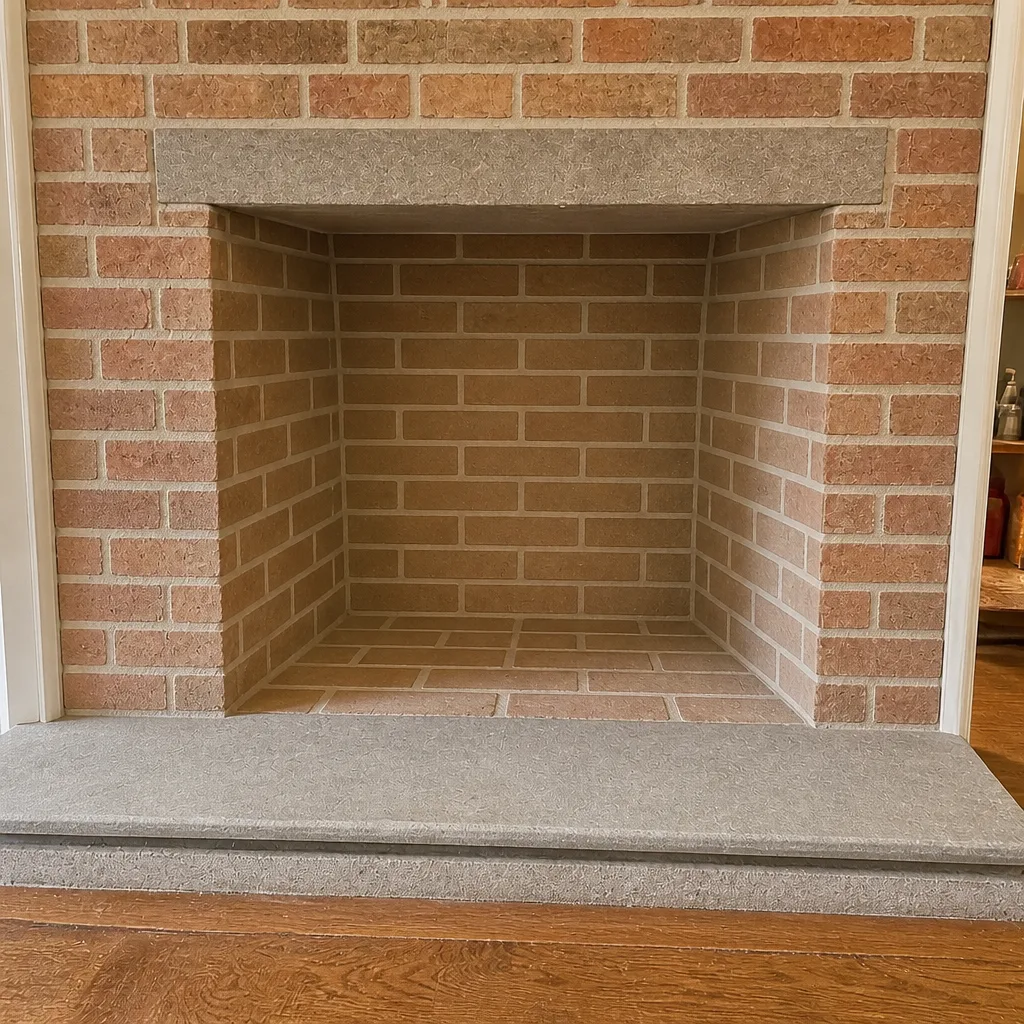
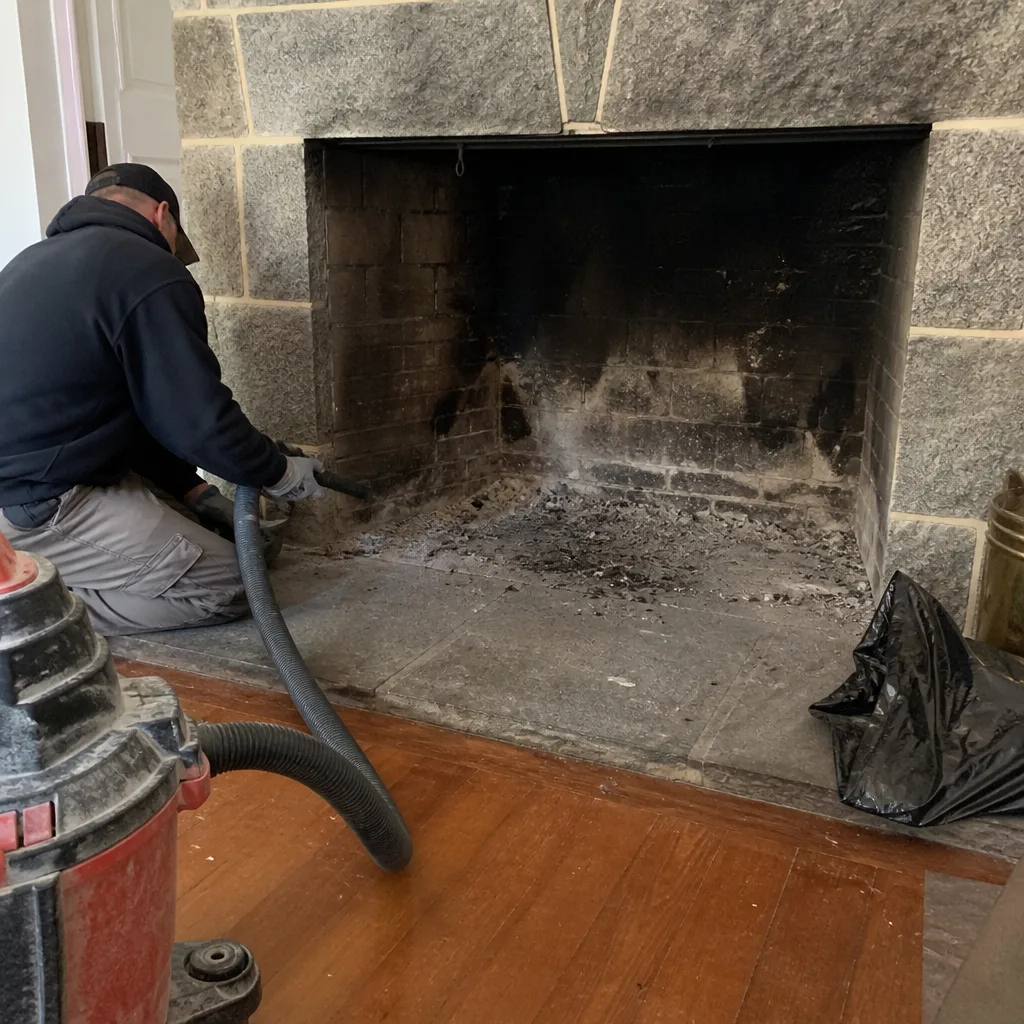
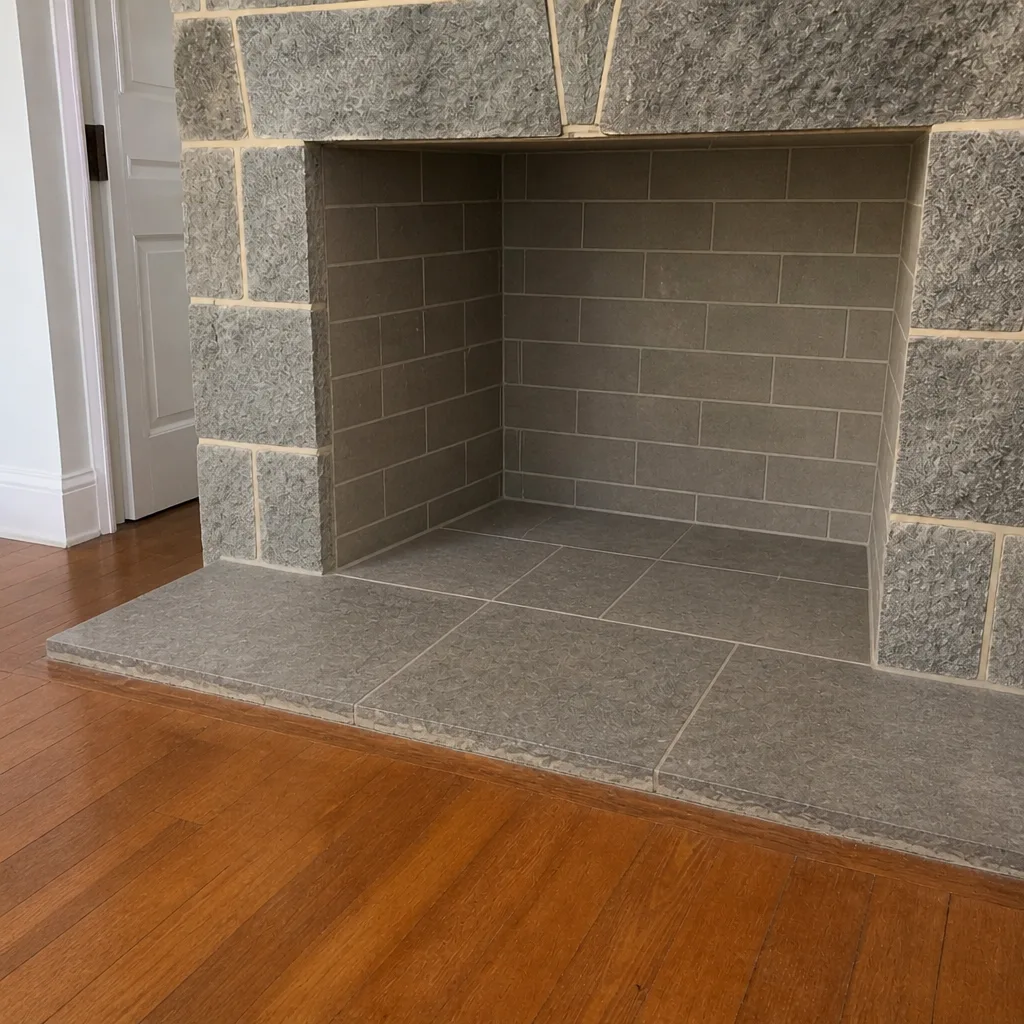
See the difference
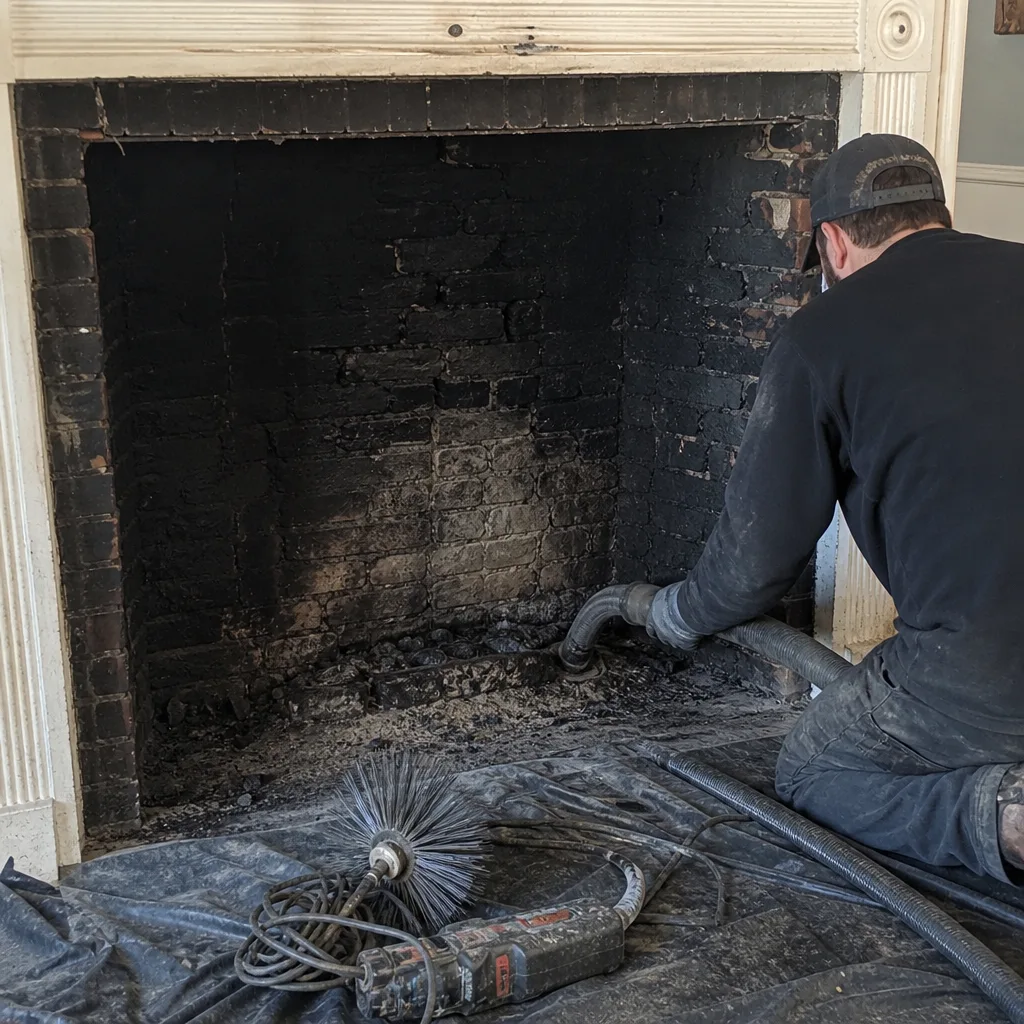 Before
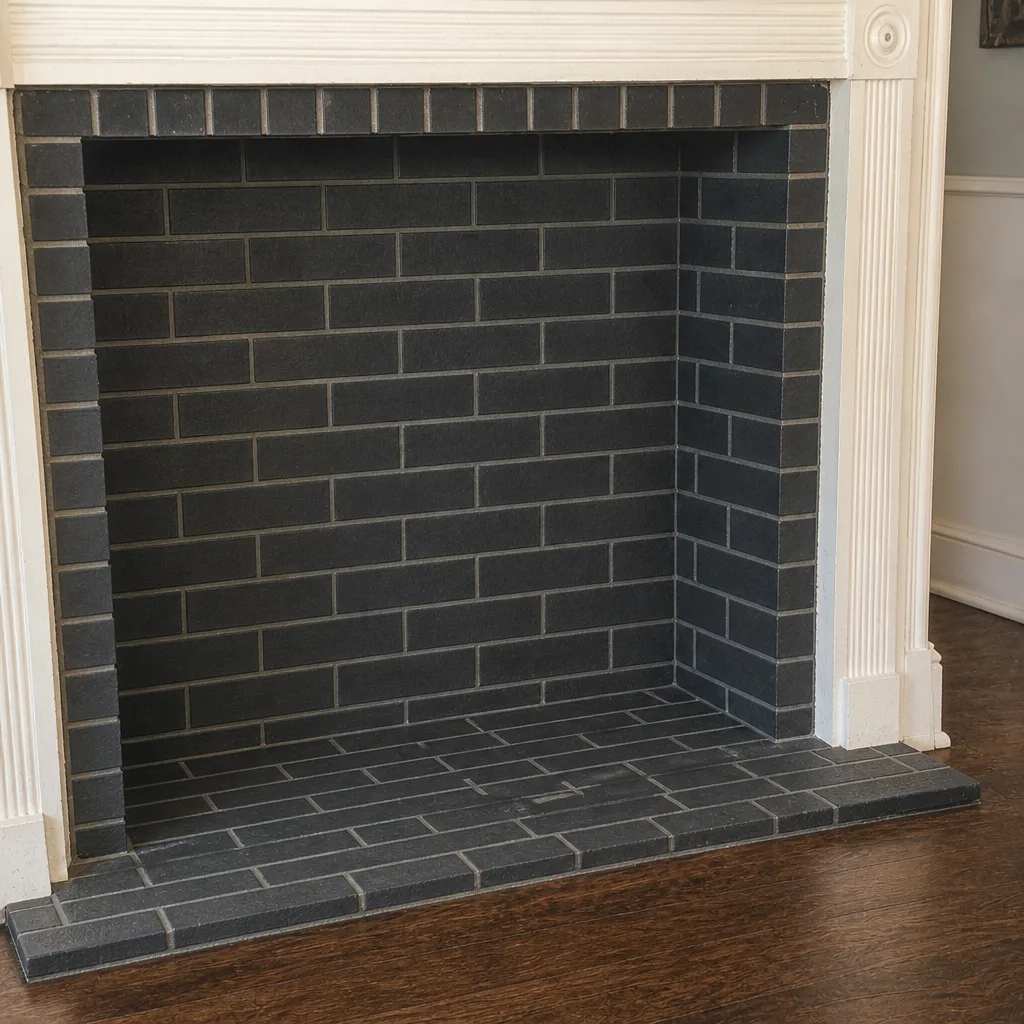 After
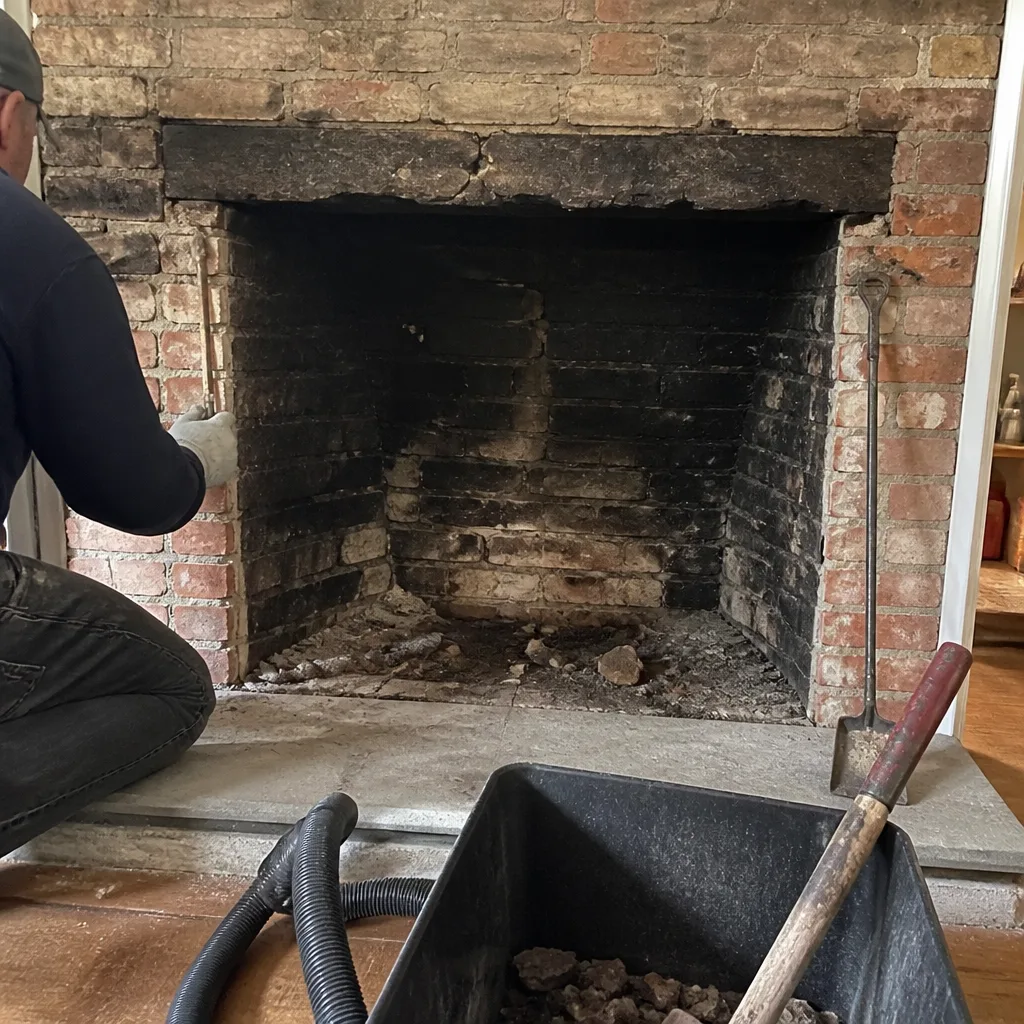 Before
 After
 Before
 After
When to Call a Professional
Call a professional when it’s time for your late spring sweep or your fall inspection, which is most of the time. Call sooner if smoke backs into the room, a carbon monoxide alarm goes off, the damper won’t close, or you see clear creosote buildup in the firebox. Call before you light the first fire of the season if your cap is loose or a flue has been unused for a year. Those are the moments when a professional camera inspection and a written estimate are worth more than any home check. Chimney Sweep Charlestown offers free estimates in Charlestown. Call (877) 792-6155, or use the fireplace repair page if the issue is inside the firebox. The written estimate sets the final price, and the inspection should tell you what’s wrong and what it costs to fix it in the same visit.
Frequently Asked Questions
Once a year is the standard, and in Charlestown the best time is late spring, after the heating season. Cleaning in May removes acidic creosote before summer humidity wets it and hardens it. If you burn more than a couple of cords a year, or you notice heavy buildup, have it checked mid-winter too. Call (877) 792-6155 for a free estimate.
Spring cleaning strips the deposit before it absorbs summer moisture and turns into hard glaze. Fall cleaning is still useful, but it’s cleaning a deposit that has had a whole humid season to set. A spring chimney sweep plus a fall inspection is the year’s real pattern, not one fall visit.
Look at it from the ground in early fall, then confirm the screen is intact, not just the cap shell. Animal exclusion fails at the screen long before it fails at the cap. If you can’t see it clearly, have it checked in the fall inspection. Call (877) 792-6155 to book one.
Freeze-thaw cycles. Water gets into a hairline crack, freezes, expands, and pushes the crack wider each cycle. Coastal Massachusetts sees more of these cycles than inland, which is why a crown sealant check in late fall and a re-check in late spring matters here. Call (877) 792-6155 to have a crown assessed before winter.
On wind-exposed rooflines, chimneys with multiple flues, or where the throat damper is worn. A top-mount seals at the point of highest wind pressure, which is usually the right answer for a Charlestown roof with no windbreak. Ask for both quoted side by side and decide with the numbers in front of you.
Sometimes, yes. If the camera inspection shows a flue that is deteriorated but still sound, resurfacing can be scheduled in spring without danger, and we’ll tell you plainly when that’s the case. If the inspection shows a crack that compromises the flue, don’t wait. Call (877) 792-6155 for an inspection and a written estimate.
The Bottom Line
The year-round pattern for a Charlestown chimney is simple: clean in late spring, inspect and prep in fall, monitor through winter without opening the flue, and seal the damper through the off-season. The two shoulder seasons do most of the preventive work, and the expensive repairs are almost always the ones that were visible in April and ignored. We answer 24/7 with fast dispatch from 7am to 7pm, Sunday through Friday, and we close Saturday. If you want the whole year planned in one call, we’ll lay it out in writing. Call (877) 792-6155 for a free estimate in Charlestown and we’ll build the schedule from there.
Written by the team at Chimney Sweep Charlestown.