
Last updated November 25, 2026
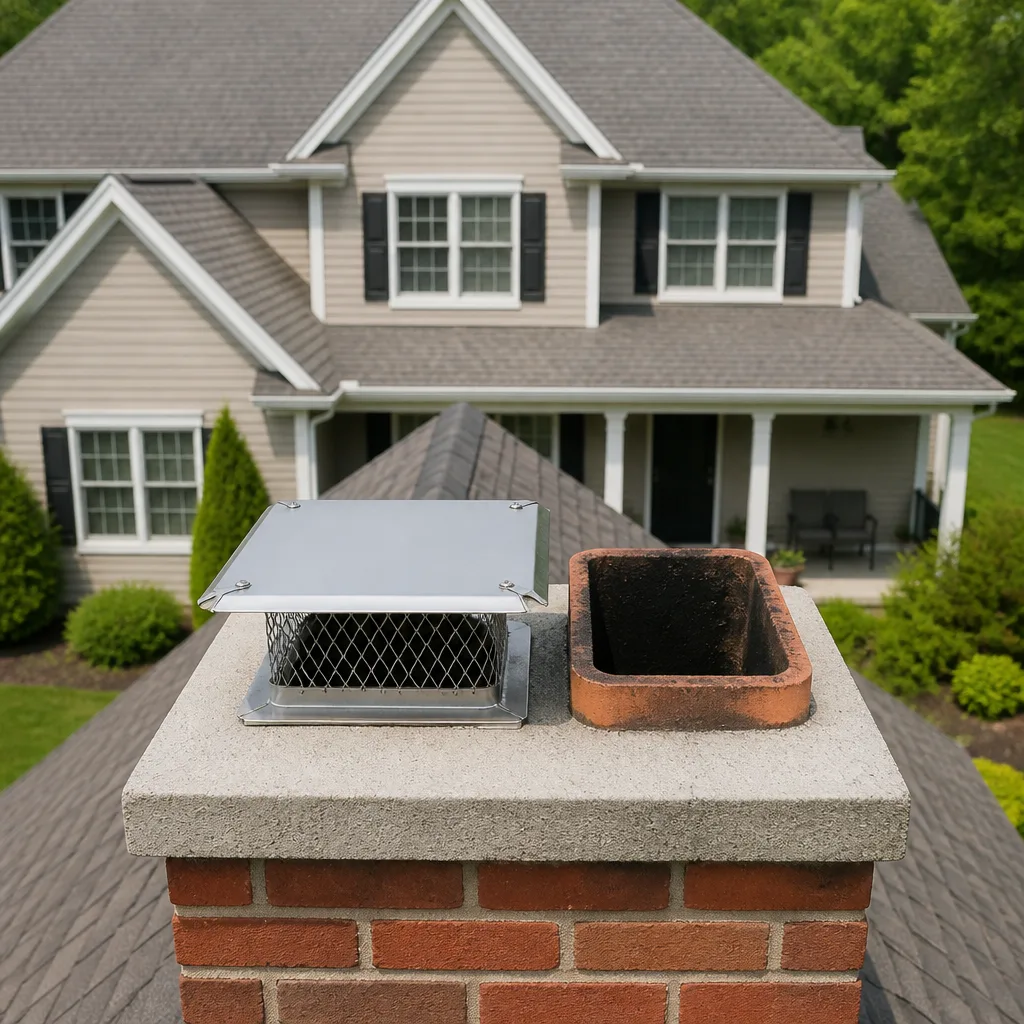 Sweep & inspection
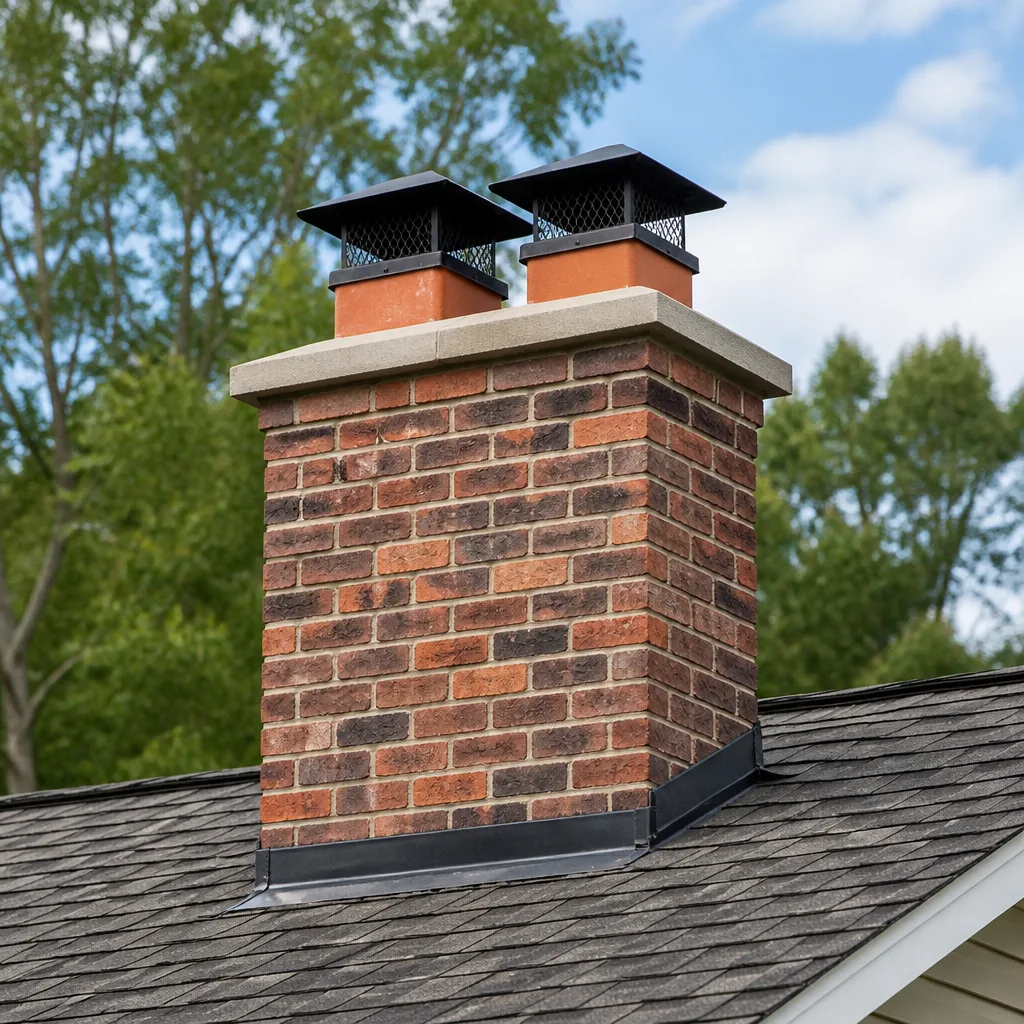 Caps & crowns
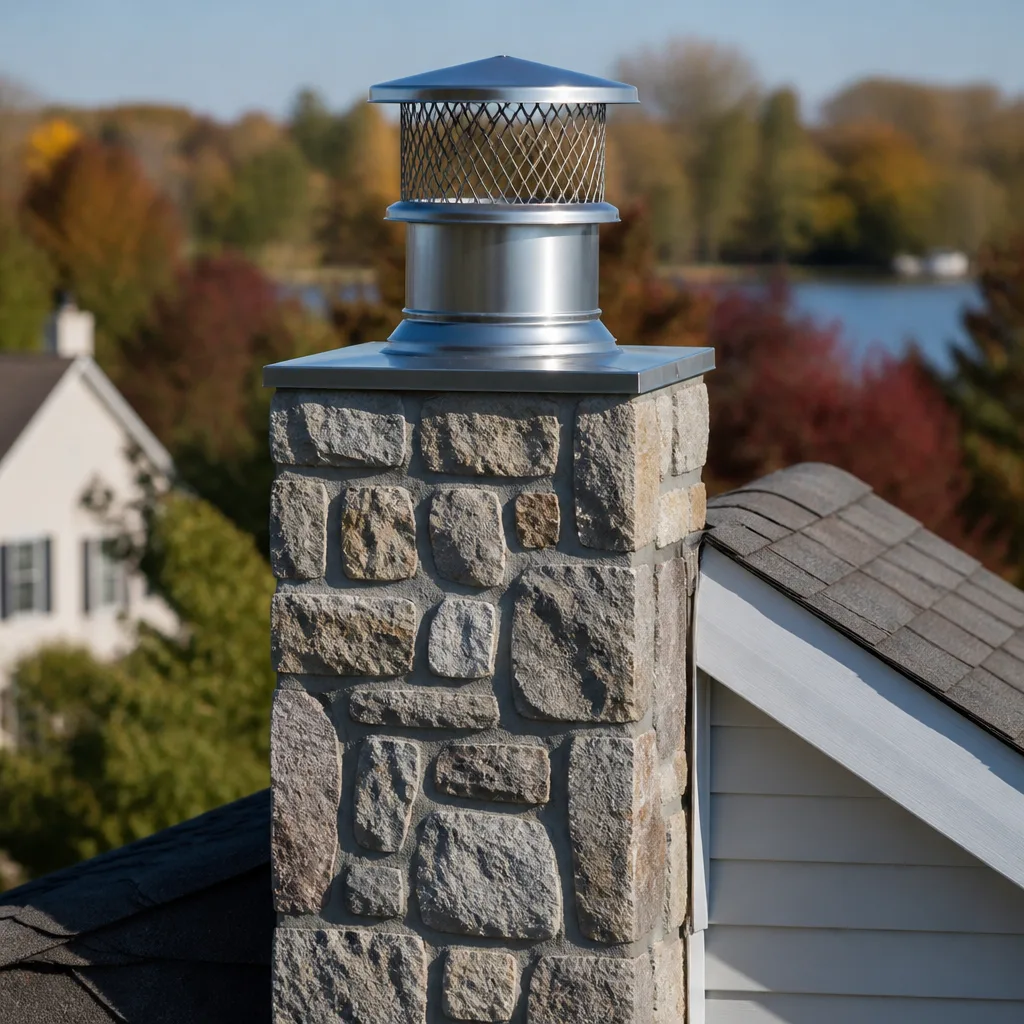 Flue relining
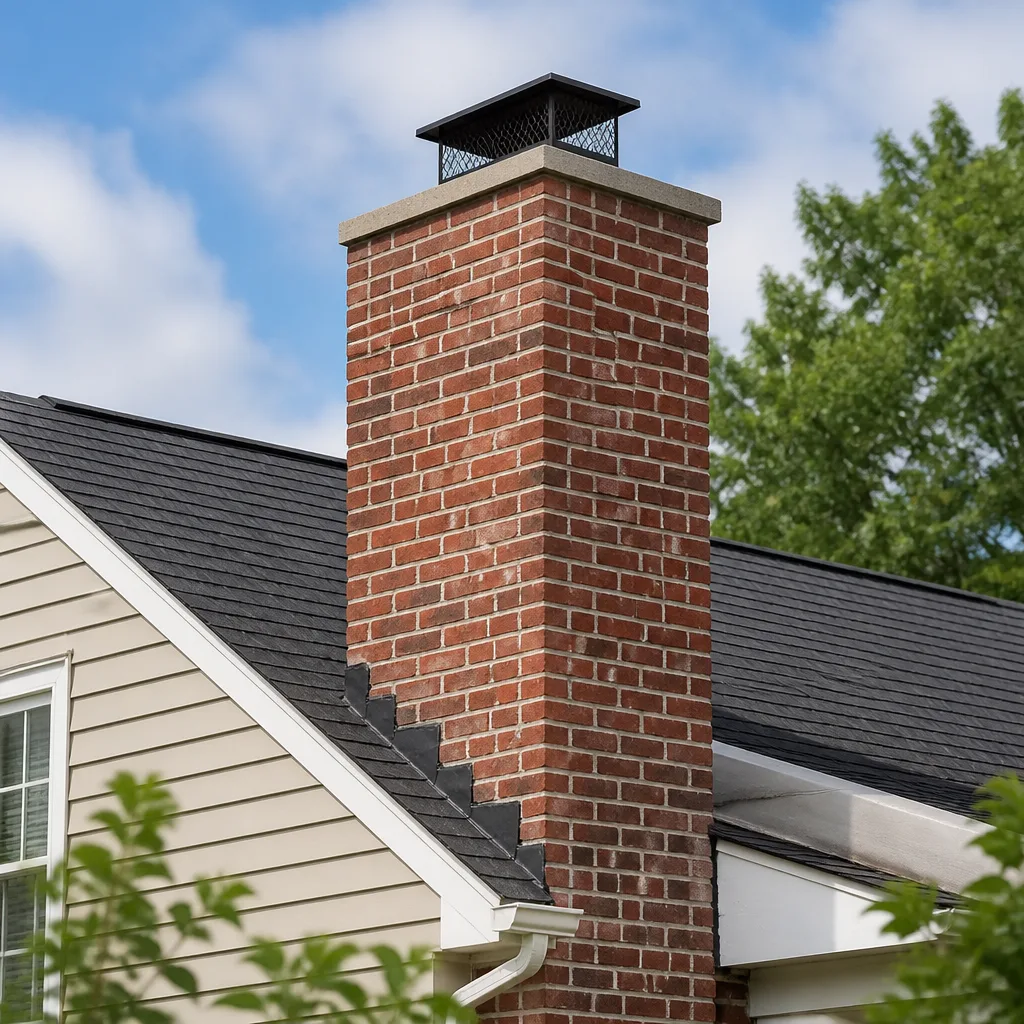 Masonry repair
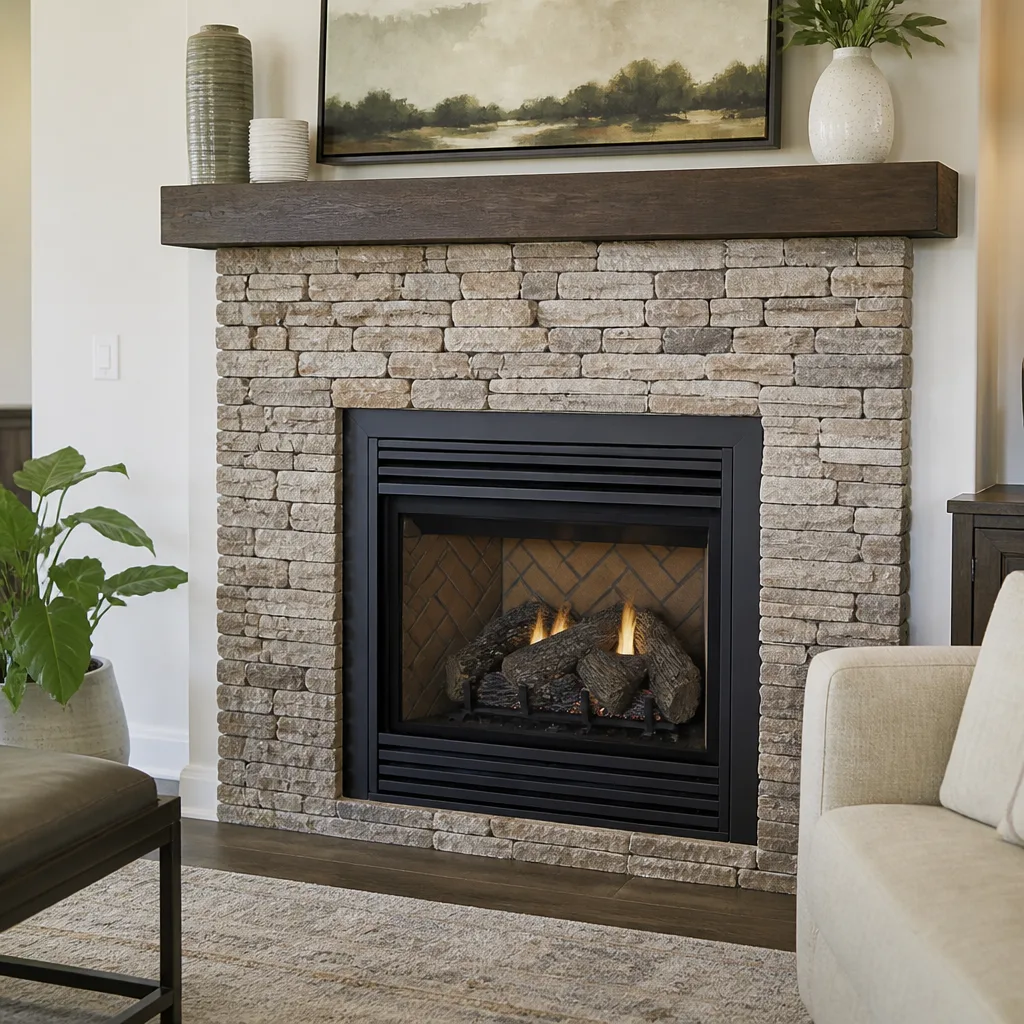 Gas fireplace service
Level 1 sweep and inspection to the NFPA 211 annual standard - flue, crown, cap, and flashing checked and photographed
Chimney sweep logs do not sweep chimneys. They loosen some creosote - which then falls where a brush and vacuum still have to collect it.
The Complete Guide to Chimney Cleaning in Charlestown
A surprising number of Charlestown rowhouses were built with a single flue serving fireplaces stacked on multiple floors. That one structural fact changes almost everything about how a sweep should be done here, yet most cleaning guides never mention it. A shared or stacked flue doesn’t just mean more than one fireplace feeds the same channel; it means the sweep has to think about draft, sequencing, and cross-contamination between floors before a single brush goes up. In this guide we’ll walk through what chimney cleaning actually involves in Charlestown’s Federal-era and converted rowhouse stock, how Boston Harbor’s damp air affects mortar joints between cleanings, how creosote staging decides whether a rotary brush or a standard brush is the right tool, and what a properly documented job should leave in your hands when it’s done.
Quick Answer
Chimney cleaning in Charlestown means removing creosote, soot, and blockages from a flue that was often designed to serve more than one fireplace, then inspecting that flue for the mortar erosion and liner wear that damp harbor air accelerates. A professional sweep cleans the full run, documents the flue’s condition with photos and a written report, and tells you plainly what needs fixing now versus what can wait. The cleaning itself is routine. Reading the result correctly in a Charlestown rowhouse is where the real skill sits. Call Chimney Sweep Charlestown at (877) 792-6155 for a free estimate.
Styles & brands we work with
- Sweep & inspection
- Caps & crowns
- Flue relining
- Masonry repair
- Gas fireplace service
Table of Contents
- Why Charlestown’s Shared and Stacked Flues Change the Job
- How Harbor Air and Mortar Erosion Affect Your Flue Between Cleanings
- Creosote Stages and How They Decide the Cleaning Method
- What a Professional Chimney Cleaning Actually Involves
- Level I vs. Level II Inspections for Charlestown Homes
- What a Finished Job Should Leave Behind
- How Often You Need a Sweep in Charlestown
- From Cleaning to Repair: Caps, Crowns, and Liners
Why Charlestown’s Shared and Stacked Flues Change the Job
Walk through the older rowhouse blocks of Charlestown and you’re walking past buildings where a single masonry chimney stack often holds several flues side by side, and in some conversions a single flue was originally built to draw from fireplaces on two or three stacked floors. That configuration is the defining feature of chimney work here, and it’s the thing a generic cleaning guide will never tell you.
Here’s why it matters for a sweep:
- Draft is shared. When one flue serves fireplaces on multiple floors, the flue’s draft depends on the whole column. A blockage or heavy creosote load on a lower connection affects how the upper fireplace burns, even if you never use it.
- Cross-contamination is real. Soot and creosote from an upper-floor fireplace can drop down toward a lower connection during cleaning if the sweep doesn’t isolate the correct flue and work in the right order.
- Sequencing matters. A sweep has to identify which flue serves which fireplace before cleaning, then work from the top down or bottom up in an order that keeps debris contained. Getting that wrong means soot coming out of a fireplace you weren’t even cleaning.
- Access is tight. Converted multi-family buildings may have flue connections that were modified during a renovation. Original drawings don’t always match what’s actually inside the stack.
This is why we don’t treat a Charlestown cleaning as a quick brush-and-go. A proper chimney sweep here starts with mapping the flues: which fireplace connects to which channel, whether any flues terminate together, and whether a prior conversion left a connection that doesn’t behave the way the building’s age suggests it should. From there the cleaning can be sequenced safely. If your building has a shared flue and you’ve noticed one fireplace smoking while another burns fine, that’s exactly the kind of pattern this configuration produces, and it’s worth having looked at rather than guessed at.
How Harbor Air and Mortar Erosion Affect Your Flue Between Cleanings
Charlestown sits close enough to Boston Harbor that its air carries steady moisture, and that damp air has a documented effect on the mortar joints inside and outside a masonry chimney. Mortar is the softest part of a brick stack. It erodes first, and once a joint starts to recess, the brick above it loses support and the whole flue wall weakens from the inside out.
What that means in practical terms for a Charlestown homeowner:
- Mortar joints erode faster in damp air. The freeze-thaw cycles of a New England winter push moisture into joints that stay wet longer near the harbor. Each cycle widens the gap a little.
- The inside of the flue matters as much as the outside. Creosote and moisture combine to attack the flue’s inner mortar and, in an unlined chimney, the brick itself. A flue that looks fine from the roof can have recessed joints several feet down.
- An unlined or poorly lined flue is the weak point. Many older Charlestown chimneys were built without a clay tile liner or had one installed decades ago that has since cracked. Damp air finds those cracks.
- Cleaning is the moment to catch it. You can’t assess mortar condition from the ground. The sweep sees the flue walls during cleaning, and that’s when recessed joints, spalling brick, and liner cracks get documented.
In our experience, mortar erosion is the single most underreported problem in Charlestown chimneys because it’s invisible until something fails. When we find it, the fix isn’t always a full reline. Products like HeatShield let us resurface and rehabilitate a deteriorated liner without tearing it out, which is a repair option most generalist cleaners simply can’t offer. When the flue needs a full structural reline instead, a flexible system like DuraFlex handles corroded, offset, or undersized flues. Either way, the decision gets made on what the flue actually looks like, not on what a sales sheet says. From annual sweep to full liner replacement, one call covers it.
Creosote Stages and How They Decide the Cleaning Method
Creosote is the residue that condenses out of wood smoke as it cools on its way up the flue. It forms in three recognizable stages, and the stage determines which cleaning method will actually work. Using the wrong method on the wrong stage is one of the most common reasons a chimney isn’t really clean when the sweep leaves.
Stage 1: Sooty, Flaky Creosote
Stage 1 creosote is a light, dusty, flaky deposit that brushes off easily. It’s what you get from a well-run fireplace burning dry, seasoned wood with good draft. A standard poly brush removes it without drama.
Stage 2: Hard, Crusty Creosote
Stage 2 is a denser, crustier layer that clings to the flue. A standard brush will knock off the top layer but won’t fully clear the bonded crust. This stage usually calls for a rotary method, where a spinning head works the deposit off the flue wall with controlled pressure.
Stage 3: Glazed, Tar-Like Creosote
Stage 3 is the hard, shiny, tar-like glaze that fuses to the flue and won’t budge under a standard brush. It’s the stage that most increases chimney fire risk because the glaze fuels a hot, sustained burn. Stage 3 requires rotary cleaning with the right head, sometimes more than one pass, and it always warrants a close inspection afterward to confirm the flue wall is intact.
The stage isn’t something you can judge from a glance up the firebox. It depends on what wood has been burned, how the fireplace was run, and how well the flue drafted. Our technicians have up to 13 years of experience reading that difference, which is why the method gets chosen after the flue is assessed, not before.
How the Method Gets Chosen
- Assess the flue. Check draft, look at the deposit, and identify any offsets or transitions.
- Match the method to the stage. Standard brush for Stage 1, rotary head for Stage 2 and Stage 3.
- Work the full run. Clean from the top down or bottom up so debris is captured, not scattered into the firebox or the room.
- Re-inspect. Confirm the flue wall is clear and intact before calling the job done.
What a Professional Chimney Cleaning Actually Involves
A real cleaning is a sequence, not a single action. Here’s the process a credentialed sweep follows on a Charlestown chimney, in order.
- Set up containment. Drop cloths, a sealed firebox cover, and a HEPA vacuum at the firebox opening so no soot enters the living space.
- Map the flue. Identify which fireplace connects to which channel, especially in a shared or stacked flue. Confirm access points at both the firebox and the top of the stack.
- Assess the deposit. Determine the creosote stage and choose the cleaning method to match.
- Clean the flue run. Brush or rotary-clean the full length, capturing debris at the base.
- Clean the firebox and smoke shelf. The smoke shelf and damper area trap soot and are part of a complete cleaning.
- Clear the cap and screen. A clogged cap screen starves the flue of draft and lets smoke back into the room.
- Inspect the flue walls. Check for recessed mortar joints, cracked tiles, spalling brick, and any obstruction.
- Document and report. Photos, a written condition report, and a clear recommendation on what needs attention and what can wait.
That last step is not an add-on. It’s the reason a cleaning is worth doing with a specialist rather than a generalist. The cleaning removes what’s in the flue; the inspection tells you what the flue is doing and what it will need. If a fireplace repair is warranted, it gets quoted on the same visit rather than referred out.
Level I vs. Level II Inspections for Charlestown Homes
Chimney inspections come in three levels, and which one you need depends on the building, not just the chimney. Charlestown’s mix of single-family homes and converted multi-family rowhouses makes that distinction more relevant here than in most towns.
Level I Inspection
A Level I inspection covers the readily accessible portions of the chimney: the firebox, damper, and the visible flue from the firebox and from the top. It’s the standard inspection for an annual sweep on a single-family home whose chimney hasn’t been changed, damaged, or put into new service. Most regular maintenance customers in Charlestown will get a Level I as part of their sweep.
Level II Inspection
A Level II inspection adds a video scan of the entire flue interior and is appropriate when the chimney has changed. For Charlestown, that threshold matters in several common cases:
- Converted multi-family buildings. When a rowhouse was divided and fireplaces were added, capped, or connected differently during the conversion, the flue’s current configuration isn’t known without a camera. A Level II tells you what’s actually there.
- After a chimney fire. Any suspected chimney fire warrants a Level II before the fireplace goes back into use.
- Before a liner installation or a heating appliance change. You can’t size a liner without seeing the flue.
- When a property changes hands. A new owner has no history of what the flue has been through, and a camera scan establishes the baseline.
- After an earthquake or a major storm event affecting the stack.
The practical rule for Charlestown: if the building has been reworked, or if you don’t know the flue’s history, a Level II is the honest starting point. A Level I on a converted building can miss exactly the kind of offset or shared connection that defines the job. When you book, ask which level your situation calls for, and expect a clear answer.
What a Finished Job Should Leave Behind
When a chimney cleaning is done properly, you shouldn’t be left with a verbal “all good” and nothing more. You should have documentation you can look at, understand, and keep. Here’s what that looks like.
- Photos of the flue. Before-and-after shots of the flue interior, especially where deposits were heavy or the flue wall was assessed.
- A written condition report. The condition of the flue walls, mortar joints, cap, crown, and firebox, stated plainly.
- The creosote stage found. What was in the flue and how it was removed.
- A clear recommendation. What needs repair now, what can wait, and what to watch. If nothing needs fixing, say so.
- An estimate for any recommended work. Not a vague range, a written estimate tied to the documented condition.
This is where the inspection and repair capability under one roof makes a difference. A problem identified on inspection day can be quoted and scheduled immediately rather than referred out to another contractor who has to start from scratch. We specify the right product, whether that’s a HeatShield resurfacing, a DuraFlex reline, or an Olympia Chimney or Copperfield cap and component, not whatever ships cheapest. A chimney inspection should tell you what’s wrong and what it costs to fix it. We do both.
How Often You Need a Sweep in Charlestown
The standard guidance is to have your chimney swept and inspected once a year if you burn wood, and more often if you burn heavily or notice problems. In Charlestown, that annual rhythm lines up with the seasons: a cleaning before burning season starts means the flue is clear and assessed before the first fire, not after a winter of deposits.
Several factors push that toward “more often” in this city:
- Heavy use of an open fireplace. An open hearth sends more creosote up the flue than a sealed stove or insert, and the deposit builds faster.
- Damp wood. Wet or unseasoned wood produces more creosote and more moisture in the flue, which worsens mortar erosion in a damp-harbor climate.
- Shared and stacked flues. More than one fireplace feeding a flue means more deposit concentrated in one channel.
- Older masonry. A flue with existing mortar wear needs closer watching than a newer lined flue.
- Smoke or draft problems. If a fireplace smokes or burns poorly, that’s a signal to book sooner, not later.
If you’ve just moved into a Charlestown home and don’t know the chimney’s history, book a sweep and inspection before the first fire. It establishes a baseline you can rely on.
From Cleaning to Repair: Caps, Crowns, and Liners
Cleaning keeps the flue clear. Repair keeps it sound. In Charlestown’s older rowhouse stock, the two tend to come up together, because the same mortar erosion that shows up inside the flue also shows up at the crown and cap on top of the stack.
Caps and Crowns
The crown is the concrete or masonry top of the chimney that sheds water away from the stack. The cap is the cover over the flue opening that keeps rain, animals, and debris out while letting smoke escape. A cracked crown lets water into the masonry, which is the beginning of freeze-thaw damage. A missing or rusted cap lets water straight into the flue. Both are common in older Charlestown homes and both get assessed during a cleaning. We work with caps and components from brands like Olympia Chimney and Famco so the fit and material are right for the flue. Learn more about our chimney cap & crown work.
Liners
A cracked clay liner or an unlined flue needs attention before the fireplace goes back into heavy use. HeatShield resurfacing can rehabilitate a deteriorated liner without a tear-out when the damage is moderate. When the flue is corroded, offset, or undersized, a DuraFlex flexible liner handles the full reline. The right answer depends on what the flue looks like inside, which is exactly why the camera scan comes first.
What Can Wait
Not everything found on inspection is urgent. Minor surface mortar wear that isn’t affecting draft or structure is something to monitor, not to schedule immediately. Our job is to tell you the difference plainly, and to quote the repair when it’s actually needed, not to turn a cleaning into a sales visit.
Common Mistakes to Avoid
- Assuming one fireplace means one flue. In a converted Charlestown rowhouse, a single fireplace may connect to a flue that once served more than one connection. Have the flue mapped before the first cleaning, not after a smoking problem starts.
- Skipping the camera on a building with a history. A Level I inspection can miss an offset or shared connection in a reworked multi-family building. If the chimney’s been changed, ask for a Level II.
- Using a standard brush on glazed creosote. Stage 3 creosote won’t come off with a poly brush. Insist that the method matches the stage, and ask how the sweep assessed the deposit.
- Treating a cleaning as a cleaning only. A sweep that leaves no photos or condition report leaves you with no record of what’s happening inside the flue. The documentation is half the value.
- Ignoring mortar erosion because the fireplace burns fine. A flue can draft well and still have recessed joints that are one winter from a problem. The damp harbor air works on mortar regardless of how well the fire burns.
- Burning wet or unseasoned wood to save money. It produces more creosote and more moisture, which is the wrong trade in a climate that’s already hard on masonry.
- Putting off a sweep until there’s a draft problem. Draft problems are usually the late symptom. A sweep before burning season catches the deposit and the liner wear before they compound.
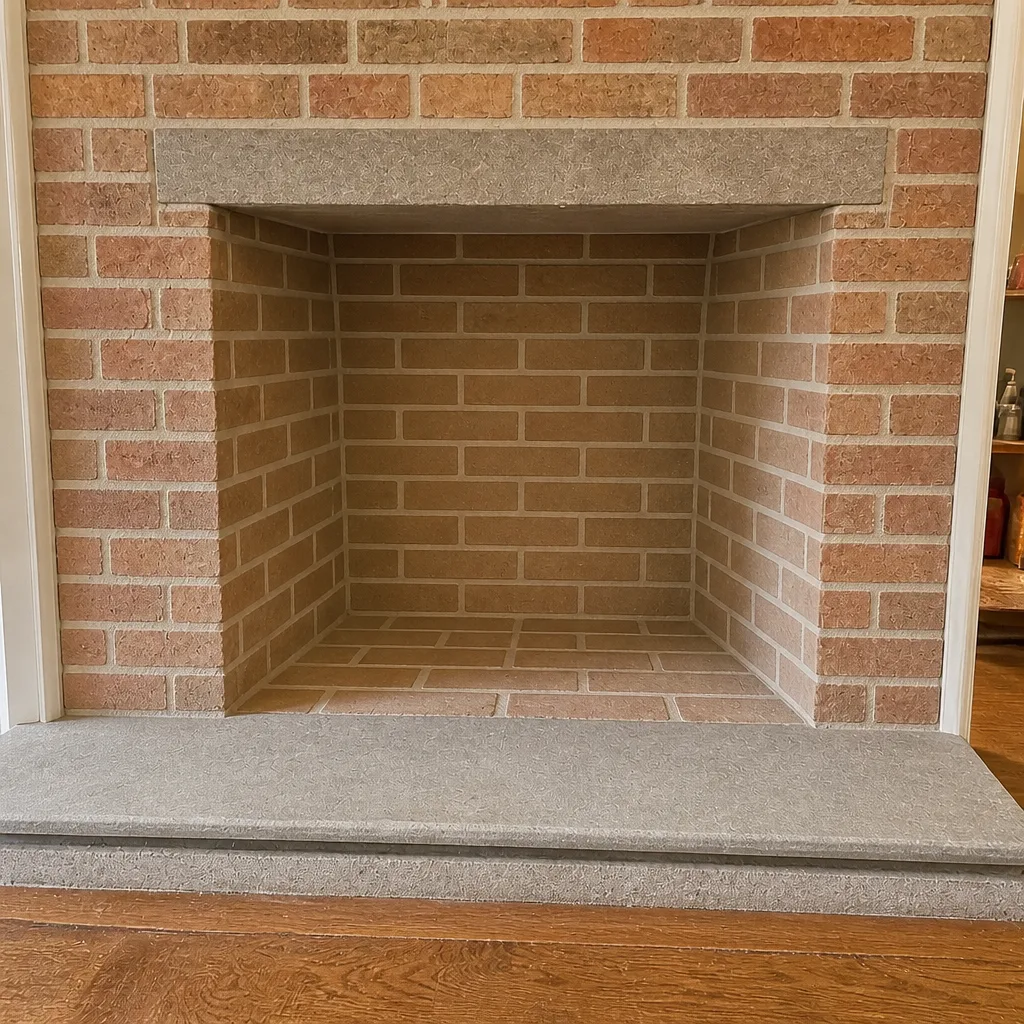
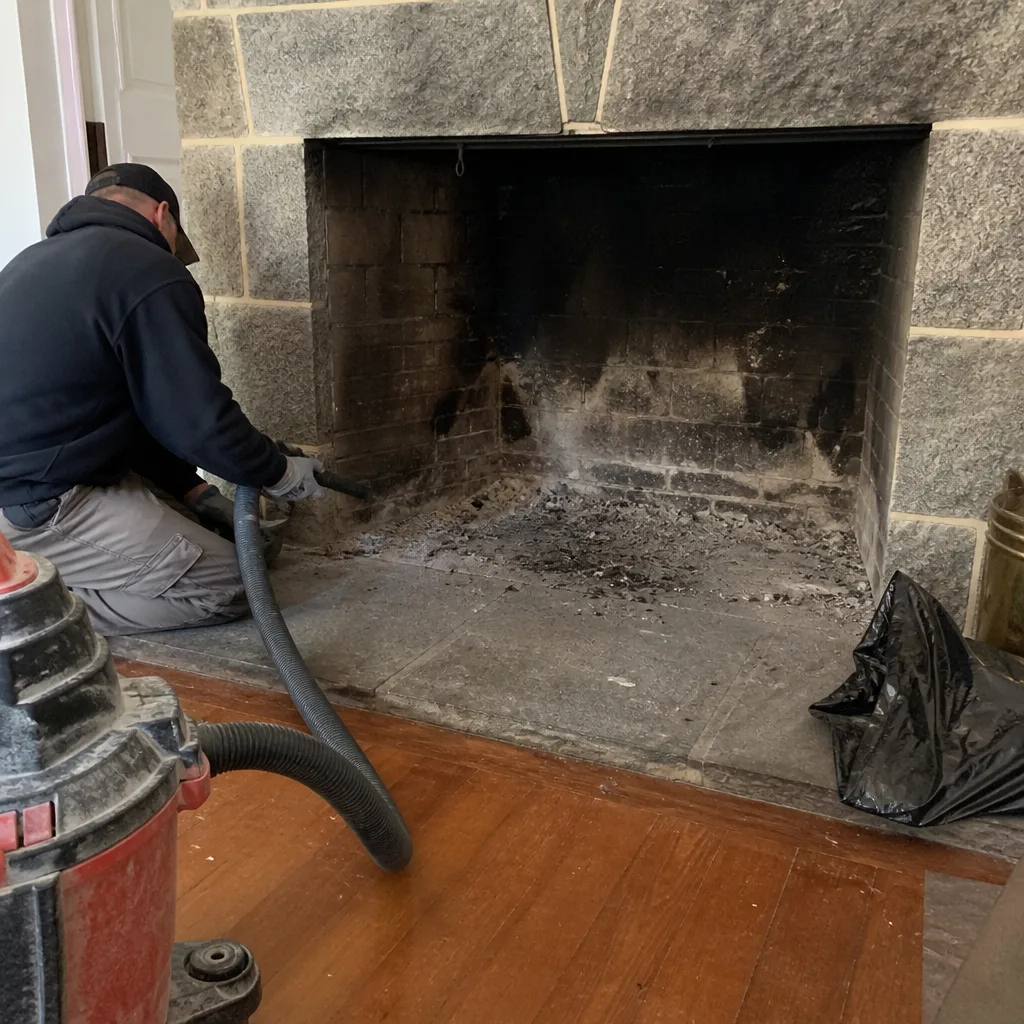
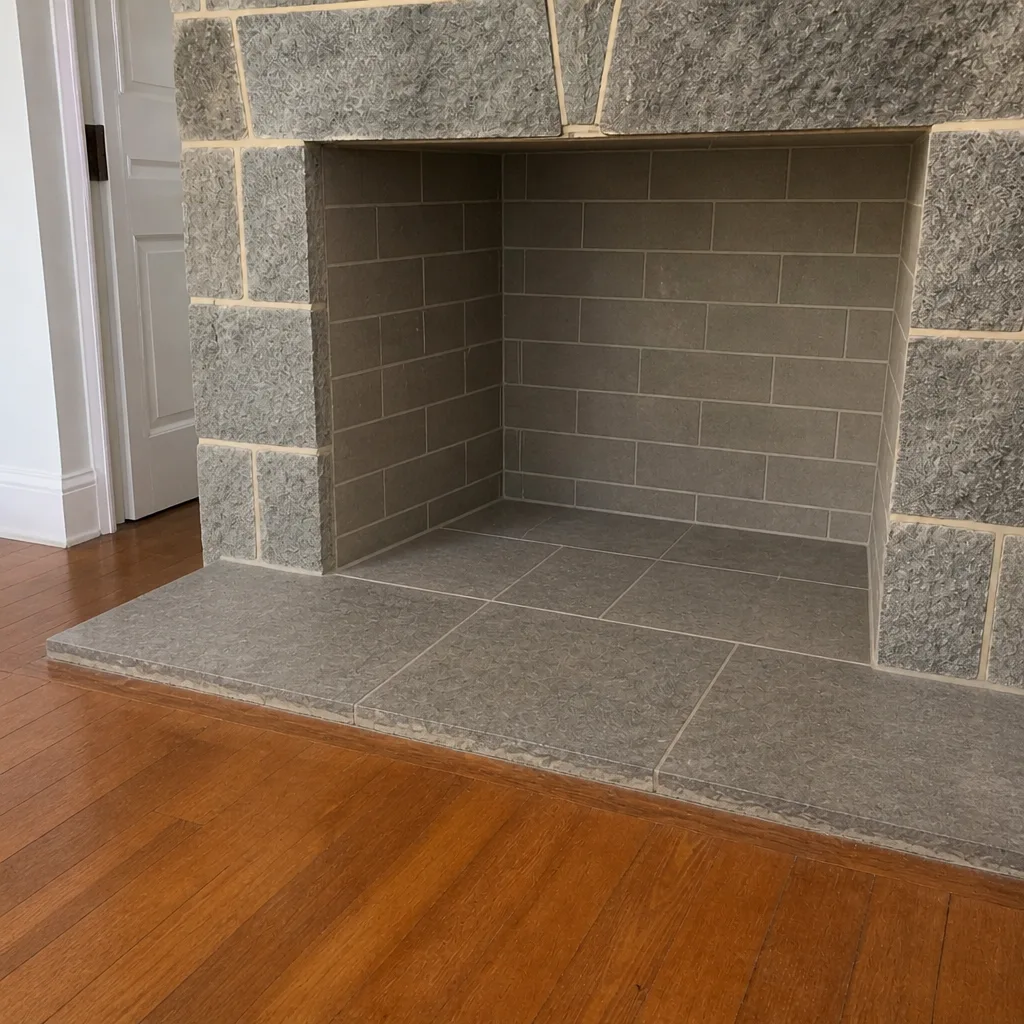
See the difference
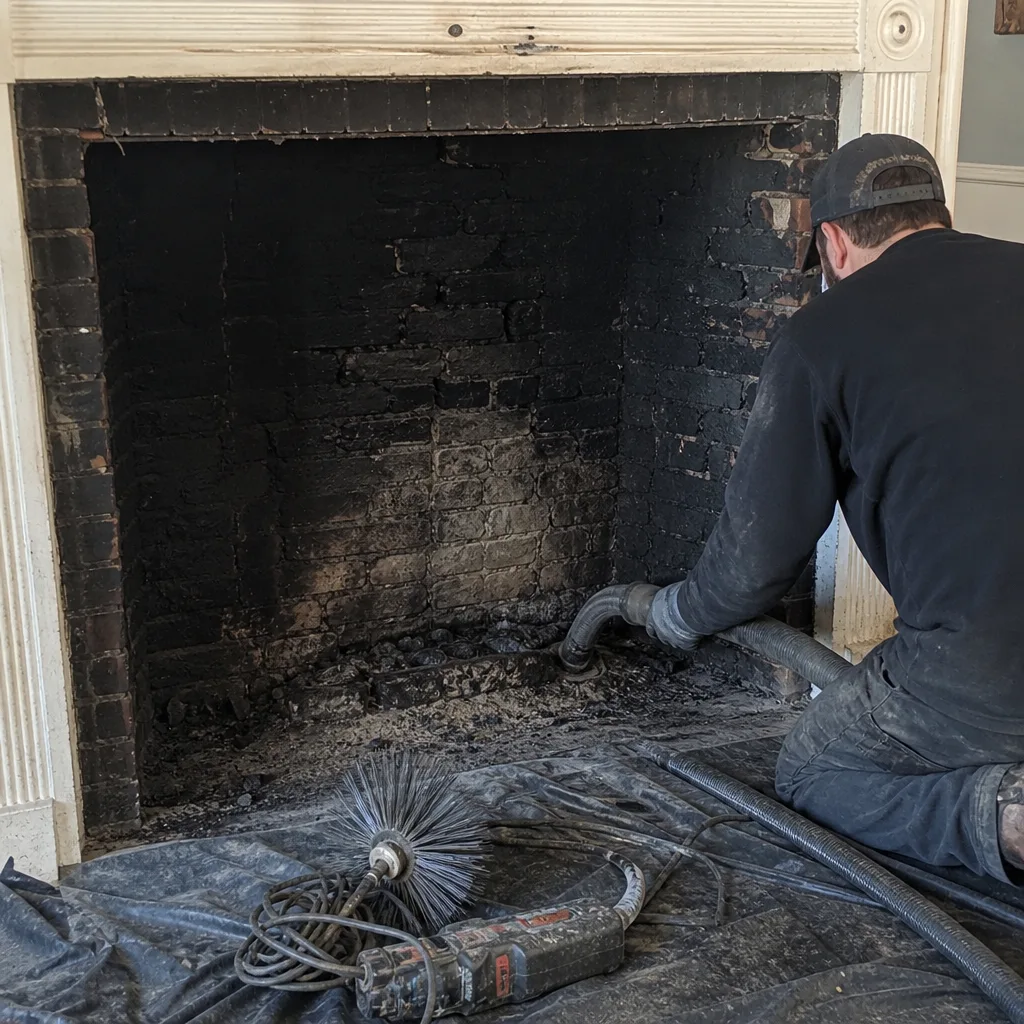 Before
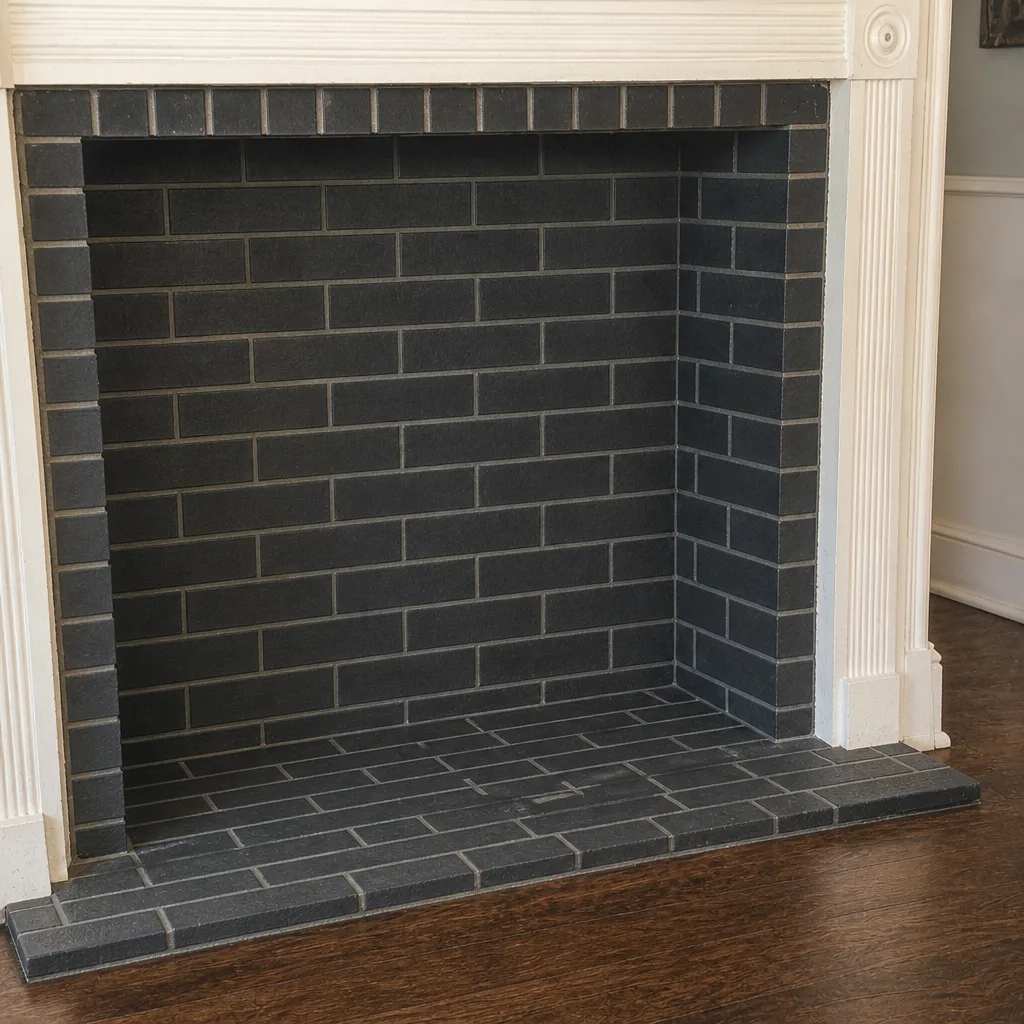 After
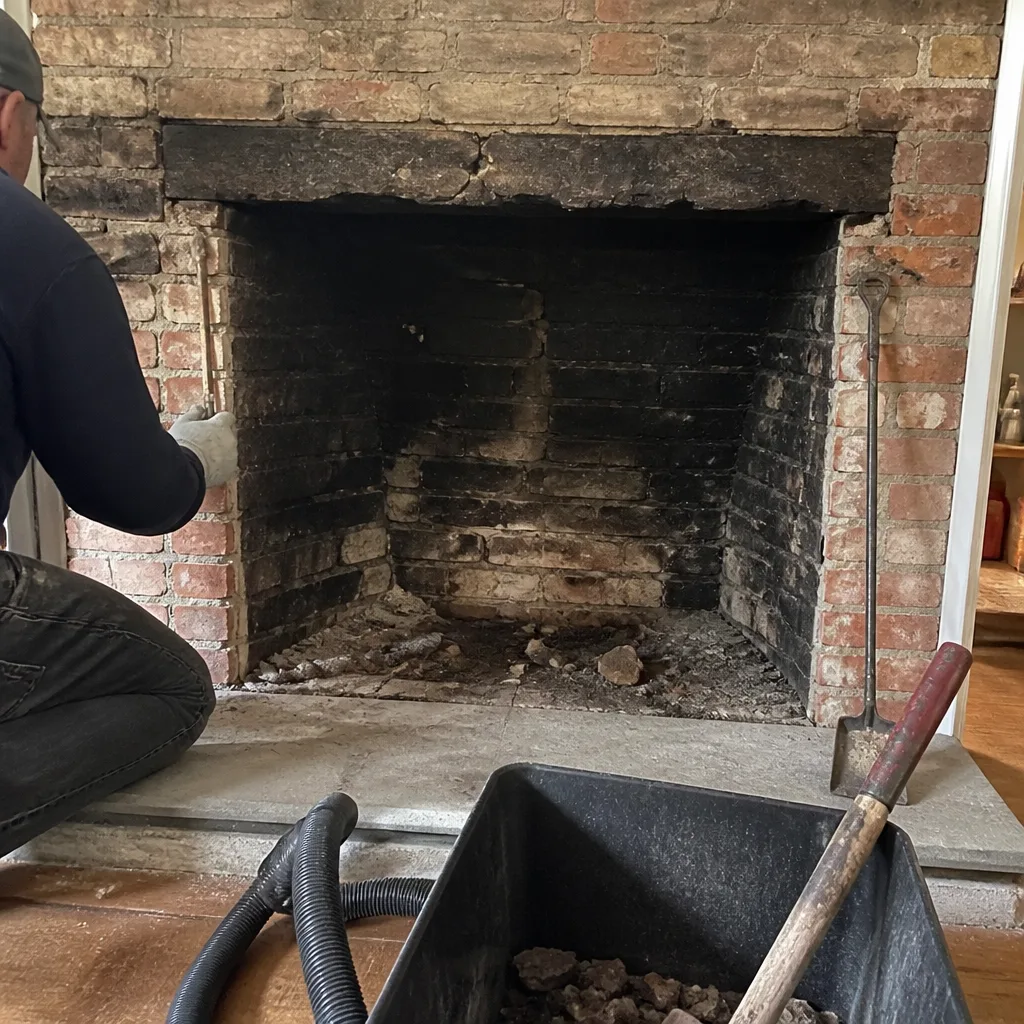 Before
 After
 Before
 After
When to Call a Professional
Call a professional sweep when you move into a Charlestown home and don’t know the chimney’s history, when a fireplace smokes or burns unevenly, when you suspect a chimney fire has occurred, or when creosote has visibly built up. Book an annual sweep before burning season if you use a fireplace regularly. Call sooner if a converted multi-family building has never had a Level II inspection, if the cap is missing or rusted, or if you’ve seen cracked tiles or recessed mortar inside the firebox. Chimney Sweep Charlestown offers free estimates in Charlestown. Call (877) 792-6155. We answer 24/7. Fast dispatch from 7am to 7pm, Sunday through Friday.
Frequently Asked Questions
Chimney cleaning in Charlestown is priced per job after the flue is assessed, and the written estimate sets the final price. The cost depends on the flue configuration, the creosote stage, and whether an inspection is included. Because shared and stacked flues are common in Charlestown rowhouses, a quote that doesn’t account for the building’s actual configuration isn’t a real quote. Call (877) 792-6155 for a free estimate.
A single-family Charlestown home on a routine annual sweep usually gets a Level I, while a converted multi-family building or a chimney that’s been changed calls for a Level II with a camera scan. The distinction is about the building’s history, not the age of the chimney. When you book, tell us whether the building has been converted or the chimney reworked.
Once a year if you burn wood, and more often if you burn heavily, burn wet wood, or have a shared flue. In Charlestown’s damp harbor climate, annual cleaning also catches the mortar erosion that builds between appointments. Book before burning season so the flue is clear before the first fire. Call (877) 792-6155 to schedule.
Stage 1 is a light, flaky deposit a standard brush removes; Stage 2 is a harder crust that calls for a rotary method; Stage 3 is a glazed, tar-like layer that needs rotary cleaning and a close inspection afterward. The stage decides the method. A sweep who doesn’t assess the deposit before choosing a brush is guessing.
Many Charlestown rowhouses were built with a single flue serving fireplaces stacked on multiple floors, and conversions sometimes connected additional fireplaces to an existing channel. That configuration shares draft across floors and changes how a cleaning must be sequenced. It’s also why a Level II camera scan is often the right starting point in a converted building.
Creosote keeps building, and the more glazed it becomes the higher the chimney fire risk. Moisture keeps working on the mortar joints between cleanings, and a small liner crack can become a structural problem. Skipping a sweep doesn’t make the flue safer; it just delays the discovery. Call (877) 792-6155 for a free estimate and a clear picture of what your flue actually needs.
The Bottom Line
Chimney cleaning in Charlestown isn’t the generic brush-and-go job that most guides describe. Shared and stacked flues require the job to be mapped and sequenced. Harbor air accelerates mortar erosion between cleanings, which makes the annual inspection as important as the cleaning. Creosote staging decides the method, and the documentation left behind is half the value of the visit. If you want a specialist who cleans, inspects, and repairs with contractor-grade materials from brands like DuraFlex, HeatShield, Olympia Chimney, and Copperfield, from annual sweep to full liner replacement, Chimney Sweep Charlestown covers it in one call. Call (877) 792-6155. We answer 24/7. Fast dispatch from 7am to 7pm, Sunday through Friday. Estimates are free.
Written by the team at Chimney Sweep Charlestown.