
Last updated November 25, 2026
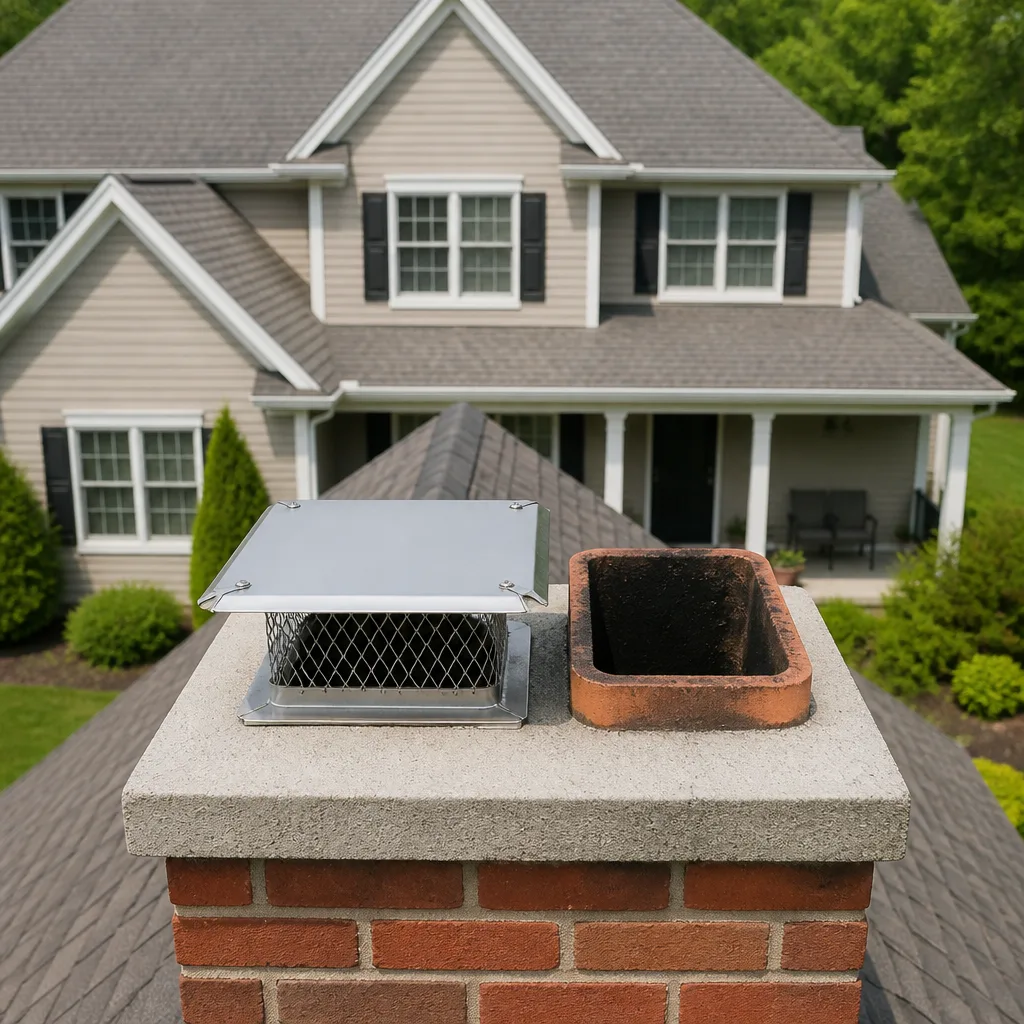 Sweep & inspection
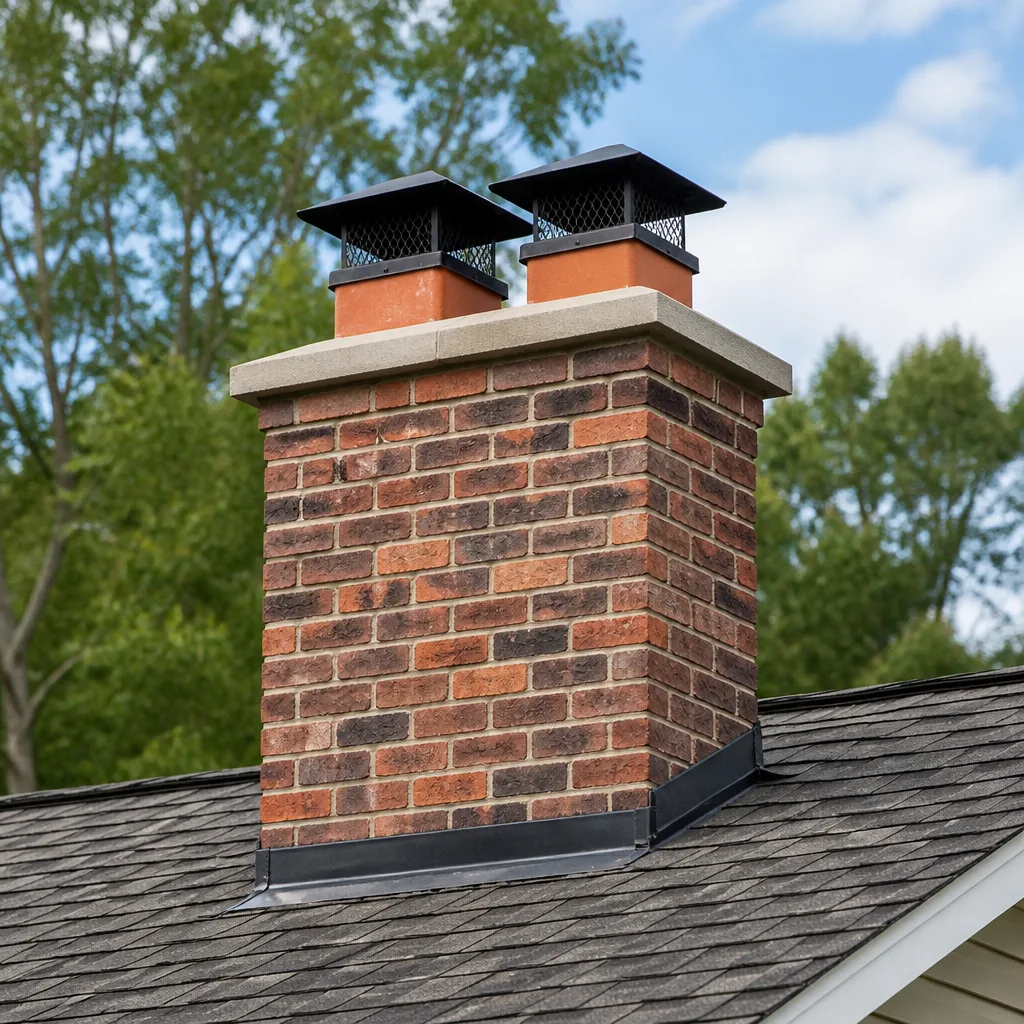 Caps & crowns
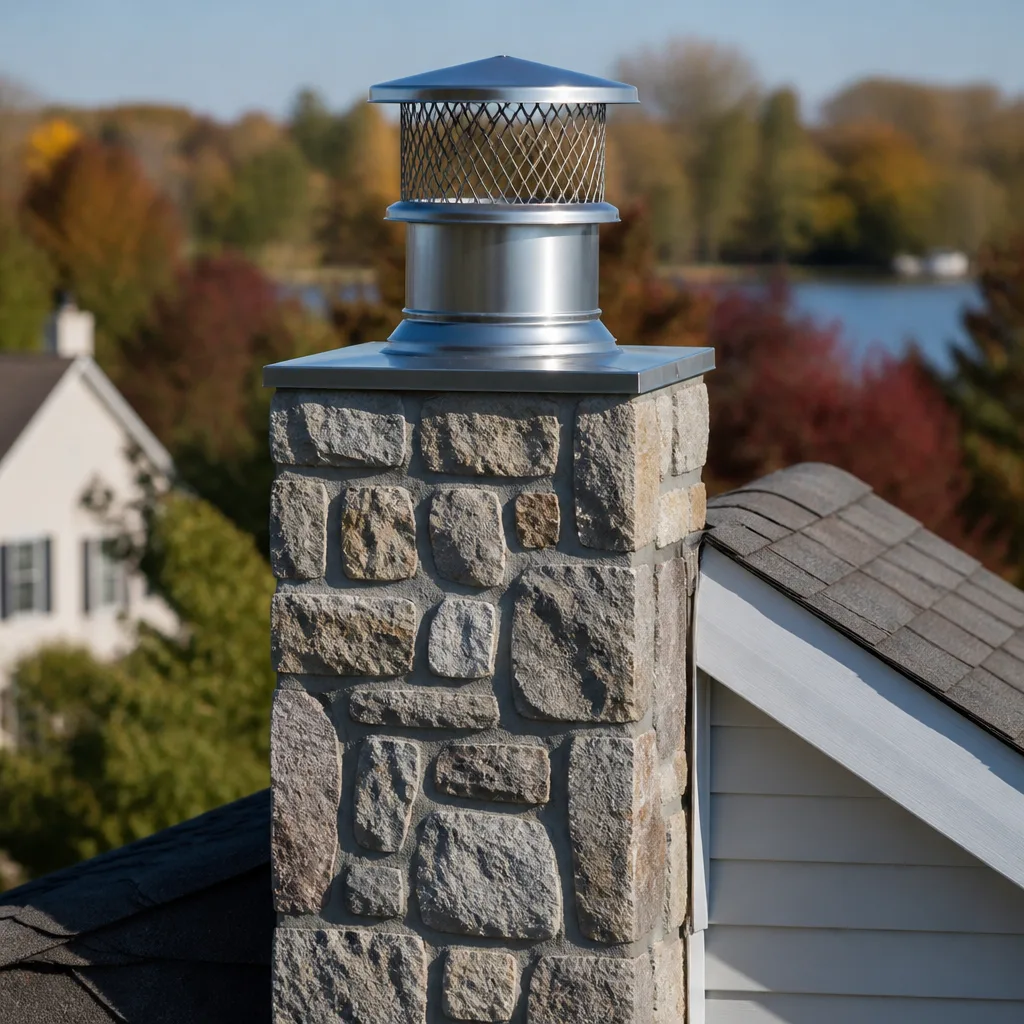 Flue relining
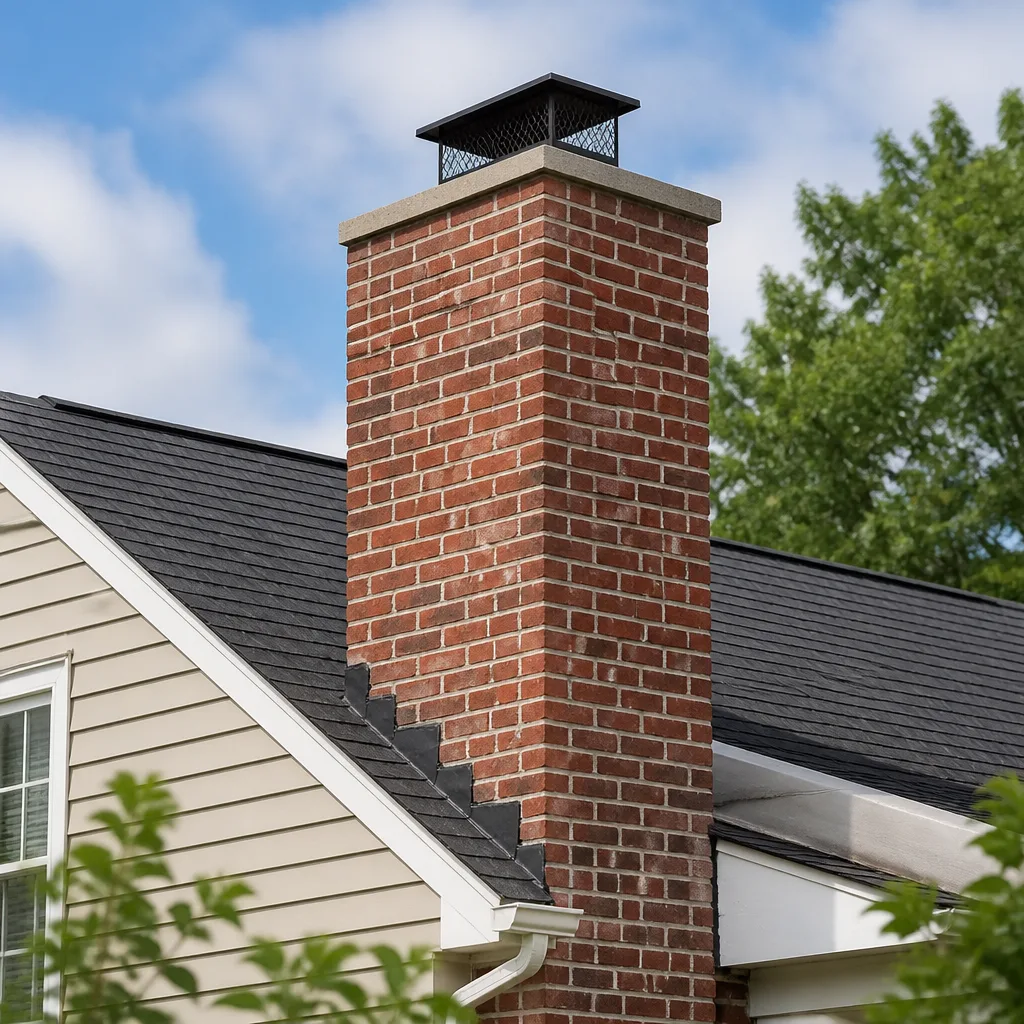 Masonry repair
 Gas fireplace service
Level 1 sweep and inspection to the NFPA 211 annual standard - flue, crown, cap, and flashing checked and photographed
Chimney sweep logs do not sweep chimneys. They loosen some creosote - which then falls where a brush and vacuum still have to collect it.
Chimney Cleaning Permits, Codes & Inspections in Charlestown, MA: What You Need to Know
Most Charlestown homeowners assume a chimney sweep shows up, cleans, and leaves, and that nothing about the visit touches a building department. That’s true for a routine cleaning. It stops being true the moment the work moves from cleaning into altering. A relined flue, a rebuilt crown, or a firebox modification all sit on the far side of a legal line that Massachusetts draws clearly, and a surprising number of homeowners only learn where that line is when a buyer’s inspector flags the work and a closing stalls. What follows is a plain explanation of where cleaning ends and permitting begins, which authority governs which job, and what paperwork to keep so a future sale or insurance renewal doesn’t ask you for records you never had.
Quick Answer
Routine chimney cleaning and maintenance in Massachusetts generally do not require a permit. Repair or alteration work – relining a flue, rebuilding a crown, altering a firebox – typically does, and in Charlestown that work falls under the Massachusetts building code (780 CMR) and NFPA 211 standards, with the Boston Inspectional Services Department as the local authority for permitted construction and the state fire marshal governing fire-safety compliance. A Level II inspection produces the written record that ties both together.
Styles & brands we work with
- Sweep & inspection
- Caps & crowns
- Flue relining
- Masonry repair
- Gas fireplace service
Table of Contents
- Where the line sits: cleaning versus repair
- The codes that actually govern chimney work in Massachusetts
- Boston ISD versus the state fire marshal: who governs what
- How a Level II inspection creates your paper trail
- What “grandfathered” really means in pre-1950 Charlestown homes
- Documents to request and keep after permitted work
- How a permitted chimney job usually runs, step by step
- Common mistakes to avoid
- When to call a professional
Where Does the Line Sit Between Chimney Cleaning and Repair?
Cleaning is maintenance. Repair is construction. Massachusetts treats those two categories very differently, and the dividing line is whether you are removing creosote or changing the physical structure of the chimney.
Here’s a practical way to sort it. A standard sweep scrapes and brushes the flue to remove soot and creosote buildup. We vacuum the firebox, check the damper, and note what we see. None of that alters the chimney, so it doesn’t trigger a building permit. The same holds for a visual check of the cap or a routine look at the firebox brick.
The moment you cross into repair, you’re altering a structure that carries combustion gases out of the home, and the code treats that as regulated work. Typical examples include:
- Installing a new stainless liner or resurfacing a deteriorated one
- Rebuilding or replacing a chimney crown
- Repointing masonry above a set threshold of the chimney’s surface
- Altering the firebox, hearth, or damper assembly
- Changing the flue’s size, shape, or termination height
- Adding or replacing a flue for a new appliance
A helpful rule of thumb: if the job changes what the chimney is rather than what’s inside it, expect a permit conversation. That’s not a reason to avoid the work. It’s a reason to know what you’re walking into so the process doesn’t surprise you mid-project.
The Codes That Actually Govern Chimney Work in Massachusetts
Massachusetts chimney work is governed by two layers of code: the state building code (780 CMR, which adopts the International Residential Code with Massachusetts amendments) and NFPA 211, the national standard for chimneys, fireplaces, vents, and solid fuel appliances. Both apply to repair and alteration, and knowing they exist helps you ask better questions of any contractor.
780 CMR is the binding legal document. It establishes when a permit is required, who may perform the work, and what inspection has to happen before the job is closed out. NFPA 211 is the technical standard that the code leans on for the how: clearances to combustibles, flue sizing, liner requirements, termination heights, and inspection levels. When a contractor tells you a repair “meets NFPA 211,” they’re saying the technique and materials follow that national standard.
Here’s why this matters in Charlestown specifically. The neighborhood’s housing stock leans heavily toward older brick construction, and the chimneys were built to the standards in force when the buildings went up. When new work is done on those chimneys, the new work has to meet current code even though the rest of the structure predates it. That interplay is where most permit disputes arise.
In our experience, the confusion usually isn’t about whether a homeowner wants to comply. It’s about not knowing that the technical standard and the legal code are two documents, and that a contractor who can cite both tends to be the one who files the right paperwork.
Boston ISD Versus the State Fire Marshal: Who Governs What?
Charlestown is a Boston neighborhood, so permitted construction work on a chimney falls under the Boston Inspectional Services Department (ISD). ISD is the local building authority: it issues permits, sends inspectors, and closes out permits after the work passes. If your chimney repair needs a permit, ISD is the office that processes it.
The state fire marshal operates on a different axis. The fire marshal’s office enforces fire-safety regulations and investigates chimney fires and carbon monoxide incidents. It does not issue your building permit, but its standards inform how ISD evaluates certain life-safety components, and it has authority to enter and inspect a property where a fire hazard exists.
Sort the jurisdictions like this:
- Boston ISD: permits, plan review, and construction sign-off for chimney repair and alteration
- State fire marshal: fire-safety code enforcement, incident investigation, and hazard abatement
- Your contractor: the party responsible for pulling the correct permit, scheduling inspections, and providing documentation
Most homeowners never need to contact either office directly. But when a sale or a refinance is on the line, knowing which authority holds which record saves hours. ISD has the permit file. The fire marshal has incident records. Neither one substitutes for the other.
How a Level II Inspection Creates Your Paper Trail
A Level II inspection is the inspection that produces a written record – and that record is often worth more than the cleaning that prompted it. NFPA 211 defines three inspection levels. A Level I is a basic visual check during a routine sweep. A Level II is a more thorough examination, typically including a video scan of the flue interior, and it results in a written report describing what was found.
Why does that report matter so much in Charlestown? Because it’s the document that satisfies two separate audiences at once:
- Insurance underwriters want documentation that the chimney was assessed and any defects were addressed. A written report with photos is far more useful than a verbal “it looks fine.”
- Real estate disclosures require sellers to state known defects. A dated inspection report shows what was known, and when, and what was done about it.
A Level II is recommended whenever a property changes hands, whenever the appliance or fuel type changes, and after any chimney fire or structural event. It’s also the right call for a homeowner who’s buying a Charlestown property with a fireplace and wants to know the real condition before closing. Pair it with a chimney sweep and you have both the cleaning record and the condition report in one visit.
The value isn’t in the paperwork itself. It’s that the paperwork tells you, plainly, what’s wrong and what it will take to fix it – and we can quote that fix the same day the inspection happens rather than sending you off to find another contractor.
What “Grandfathered” Really Means in Pre-1950 Charlestown Homes
The word “grandfathered” gets used loosely, and it’s worth pinning down. Legally, grandfathering means a configuration that predates a code requirement is allowed to remain as it is – as long as nothing about it gets altered. The protection belongs to the existing condition, not to any future work.
Charlestown’s older housing stock has plenty of these configurations: chimneys built to earlier standards, offsets and bends in the flue, original fireboxes sized for wood-burning stoves that no longer exist. None of that is automatically a problem. A grandfathered chimney can be perfectly serviceable.
Where homeowners get caught is this: the moment you perform new work on a grandfathered chimney, the new work has to meet current code. You can’t reline a flue to the standard of 1940 and call it grandfathered. You can leave the existing configuration alone, but if you change it, the changed portion is evaluated against 780 CMR and NFPA 211 as they read today.
That’s why an honest assessment matters. A mason who says “your chimney doesn’t meet current clearances, you need a full rebuild” is both correct and possibly overstating the urgency, because the rule protects the existing condition. A contractor who says “no permit needed, it’s old” may be missing that the work itself triggers the requirement. In our experience, the right answer usually falls between those poles: address the safety defect, leave the grandfathered elements that are functioning properly, and document both.
If you’re looking at liner work, that’s also where product choice matters. We specify contractor-grade materials from brands like DuraFlex and HeatShield, and we install to the standard the inspection will be measured against, not to whatever passes casual visual scrutiny.
Documents to Request and Keep After Permitted Work
The permit card is not the whole record. The inspection sign-off, the report, and the installation documentation matter just as much when a buyer or an insurer comes asking. Here’s what to collect.
- The permit itself. The issued permit shows the scope, the date, and that the work was authorized. Keep the copy with your home records.
- The final inspection sign-off. This is the document that proves the work was completed and passed. It’s the one most homeowners never ask for, and it’s the one a buyer’s attorney will want.
- The written inspection report. If a Level II inspection was done, keep the report and any photos. It establishes the pre-work condition.
- The manufacturer’s installation documentation. For liner or cap work, the product documentation shows what was installed and the warranty terms. Keep it with the report.
- The contractor’s written description of the work performed. A short document listing materials used and the standards followed. Not every contractor provides one unless asked.
Store these with your home’s other records – the same folder as your deed, your inspection reports, and your appliance manuals. If you ever sell a Charlestown property with a fireplace, that folder is worth its weight in avoided closing delays. If you’ve had any chimney cap & crown work done, the product specs and the sign-off belong in there too.
How a Permitted Chimney Job Usually Runs, Step by Step
Homeowners ask us what to expect. Here’s the general sequence a permitted repair follows, from first call to final sign-off. Specific timelines depend on the scope and on ISD scheduling, but the order holds.
- Inspection and assessment. A Level II inspection establishes what’s actually wrong. You get a written report and a written scope of work.
- Written estimate. The price comes from the scope, and the estimate sets the final cost. No numbers change after that without your approval.
- Permit application. For work that requires one, the contractor files with Boston ISD before any work begins. You should see the permit number before the job starts.
- Work performed. Liner installation, crown rebuild, or firebox repair proceeds per the approved scope, using the materials specified in the estimate.
- Inspection. ISD inspects the completed work. If corrections are needed, they happen before close-out.
- Close-out and documentation. The permit is signed off, and you receive the final inspection record along with the installation documentation.
If a repair falls below the permit threshold – say, replacing a cap – the job skips steps three and five. That’s where a single specialist makes the difference. A call covers the inspection, the repair, and any fireplace repair that turns up along the way, so you aren’t coordinating three contractors and two independent inspection schedules.
How Often Should a Chimney Be Swept and Inspected in Charlestown?
A chimney used for wood should be swept once a year, and a Level II inspection is the right call at least once, on a home purchase, or after any event. That’s the general standard from NFPA 211. The practical answer for a Charlestown homeowner depends on how much you burn.
Wood is the main driver. A household that burns a cord or two a season and burns dry wood will typically fall into the annual sweep cadence. A household that burns occasionally might stretch the interval, but the annual inspection still earns its keep because it catches liner deterioration long before it becomes a hazard. A fireplace that hasn’t been used in years deserves an inspection before the first fire, not a guess that everything is fine.
Charlestown winters are cold enough that many households heat with wood on at least a supplemental basis, and the older masonry chimneys common in the neighborhood take on moisture and weather over the course of a season. Checking the crown and the cap is part of the annual look for that reason alone. You can see more about our full range of services by visiting the main Chimney Sweep Charlestown page.
If it’s been more than a year since the chimney was looked at, that’s the simplest signal. The cost of a sweep is small compared to what a failed liner inspection costs to fix.
Can a Chimney Sweep Provide the Inspection and the Repair?
Yes, and that integration is exactly the point. A chimney inspection should tell you what’s wrong and what it costs to fix it, and we do both. That’s different from an inspection-only outfit that hands you a report and a referral list.
The advantage isn’t speed alone. It’s that the person quoting the repair has seen the inside of the flue, and the materials specified in the quote match the findings in the report. When the inspection turns up a deteriorated liner, we can specify the right product – HeatShield ceramic resurfacing where it fits, DuraFlex flexible liner where the flue needs a full reline, Olympia Chimney components for the venting details – and install to that standard.
That matters more than it sounds. Liner rehabilitation without a full tear-out is a specialized capability, and not every generalist cleaner offers it. When it’s appropriate, it can mean less disruption to the chimney structure and a shorter job. When a full reline is genuinely the right answer, flexible liner systems handle corroded, offset, or undersized flues that a surface repair can’t. Choosing between the two requires a look inside, which is why the inspection comes first.
Cap and crown work follows the same logic. We select products from Gelco, Famco, and Copperfield based on the chimney’s dimensions and exposure, not on whatever ships cheapest. Contractor-grade materials, properly installed, and documented so the next person who inspects the chimney can see what was done.
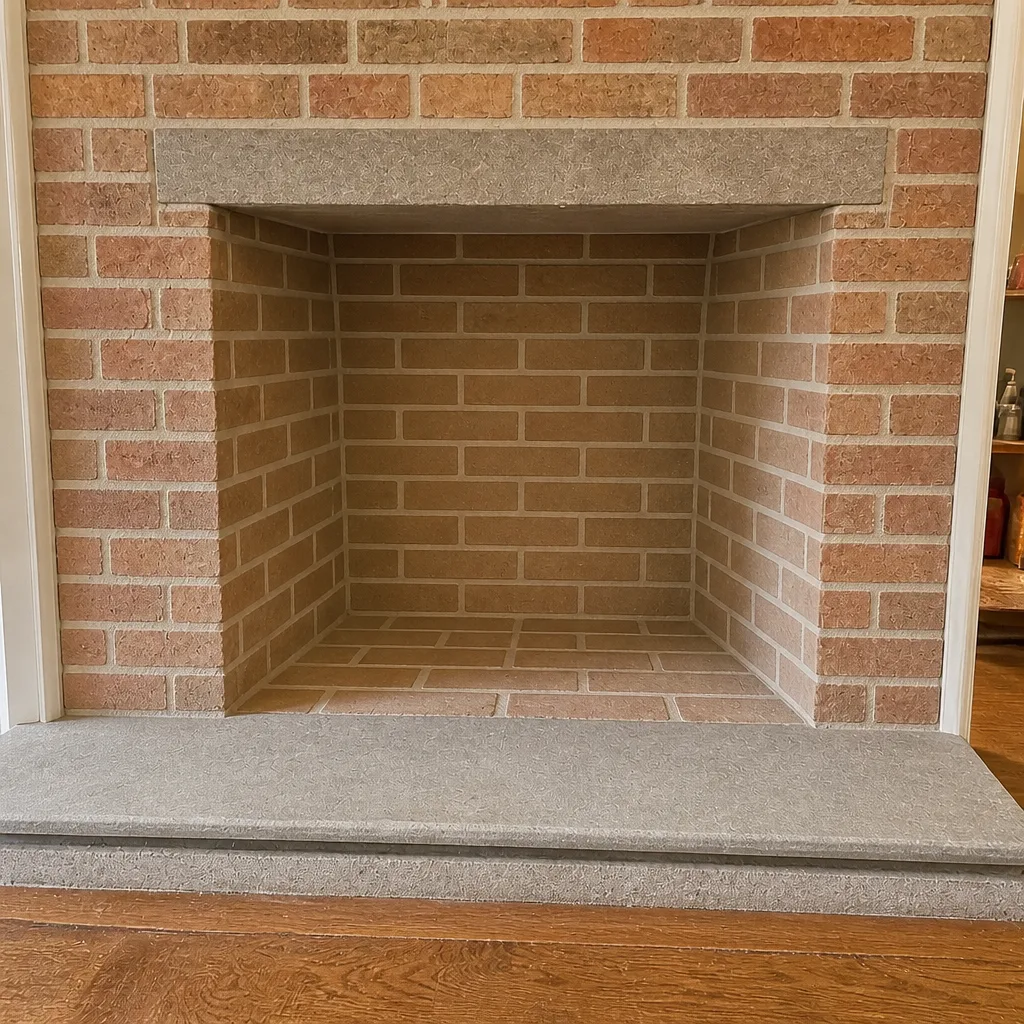
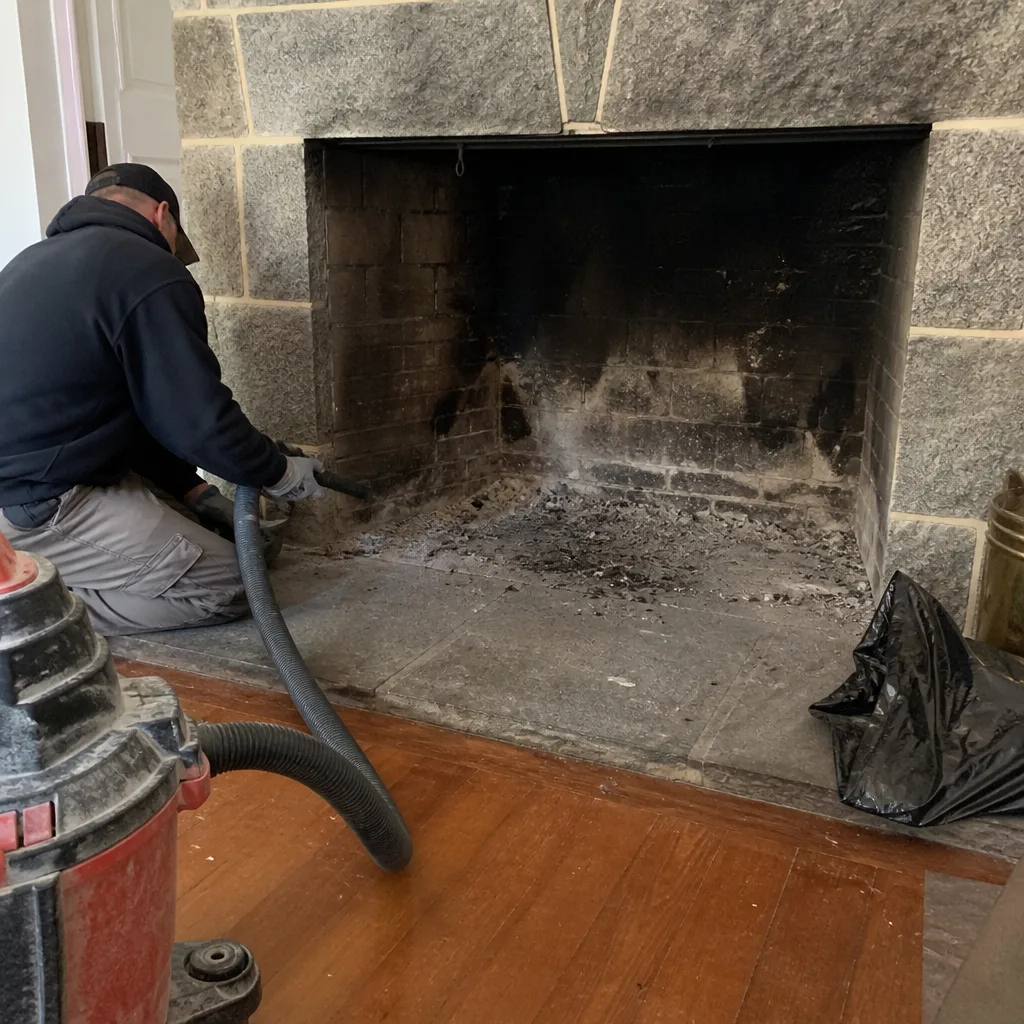
See the difference
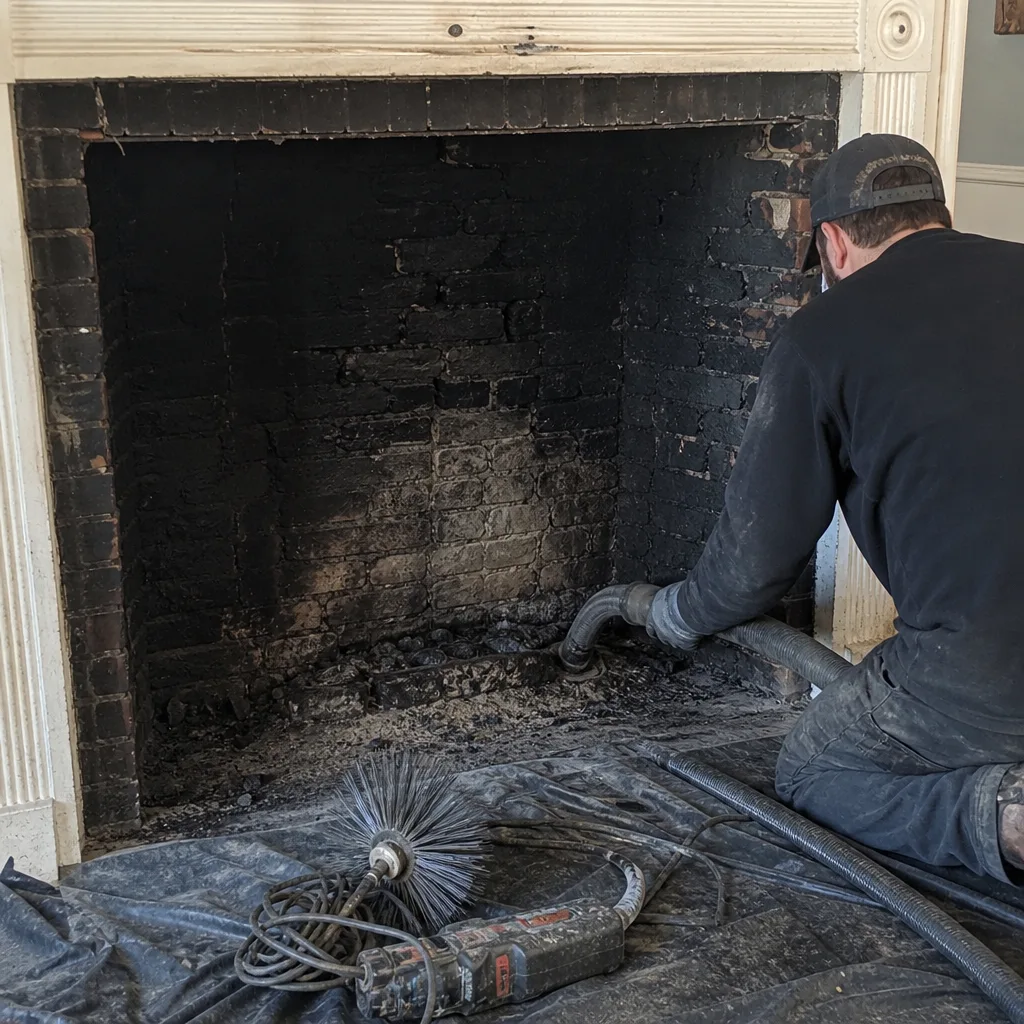 Before
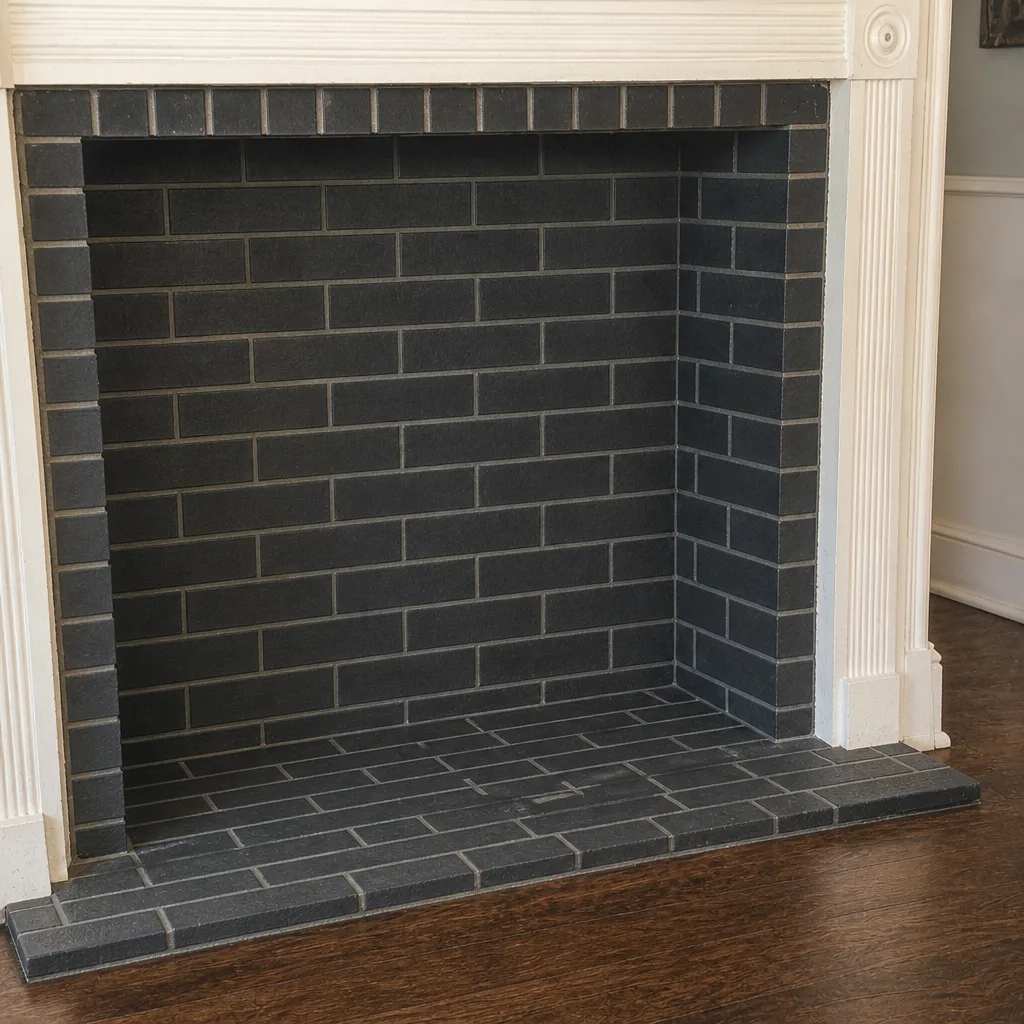 After
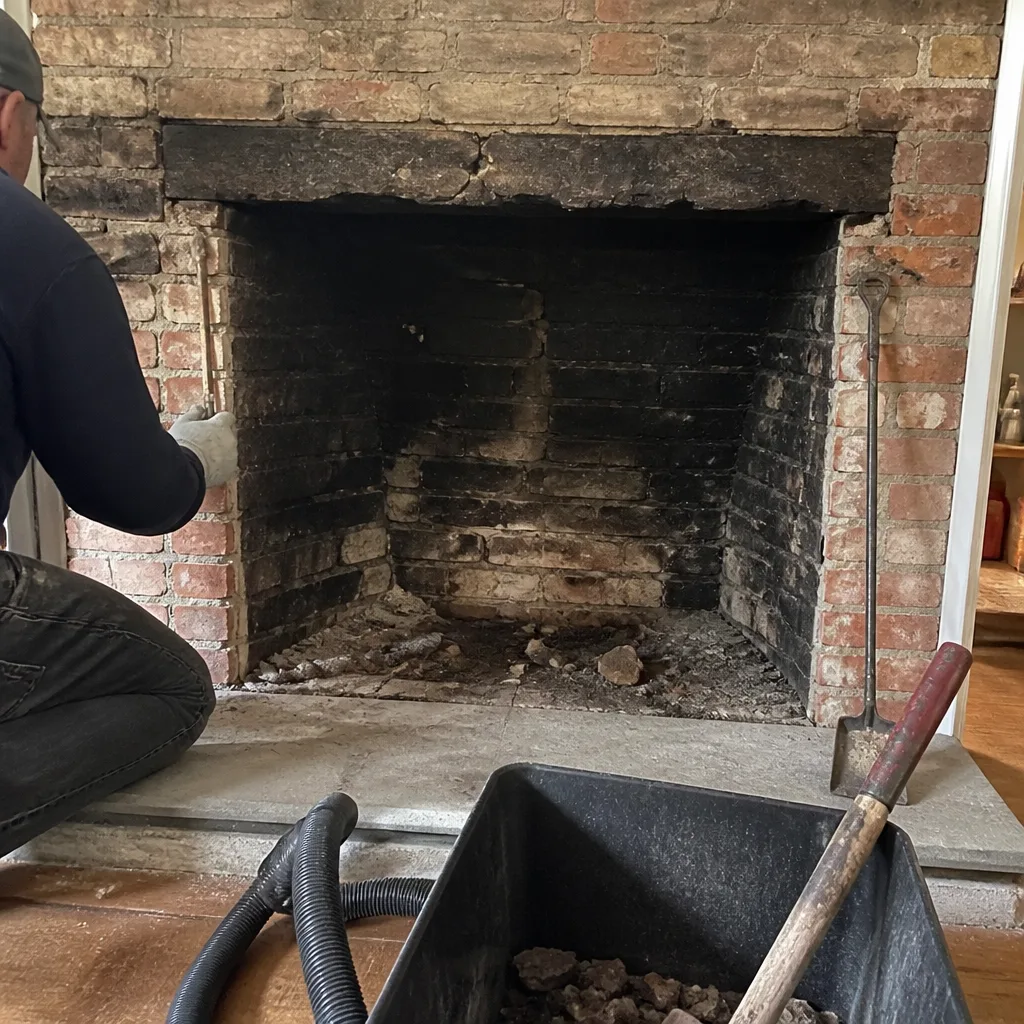 Before
 After
 Before
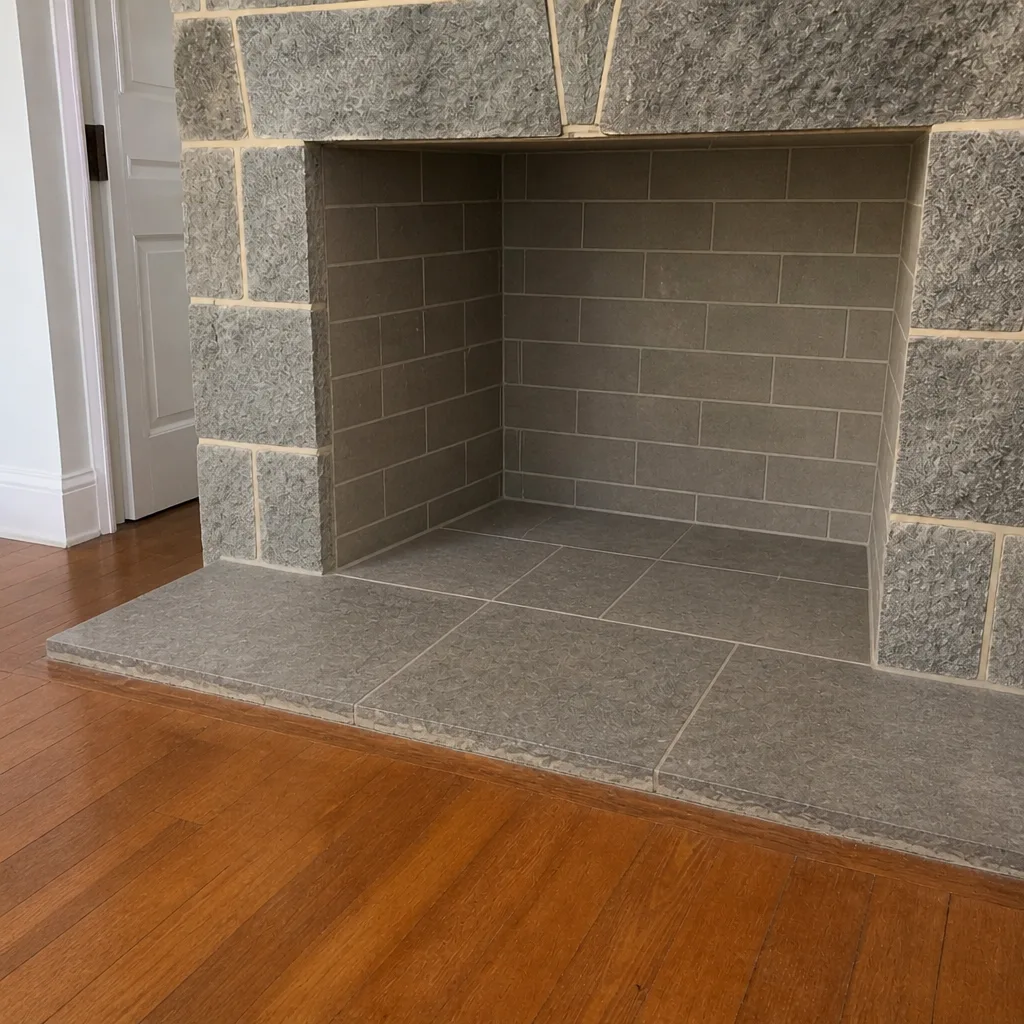 After
Common Mistakes to Avoid
- Assuming “no permit needed” applies to everything. Cleaning doesn’t need a permit. Relining, crown work, and firebox alterations do. Most homeowners conflate the two and find out when a sale is on the line.
- Never asking for the final inspection sign-off. The permit card alone doesn’t prove the work passed. The sign-off does, and it’s the document a buyer’s attorney will request.
- Treating “grandfathered” as a blanket pass. The protection applies to the existing condition, not to new work. If you alter a grandfathered chimney, the alteration meets current code.
- Hiring a handyman for a permitted job. If the work requires a Boston ISD permit, the contractor pulling it needs to be authorized to do so. A handyman without that authority leaves you holding an unpermitted alteration.
- Skipping the Level II before a purchase. Buying a Charlestown property with a fireplace and skipping the inspection is how buyers end up funding a reline they didn’t budget for.
- Storing documentation in the contractor’s file, not yours. The report and sign-off belong in your records. Contractors move on; your home’s paper trail has to stay with the home.
- Ignoring the cap and crown until water is inside. Water intrusion damages the flue from the top down. A cracked crown is a small repair short of a large one if it’s caught early.
When to Call a Professional
Call when it’s been more than a year since the chimney was inspected or swept. Call before you buy or sell a Charlestown home with a fireplace, so the Level II report is in hand. Call after any chimney fire, any event that cracked masonry, or any change to the appliance or fuel type. Call when you notice water staining on the firebox or ceiling near the chimney, a crumbling crown, or a cap that’s loose or missing. Call when the flue has never been video-scanned and you don’t know its condition. And call before any repair is scheduled, because the inspection should come first.
Chimney Sweep Charlestown offers free estimates in Charlestown. Our technicians have up to 13 years of experience, the estimate is free, and the price is set per job by the written estimate. Call (877) 792-6155. We answer 24/7. Fast dispatch from 7am to 7pm, Sunday through Friday.
Frequently Asked Questions
No. Routine chimney cleaning and maintenance don’t require a permit in Massachusetts. A permit is triggered by repair or alteration work – relining, crown rebuilding, firebox changes – not by removing creosote. Call (877) 792-6155 for an exact quote – estimates are free.
The Boston Inspectional Services Department issues and inspects building permits for chimney repair and alteration in Charlestown. The state fire marshal handles fire-safety code enforcement and incident investigation, not your permit. Call (877) 792-6155 for an exact quote – estimates are free.
A Level II inspection is a thorough examination that typically includes a video scan of the flue and produces a written report. You need one when buying a home, after a chimney fire, or when the appliance or fuel type changes. It’s also the report that satisfies insurers and real estate disclosures. Call (877) 792-6155 for an exact quote – estimates are free.
Only if the inspection shows the existing liner is deteriorated, cracked, or improperly sized – and you should see the evidence. HeatShield resurfacing can rehabilitate some liners without a full tear-out; others need a flexible liner like DuraFlex. Nothing is recommended without camera evidence you can see for yourself. Call (877) 792-6155 for an exact quote – estimates are free.
It means an existing chimney configuration that predates a code requirement may remain as it is. It does not exempt new work. Once you alter the chimney, the altered portion meets current code under 780 CMR and NFPA 211. Call (877) 792-6155 for an exact quote – estimates are free.
Keep the permit, the final inspection sign-off, the written inspection report with photos, and the manufacturer’s installation documentation. The sign-off is the one most homeowners miss, and it’s the one a buyer or insurer will ask for. Call (877) 792-6155 for an exact quote – estimates are free.
The Bottom Line
Cleaning and repair live on opposite sides of a legal line in Massachusetts. Cleaning is maintenance and needs no permit. Repair and alteration fall under 780 CMR and NFPA 211, and in Charlestown that means a Boston ISD permit and inspection. A Level II inspection is the document that connects the two: it establishes condition, satisfies insurers and disclosures, and gives you the evidence behind any repair recommendation. Grandfathering protects the existing chimney, not new work. And the records you keep after a permitted job – especially the inspection sign-off – are what protect you at sale. One specialist covers inspection, repair, and documentation from start to finish. Call (877) 792-6155 for a free estimate.
Written by the team at Chimney Sweep Charlestown.