
Last updated November 25, 2026
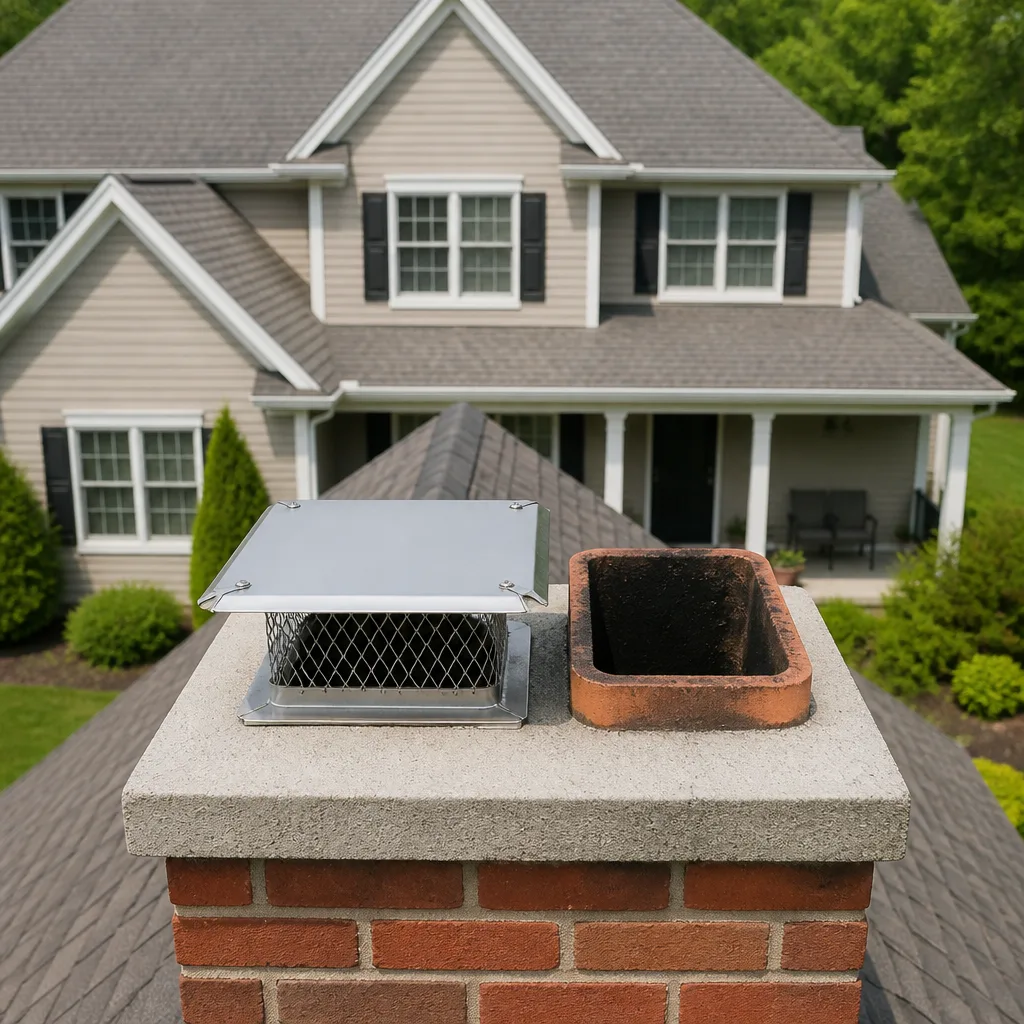 Sweep & inspection
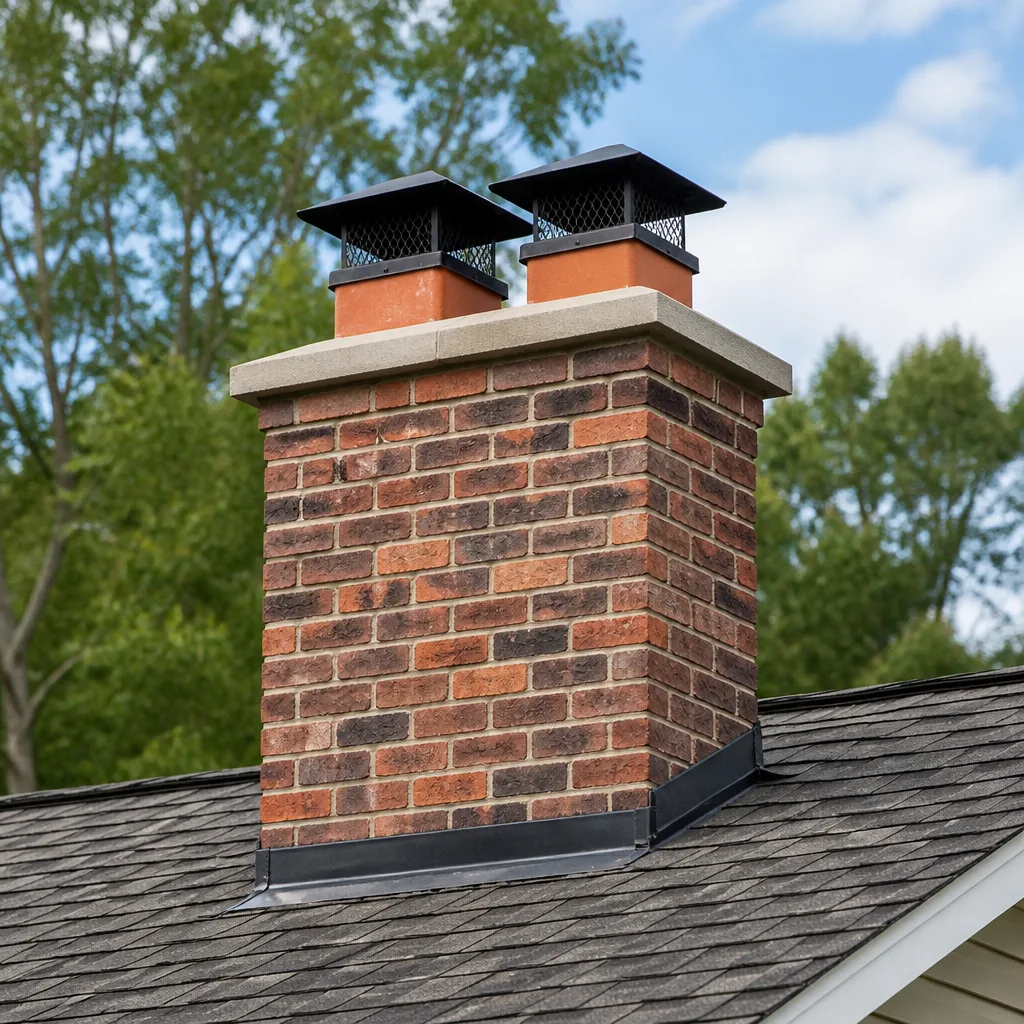 Caps & crowns
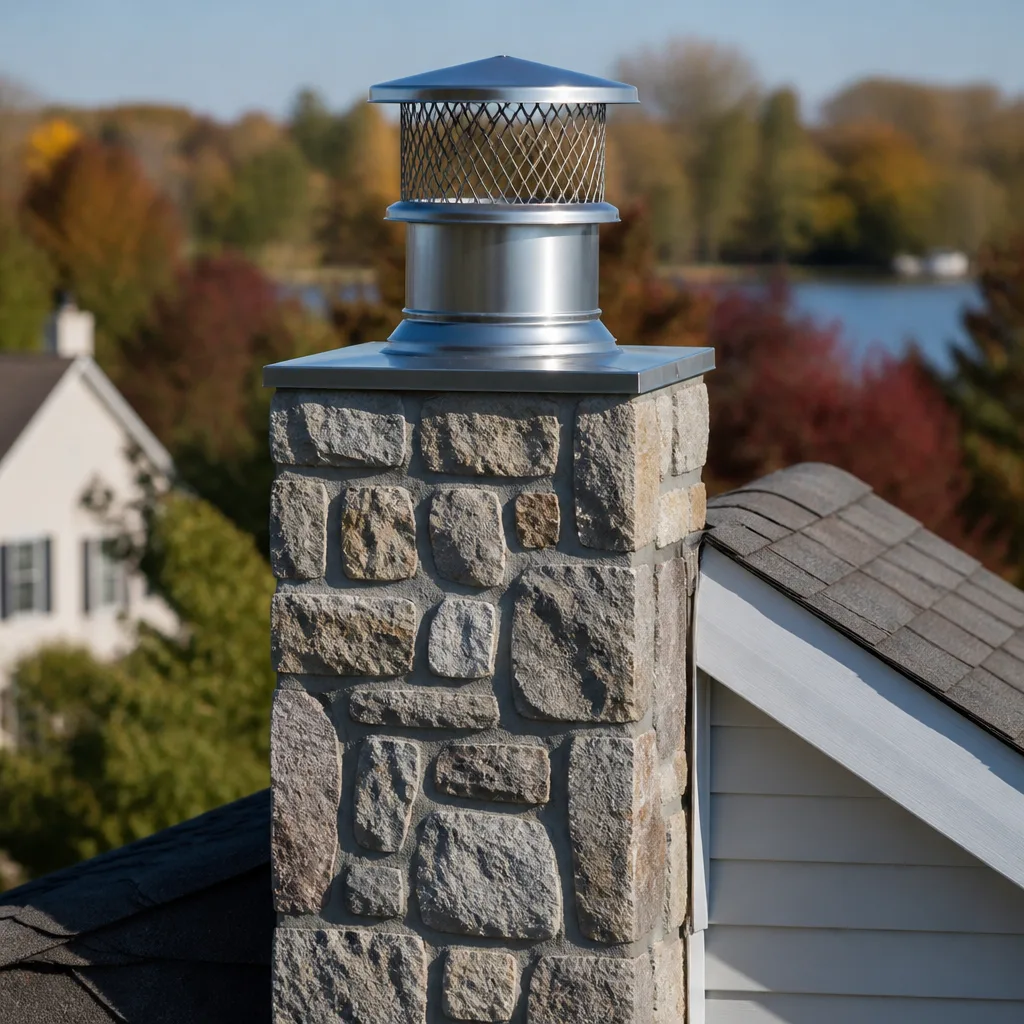 Flue relining
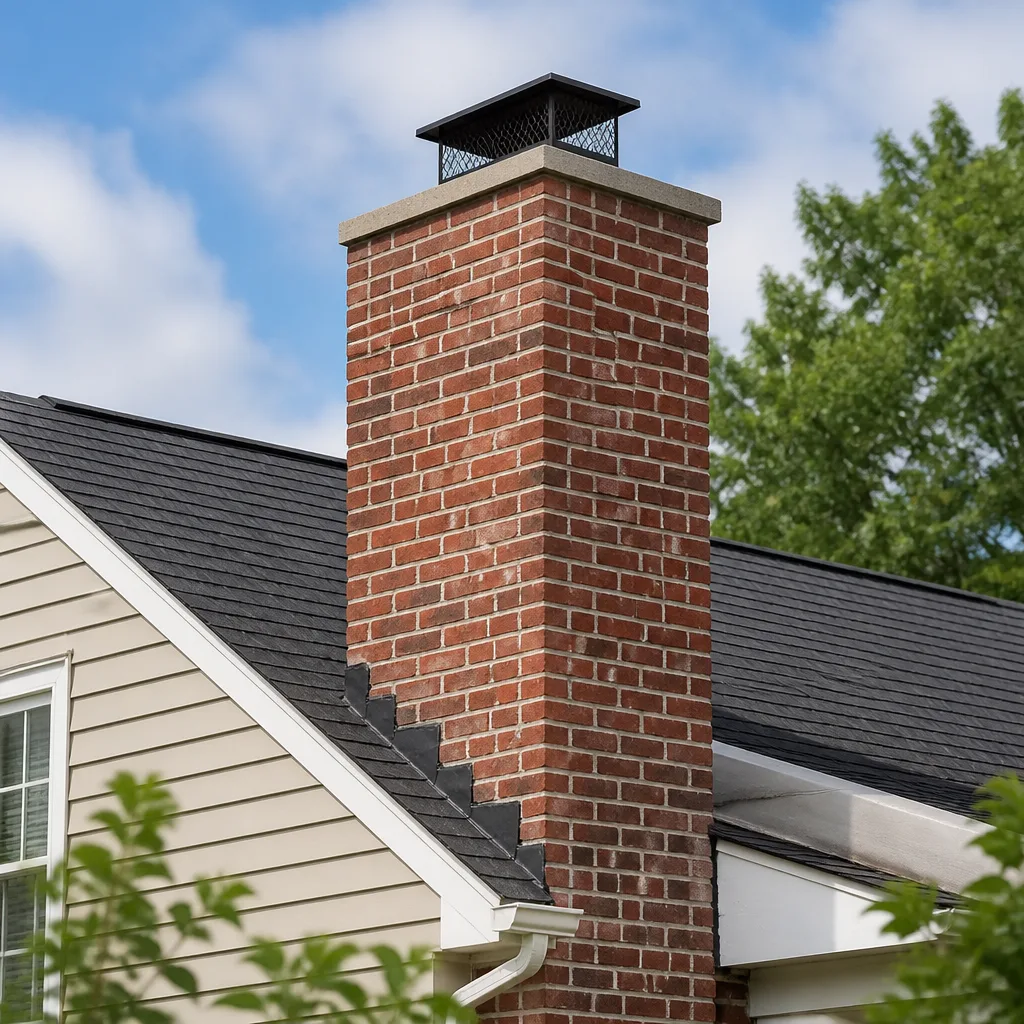 Masonry repair
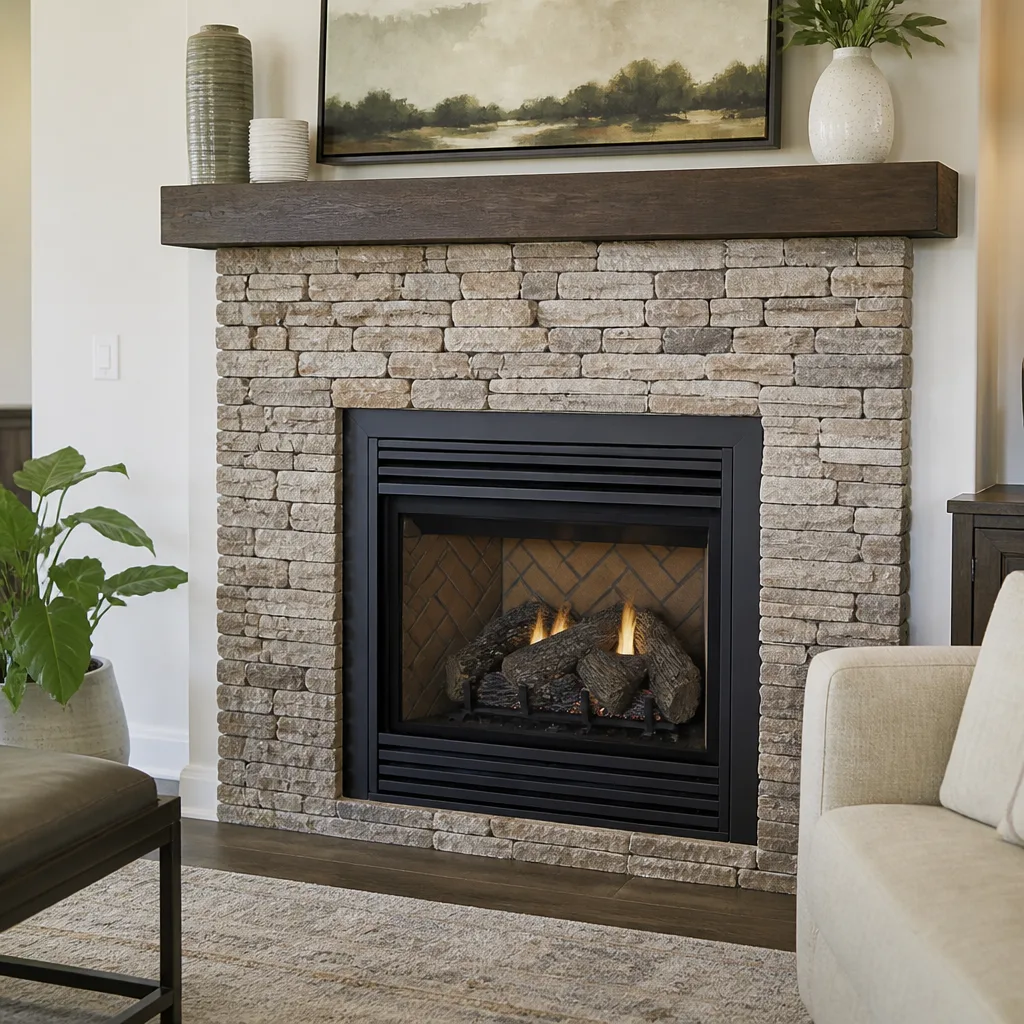 Gas fireplace service
Level 1 sweep and inspection to the NFPA 211 annual standard - flue, crown, cap, and flashing checked and photographed
Chimney sweep logs do not sweep chimneys. They loosen some creosote - which then falls where a brush and vacuum still have to collect it.
Chimney Cleaning Cost Breakdown: The Charlestown Homeowner’s Reference for 2026
The $89 chimney cleaning coupon floating around Greater Boston is a real number, and it’s not a scam. It’s just a quote for a different job than the one your chimney actually needs. That coupon covers brush time and vacuum time. It cannot cover the parts of a cleaning that protect you: camera inspection of the flue, travel protection for your floors and roof, and a written condition report you can hold onto. Understand what a sweep should include, and what each piece costs, and the quotes you collect start to make sense. This guide breaks down every line item that belongs on a Charlestown chimney cleaning invoice, explains what moves each price up or down, and shows you how to read a batch of estimates the way a tradesperson would.
Quick Answer
A standard chimney sweep in Charlestown typically runs $185 to $320 in 2026, and that figure should include a camera inspection and a written report, not just brush time. Add $40 to $90 if the flue has heavy creosote, awkward rowhouse access, or a liner type that slows the work. If the inspection turns up cracked tiles, a failed crown, or Stage 3 creosote, the repair line expands from a few hundred dollars into the low thousands, and the written estimate – not the sweep price – sets the final cost.
Styles & brands we work with
- Sweep & inspection
- Caps & crowns
- Flue relining
- Masonry repair
- Gas fireplace service
Table of Contents
- What’s Actually on a Chimney Cleaning Invoice?
- What Moves the Price in a Charlestown Rowhouse?
- How Liner Type Changes Labor and Cost
- What Happens When the Inspection Finds a Problem?
- Why the Lowest Quote Usually Skips the Camera
- Realistic 2026 Price Ranges for Charlestown
- Prioritizing Repairs When the Budget Is Tight
- Common Mistakes to Avoid
What’s Actually on a Chimney Cleaning Invoice?
A proper chimney cleaning invoice lists four things: the brush-and-vacuum sweep, a camera inspection of the flue, travel protection for your interior, and a written condition report. Of those four, only the first is optional to price out separately – the other three are the difference between a cleaning and a guess. Most reputable Charlestown sweeps quote them as a package because they belong together. If a quote lists brush time only, you’re not looking at a cleaning quote. You’re looking at a brush-out.
Here’s what each line covers and roughly what it contributes to the total:
- Standard sweep (brush and vacuum): The physical removal of soot, ash, and creosote from the flue and firebox, sealed with a vacuum system and HEPA filtration so nothing migrates into your living space. This is the base of most invoices and the piece every coupon covers.
- Camera inspection: A video scope run up the flue to see the liner, joints, offset sections, and any cracks or gaps a brush can’t reach. Without this, a cracked tile or a separated joint goes undocumented until the next fire pushes smoke where it shouldn’t go. On a proper invoice this is a line item, because it’s real work with real equipment.
- Travel protection and drop cloths: Floor runners, hearth protection, and sometimes roof access pads in a rowhouse cluster where the chimney is shared or tight. This is the line that separates a careful sweep from a quick one – and the line that prevents the soot footprint on your stair runner that you’ll be scrubbing for a month.
- Written condition report: A report describing what was found, with the camera footage to back it up, and a clear statement of what needs attention now versus what can wait. This is the line that makes the whole invoice worth paying, because it turns a cleaning into a documented record of your chimney’s condition.
If a Charlestown quote folds all four into a single number, that’s fine. What matters is that the sweep can tell you which four are actually happening. Ask the question directly: “Does this include a camera inspection and a written report?” A yes with a description is a good sign. A vague answer about “checking things over” is not.
What Moves the Price in a Charlestown Rowhouse?
Charlestown’s rowhouse clusters are the single biggest variable in what a sweep costs here. A freestanding home with a wide side yard and a straight roofline is a simple job. A townhouse on a narrow street in the older part of Charlestown, where the chimney sits behind a shared parapet and the only access is up a ladder between two rooflines, is a different afternoon of work. The chimney itself might be identical. The access isn’t.
The variables that push a Charlestown sweep toward the higher end of the range break down into three groups:
- Flue length and height. A taller flue takes longer to brush clean top to bottom, and every extra section of chimney adds setup time. Multi-story rowhouses in Charlestown often have flues that run the full height of the building, and a full-height sweep is more work than a single-story one.
- Access difficulty. Roof access on a rowhouse means getting a ladder to the right spot without destabilizing a neighbor’s gutter, moving around shared chimney stacks, and protecting the roof surface at the access point. If the chimney is interior to the roofline, the sweep may work from a rooftop hatch or through the firebox, and either path adds time.
- Interior space constraints. Narrow hallways, tight hearths, and second-floor fireplaces that require carrying equipment up the stairs all add labor. In a compact Charlestown townhouse, setting up a vacuum and drop cloths takes longer than in a wide-open living room, and a good sweep prices that time into the quote honestly instead of rushing it.
You shouldn’t be surprised by a higher quote on a tight-access Charlestown rowhouse than on a larger suburban home. The work is genuinely different. What you should be able to ask any sweep is how they’ve factored access into the price – and get a specific answer about roofline, ladder placement, or interior setup. A quote that can’t explain its own access charge is a quote that’s guessing at your job.
How Liner Type Changes Labor and Cost
The material inside your flue determines how long a cleaning takes and what kind of sweep you need. There are three liner situations in a Charlestown home, and each carries a different cost profile.
Clay tile liner. The traditional liner in older Charlestown rowhouses – a stack of square clay tiles mortared together, running the length of the flue. Cleaning is straightforward brushing, but the joints between tiles are the weak point: a brush can’t inspect them, which is exactly why the camera inspection line matters. If the tiles are intact, this is the least expensive liner to clean. If the mortar joints are deteriorating, the sweep needs to see it before the next fire season.
HeatShield-resurfaced liner. HeatShield is a ceramic resurfacing system used to rehabilitate deteriorated clay flues without a full tear-out, and it changes the labor profile of a cleaning in a specific way: the surface is smoother than raw clay, so brushing is faster, but any sweep working on a resurfaced flue needs to know it’s resurfaced so the cleaning method doesn’t damage the coating. We work with HeatShield when a flue can be rehabilitated rather than rebuilt, and knowing the system is there means the cleaning is done with the right tools for the surface.
Stainless flexible liner. A DuraFlex stainless liner is typically installed when the original flue is corroded, offset, or undersized for the appliance. A properly installed stainless liner is easier to clean than deteriorated clay because the interior is a smooth continuous tube – but if the liner was installed without correct fittings at the top and bottom, a sweep has to check those connections before brushing. A stainless liner also changes the inspection because a camera can see the full length more clearly, and any discontinuity in the liner surfaces on camera.
The general point: a sweep who asks what kind of liner you have before quoting isn’t being nosy. The answer changes what tools they bring and how long the job takes. If you don’t know your liner type, say so – a good sweep will identify it during the inspection and price accordingly.
What Happens When the Inspection Finds a Problem?
Most chimney cleanings end with a clean flue and a clear report. Some end with a finding, and that’s when the invoice grows. When the camera inspection on a Charlestown chimney turns up a problem, the report should state three things: what was found, what it costs to fix, and whether it needs fixing now or can wait a season. That last part is where a lot of quotes go wrong – either by scaring the homeowner into immediate work or by soft-pedaling a real hazard.
The findings that most commonly expand a sweep invoice, and roughly what addressing them costs:
- Stage 3 creosote. The hard, glazed, tar-like deposit that brushing can’t remove. This needs chemical treatment or rotary cleaning, and it’s the most dangerous condition a flue can be in because it ignites at lower temperatures than soot. Removing Stage 3 creosote is a separate service from a standard sweep, and it’s not a line you can defer.
- Cracked or missing clay tiles. A crack in a liner tile lets heat and gases reach combustible material in the chimney structure. Repairing it ranges from spot patching to HeatShield resurfacing to a full stainless liner, depending on how extensive the damage is. The camera footage should show you the crack, not just describe it.
- Failed crown or cap. The crown is the concrete top of the chimney that sheds water, and the cap is the cover that keeps rain, birds, and debris out of the flue. A cracked crown or a damaged cap lets water into the chimney, which accelerates every other problem. Replacement is usually a modest line item compared to liner work, and it’s worth doing before the next wet season. We work with Gelco and Famco products for cap and crown components, matching the cap to the flue and the appliance.
- Spalling brick or deteriorated mortar joints. Exterior brickwork on a Charlestown rowhouse chimney takes weather on all sides. Deteriorated joints need repointing before they let water into the structure. This is often a “do it soon” rather than a “do it today” finding.
What you should expect, and what we insist on: nothing is recommended without camera evidence you can see for yourself. If a sweep tells you the liner is cracked, ask to watch the footage. If they tell you the crown is failing, look at the photographs. A finding you can’t verify is a finding you shouldn’t pay to fix.
Why the Lowest Quote Usually Skips the Camera
When three chimney cleaning quotes come back and one is significantly lower than the other two, the reason is almost always the same: the camera inspection isn’t in it. The number is lower because the work is smaller. That’s not fraud – it’s a quote for a brush-out. The problem is that the homeowner doesn’t know the inspection is missing, and the price looks comparable to the quotes that include it.
The cost of that omission shows up later, and it’s the expensive kind of later. If a cracked liner tile or a separated flue joint goes undocumented because no camera went up the flue, the condition keeps deteriorating through the next fire season. When it does surface – as smoke in the living room, a carbon monoxide alarm, or a chimney fire that brings the fire department – the repair has moved from a manageable line item to a safety emergency priced accordingly. The money saved on the low quote gets spent several times over on the eventual repair.
What to check in any batch of Charlestown quotes before comparing prices:
- Does the quote explicitly list camera inspection as a line? If it doesn’t say “camera” or “video inspection,” assume it isn’t included.
- Does the quote mention a written report or condition report? If the deliverable is just “chimney cleaned,” ask what documentation you’ll receive.
- Does the quote specify travel protection or drop cloths? If the sweep is planning to work without floor protection, that tells you something about the care they take with the rest of the job.
- Can the sweep explain the access approach for your specific roofline? A quote that hasn’t looked at the access is a quote that’s guessing.
Compare quotes line by line, not bottom line to bottom line. A quote that lists four items and totals higher than a quote that lists one item is probably the more complete offer. Ask each sweep what’s included before you ask what it costs.
Realistic 2026 Price Ranges for Charlestown
The figures below are typical for Charlestown in 2026 and are estimates – the written estimate after a site look sets the final price on any job. They’re anchored to the local variables: roofline access, interior space constraints, and liner type, as described earlier in this guide. Treat them as a way to read a quote, not a substitute for one.
- Standard sweep with camera inspection and written report: $185 to $320 for a straightforward Charlestown rowhouse chimney with reasonable access.
- Added labor for difficult access: $40 to $90 on top of the standard sweep when the roofline is tight, the chimney is shared or interior to the roofline, or the interior setup is constrained.
- Heavy creosote removal (Stage 2 to Stage 3): $250 to $600 depending on the extent, on top of the standard sweep price. Stage 3 is a separate chemical or rotary service.
- Crown repair or replacement: $300 to $800 depending on the damage and the material used for the repair. Cap replacement on the same visit usually adds a modest amount to that line.
- Liner rehabilitation (HeatShield resurfacing): Typically in the low thousands, priced by the length and condition of the flue. This is a repair line, not a cleaning line.
- Full stainless liner installation (DuraFlex or comparable flexible liner): Typically in the low to mid thousands, driven by flue length, liner diameter, and appliance type. Again, a separate repair scope from the cleaning.
- Fireplace or firebox repair: Priced per job after inspection, since the scope can range from mortar repair to a full firebox rebuild.
One practical note on how these numbers interact: the sweep line is the smallest part of most chimney budgets. It’s the inspection that turns the cleaning into a decision point. You’re paying for a clean flue and a documented condition, and the cleaning is often the cheaper half of that. Call (877) 792-6155 for an exact quote on your Charlestown chimney – estimates are free.
Prioritizing Repairs When the Budget Is Tight
Not every finding is a today problem. When a report lists several items and the budget can’t cover all of them at once, the priority order is driven by hazards, not by price. A safe way to sort the list:
- Address immediate hazards first. A compromised liner, a damaged flue joint that lets gases escape, or Stage 3 creosote all belong in the do-it-now category. These are conditions that affect fire safety and air quality, and they don’t improve with waiting.
- Address water intrusion next. A failed crown or cap lets water into the structure, and water accelerates the deterioration of everything below it. A crown repair is usually a modest line item compared to the liner damage it prevents, so it moves up the list even when it isn’t a fire hazard today.
- Defer cosmetic and preparative work. Repointing minor brick joints, refreshing a weather seal, or touching up a cap that isn’t leaking can wait a season if the budget is stretched. A good sweep should tell you plainly when work can safely wait, and put it in writing.
The point of the report is to let you make that decision with information rather than pressure. If a sweep tells you everything is urgent, ask which items are safety-related and which are maintenance. If a sweep tells you everything is fine, ask to see the camera footage. Both directions carry risk – scare-selling and false reassurance – and the footage is the thing that settles it.
Common Mistakes to Avoid
- Comparing quotes by bottom line only. A low quote that omits camera inspection and a written report isn’t cheaper; it’s a smaller job. Line up the items before you line up the prices.
- Assuming the coupon is a full cleaning. A discount coupon typically covers brush and vacuum time only. It’s fine to use one if the sweep quotes the inspection separately, but confirm what’s included before you book.
- Skipping the inspection because the flue “looks clean.” The inside of a flue is exactly the part you can’t see from the hearth. Creosote glazing, cracked tiles, and separated joints don’t announce themselves visually from the firebox.
- Booking a sweep without asking about liner type. A brief conversation about whether your flue is clay, resurfaced, or stainless tells the sweep what tools to bring and saves a surprise on arrival.
- Not asking for the camera footage. You’re entitled to see what was found, not just read a description. Any sweep recommending a repair should be able to show you the evidence in the footage or photos.
- Putting off a failed crown because it isn’t a fire problem. Water damage from a failed crown is slower than fire damage but just as real. If the report flags the crown, plan the repair rather than setting the report aside.
- Using a general handyman for a chimney service. Chimney work requires specific equipment – a camera scope, a HEPA vacuum, proper brushes sized to the flue, and a working knowledge of liner materials. A generalist can brush a flue, but the inspection and repair capability come from a chimney specialist.
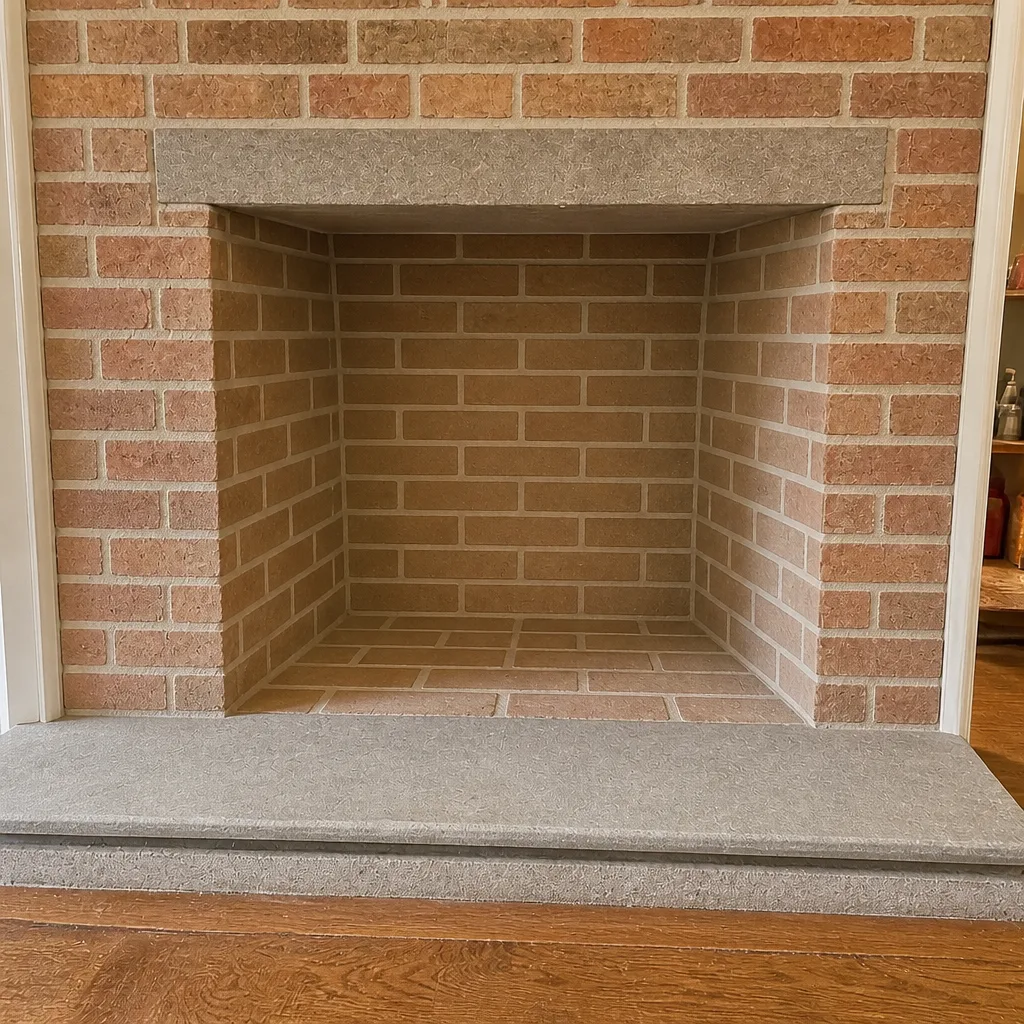
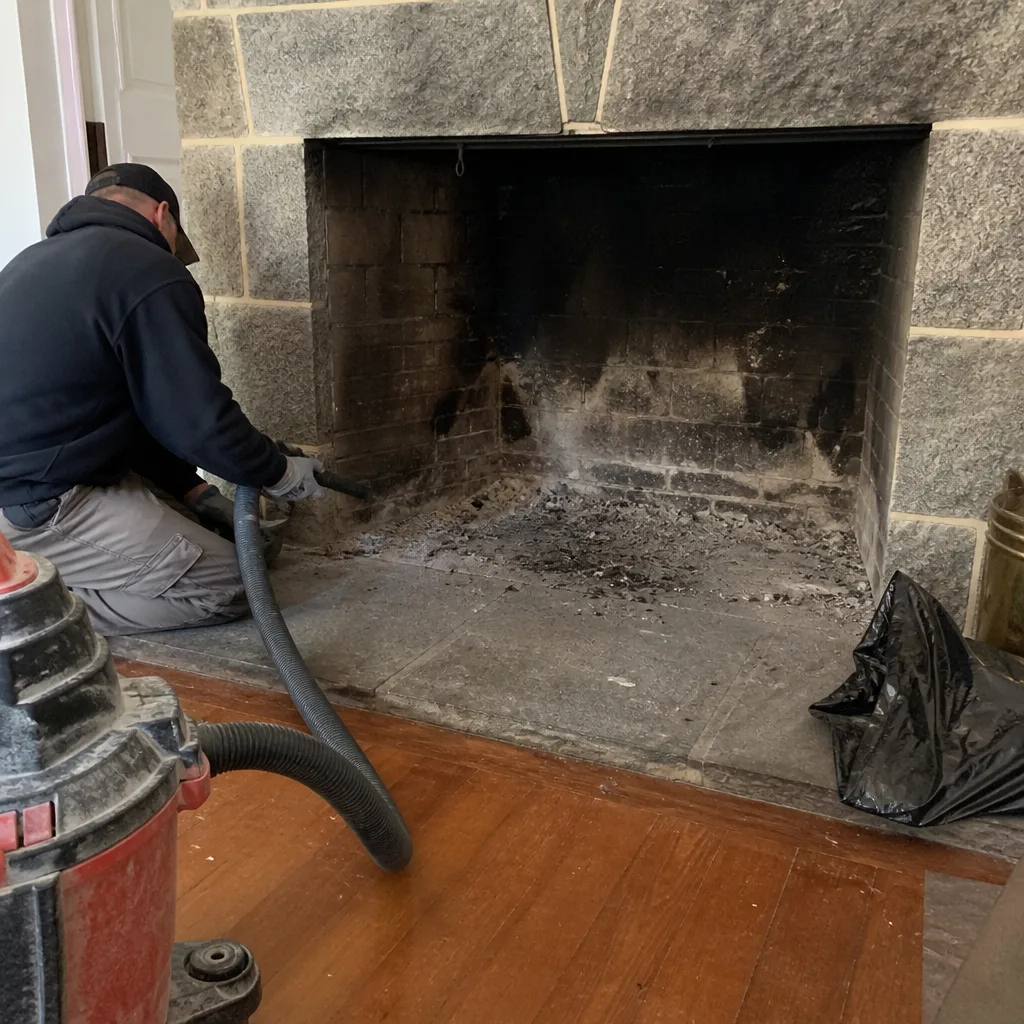
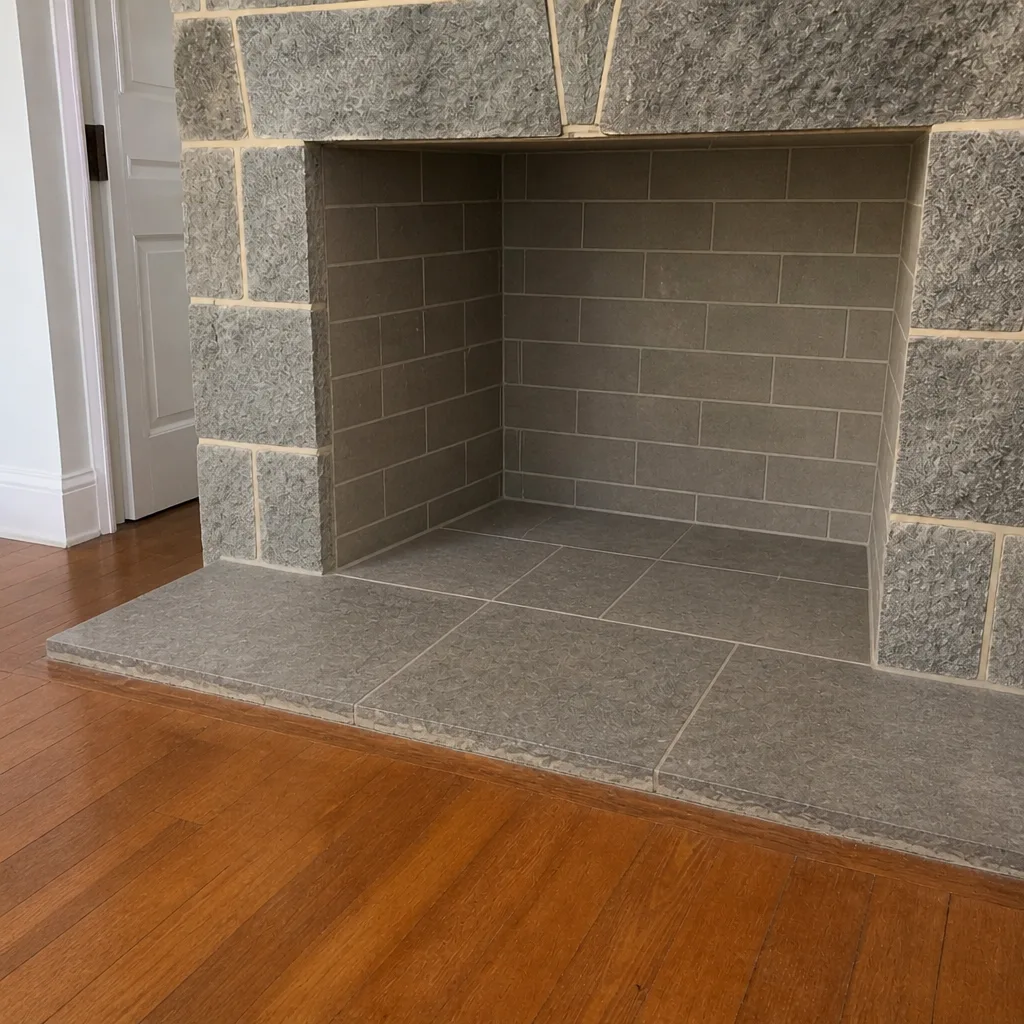
See the difference
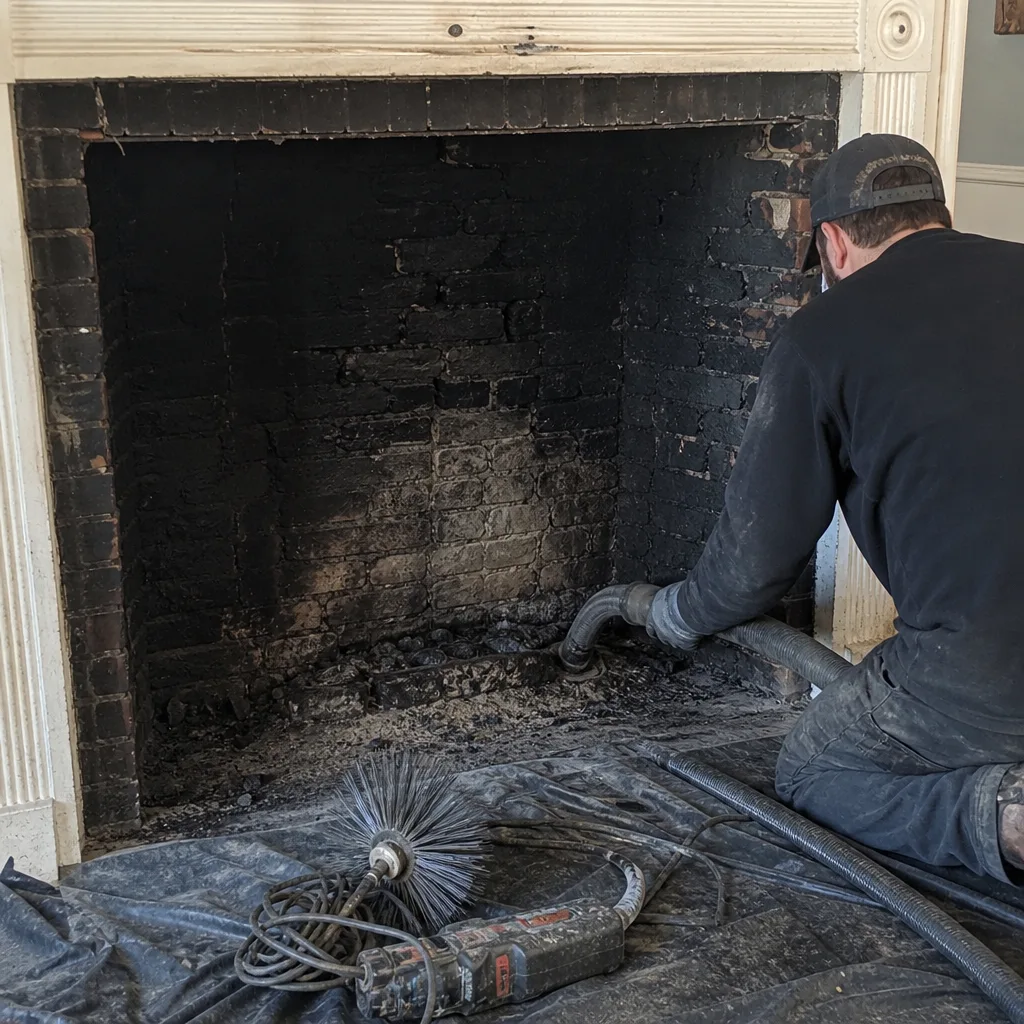 Before
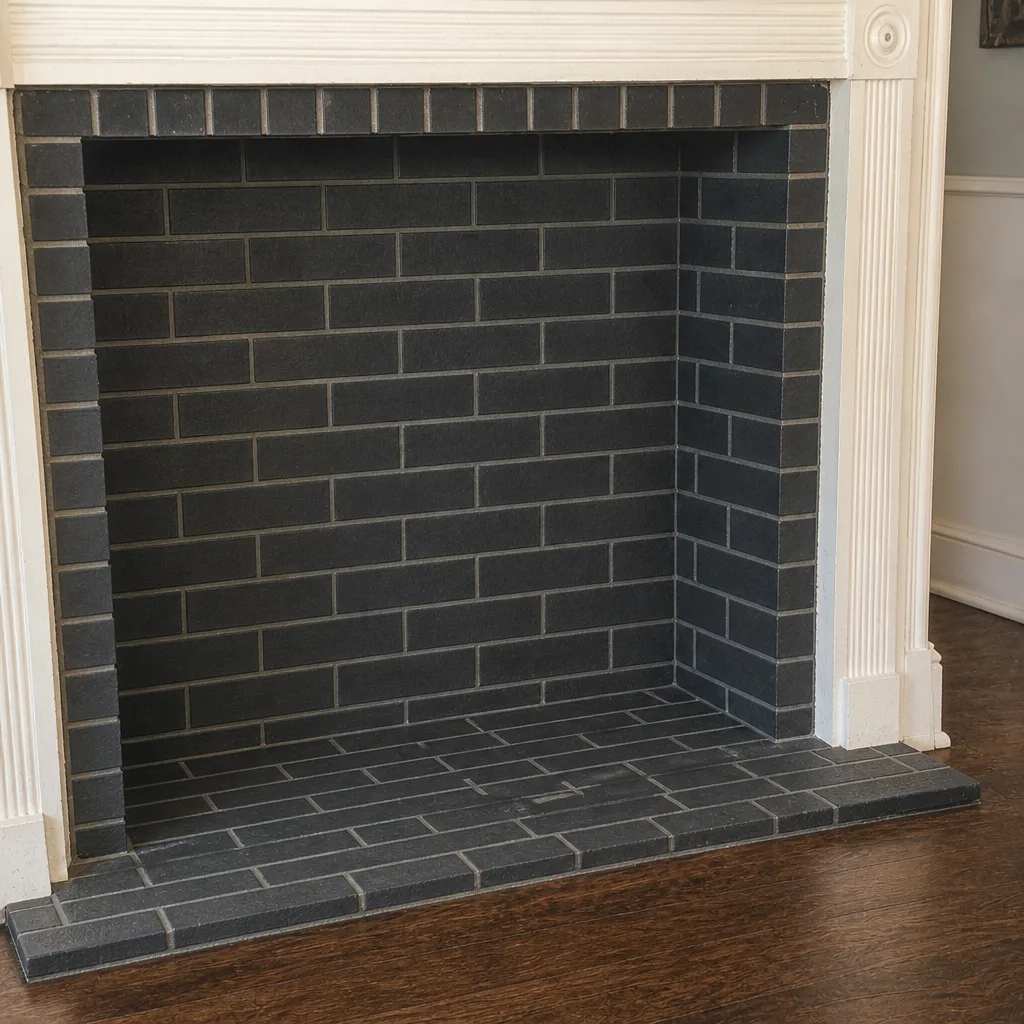 After
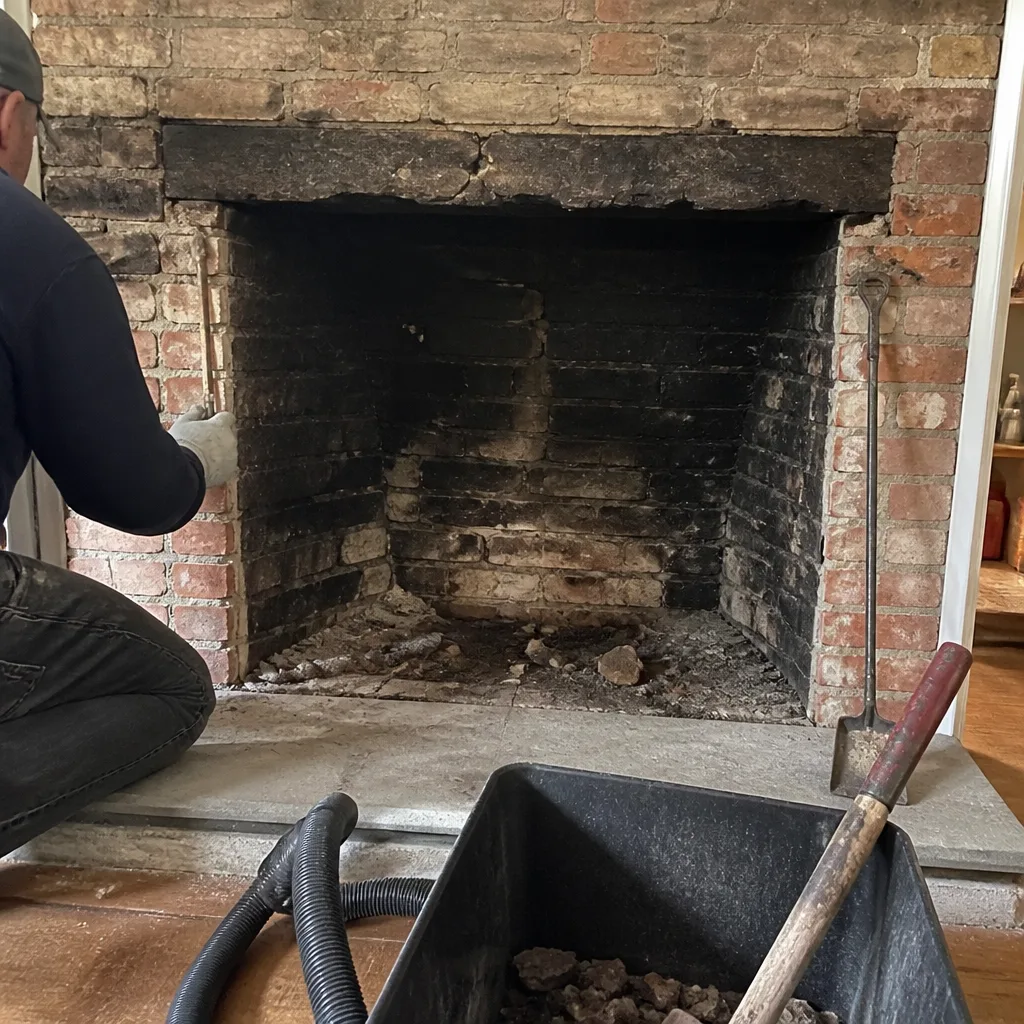 Before
 After
 Before
 After
When to Call a Professional
Call a chimney professional in Charlestown when the flue hasn’t been cleaned before the start of a burning season, when smoke backs into the room during a fire, when you notice a strong creosote smell in warm weather, or when a carbon monoxide alarm triggers near the fireplace with no other clear cause. Call when the chimney cap is missing or damaged and you’re seen birds or water entering the flue. Call when a previous inspection flagged a liner or crown issue and hasn’t been addressed. And call if a cleaning quote seems unusually low – a professional will walk through what’s included and why the other elements matter. From annual sweep to full liner replacement, one call covers it. Chimney Sweep Charlestown offers free estimates in Charlestown – call (877) 792-6155. We answer 24/7. Fast dispatch from 7am to 7pm, Sunday through Friday.
Our technicians have up to 13 years of experience, and we specify the right product for the job – DuraFlex, HeatShield, Copperfield – not whatever ships cheapest. Contractor-grade materials, properly installed, and a job that begins with a chimney sweep and ends with a written record of what we found.
Frequently Asked Questions
A standard chimney cleaning in Charlestown typically runs $185 to $320 in 2026 and should include a camera inspection and a written condition report, not just brush time. Difficult roofline access or heavy creosote can add $40 to $90 or more. Call (877) 792-6155 for an exact quote on your chimney – estimates are free.
Yes, a camera inspection is part of a proper cleaning because it’s the only way to see the inside of the flue – the liner joints, the tile condition, and any cracks a brush can’t reach. Without it, a serious condition can go undocumented until it becomes a fire hazard or a carbon monoxide problem. If a quote doesn’t include the camera, ask what the sweep is doing instead. Call (877) 792-6155 to book a sweep with inspection included.
A chimney should be swept at least once a year when it’s in active use, and more often if the appliance burns wood that produces heavy creosote. In Charlestown’s older rowhouses, where the flue may have clay tile joints that predate modern standards, an annual sweep and inspection is the baseline. Call (877) 792-6155 to schedule your next sweep.
Skipping a cleaning lets soot and creosote accumulate inside the flue, and creosote in sufficient quantity can ignite, causing a chimney fire that damages the liner and can spread into the structure. Soot and creosote also reduce flue performance, which can push smoke and carbon monoxide back into the living space. The risk builds quietly between cleanings. Call (877) 792-6155 for a free estimate before the next burning season.
The cheapest quote in a batch of estimates usually omits the camera inspection and the written report, which is why the number is lower – the job is smaller, not better value. That omission leaves you without a documented record of your flue’s condition, which is the finding that matters most. Ask each sweep what’s included in the price, line by line. Call (877) 792-6155 for an itemized estimate.
A cracked liner or failed crown becomes a repair scope, priced separately and shown to you in the camera footage before you commit. Liner repairs range from HeatShield ceramic resurfacing to a full DuraFlex stainless liner, depending on the flue; a crown repair or replacement is typically a smaller line item. Nothing is recommended without footage you can see. Call (877) 792-6155 to get the finding quoted and scheduled in the same visit.
The Bottom Line
Chimney cleaning in Charlestown costs what it costs because of what’s included: a sweep, a camera inspection, travel protection, and a written report. The cheapest quote in a batch is almost always the one that leaves out the parts that protect you, and the money you save there gets spent later on a repair that a camera would have caught early. Read each estimate line by line. Ask what’s in it. Ask to see the footage. If the answer is a clear explanation and a written record, you’re working with the right sweep – and if the inspection turns up a problem, a specialist who can quote and schedule the fix the same day is worth more than the lowest number on the page. From annual sweep to full liner replacement, one call covers it. Call (877) 792-6155. We answer 24/7. Fast dispatch from 7am to 7pm, Sunday through Friday.
Written by the team at Chimney Sweep Charlestown.